Tehran businesses brace for economic toll of renewed conflict
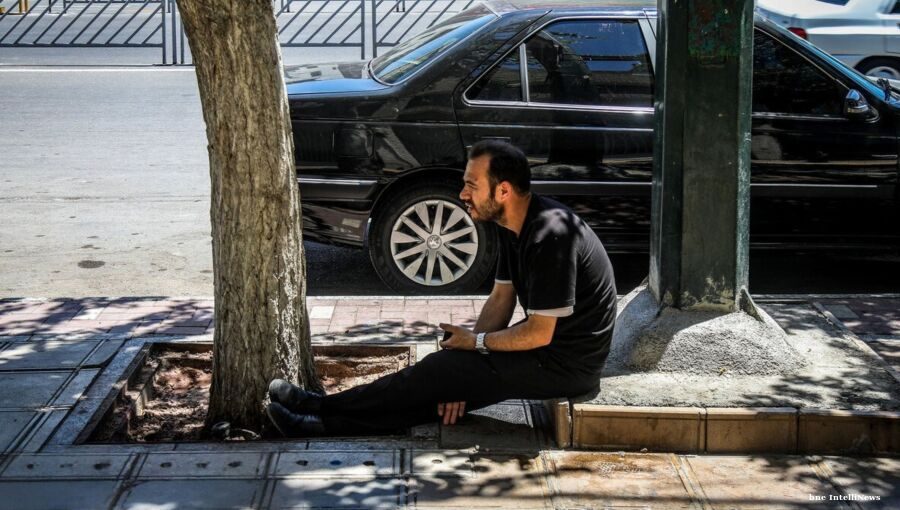
Tehran has returned to daily routine as conflict resumes, but pervasive anxiety over inflation and sanctions signals deepening risks for businesses and consumers.
Tehran has returned to its familiar rhythms. Traffic jams choke the streets, the metro is packed, and temporary security checkpoints on major highways have been removed. Yet as conflict resumes, the focus of residents and business owners has shifted decisively from military developments to economic survival.
More than a month of fighting earlier this year has drained the capital's emotional reserves. "The war has already taken enough from ordinary people," said Hossein, 33, whose relatives in southern Iran have endured repeated attacks. "People calling for more fighting don't have to live through what families there are going through."
For investors and executives tracking Iran, the prevailing sentiment in Tehran is a critical indicator of domestic pressure. Conversations across the capital now center on inflation, falling purchasing power and the soaring cost of rebuilding. Business owners are grappling with higher operational costs, while employees fear another surge in prices.
The economic anxiety is compounded by the geographic reality of the conflict. While Tehran has largely avoided the physical destruction, southern Iran faces frequent military strikes that have damaged homes, businesses and critical infrastructure. "The capital feels different from the south," one office worker said. "People here are trying to get on with life because they have no other choice."
Any prolonged escalation would place severe strain on an economy already buckling under heavy international sanctions and years of structural instability. Even those attempting to avoid political discussions acknowledge that a protracted war threatens to further erode consumer savings and corporate stability.
Recent state funeral ceremonies in Tehran highlighted the complexities of gauging public sentiment, with crowds described as "very large" by attendee Fatemeh. However, she noted that funerals in Iran carry deep religious and cultural significance, making it impossible to assume uniform political motivation among attendees.
Ultimately, the overriding priority for the workforce is financial endurance. "We've already lived through weeks of this once," said Maryam, an accountant. "Now people are just trying to keep working, look after their families and hope it doesn't get worse."
While the surface-level normalcy of Tehran's cafes and shopping centres suggests resilience, the underlying economic fatigue presents a fragile foundation. For markets, the immediate takeaway is that domestic tolerance for further economic shock is running thin.