US Crude Stocks Fall as Hormuz Disruption Risks $200 Oil
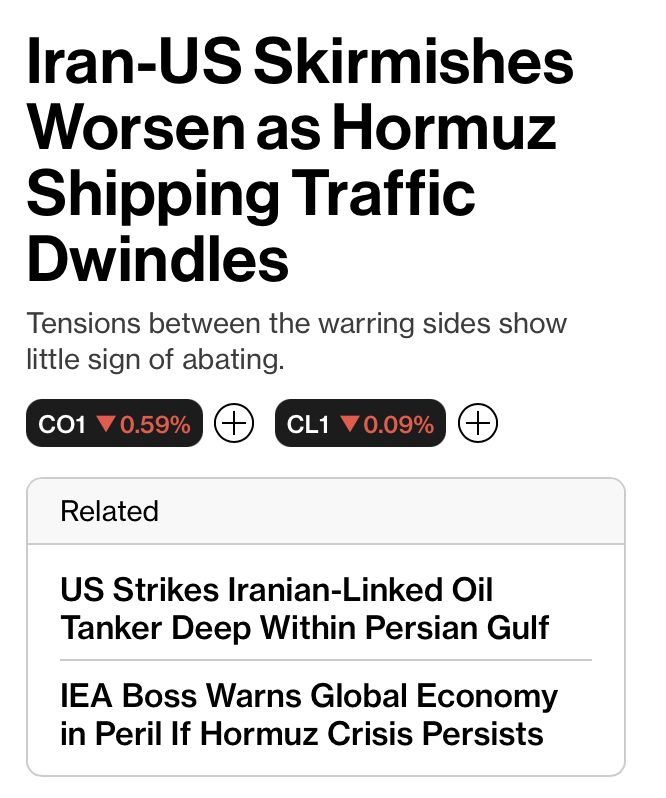
Ongoing Strait of Hormuz disruptions and a Russian diesel export ban are tightening US fuel supplies, pushing end-user costs above $140 a barrel and threatening further price spikes.
US commercial crude inventories fell by 1.7 million barrels last week, while the Strategic Petroleum Reserve released an additional 3 million barrels. This brings the cumulative post-war SPR drawdown to nearly 100 million barrels. Gasoline stocks dropped by 1.5 million barrels, pushing Gulf Coast inventories to their lowest level since 2017 amid peak summer driving demand.
Distillate inventories provided a rare bright spot, rising by 4.6 million barrels. However, this temporary relief masks a severe structural deficit in the refined products market. The US lacks sufficient heavy sour crude production to solve the problem internally, and global alternatives are shrinking rapidly. Russian diesel exports have fallen by 683,000 barrels per day compared to last year following a recent export halt.
Middle East Gulf diesel exports are down more than 520,000 barrels per day versus last year, a deficit expected to widen as Strait of Hormuz hostilities continue. The market is currently missing close to 10 million barrels per day from the Gulf. Analysts note that balancing this market could require end-user prices reaching $250 or more, with crude likely capturing around $220 of that total. End users are already paying over $140 per barrel due to record crack spreads.
The US theoretically has buffer room in the SPR, which stood at 316.5 million barrels on July 10 and could be drawn down to 150 million barrels in an emergency. Yet the projection of sustained high-level US air strikes is limited to a few weeks. Politically, the administration is facing friction, with both houses of Congress taking the unusual step of stalling the Pentagon-funding NDAA.
Further escalation remains a core risk for energy markets. Saudi Arabia and Kuwait have already forced the US to abandon a proposed Strait of Hormuz escort plan and a 20% toll on the waterway. Iran has threatened to expand the conflict to Fujairah and the Bab el-Mandeb strait if the US strikes civilian energy infrastructure. Such a move would directly threaten Saudi Arabia's Yanbu port, which has seen its throughput surge to over 4 million barrels per day from a pre-war level of 1 million, representing a critical share of the kingdom's roughly 7 million barrels per day in pre-war exports.
Despite these deeply bullish fundamentals, traders remain hesitant. Market models are reportedly calling for sustained high prices, but recent volatility has left investors reluctant to place aggressive long bets even as physical supplies tighten.