German Manufacturing Surges on Defence Orders as Services Sector Contracts
August purchasing managers surveys reveal German factory growth is heavily reliant on defence spending and precautionary stockpiling, signaling a potentially short-lived demand window for global exporters and complicating the European Central Bank’s monetary policy outlook.
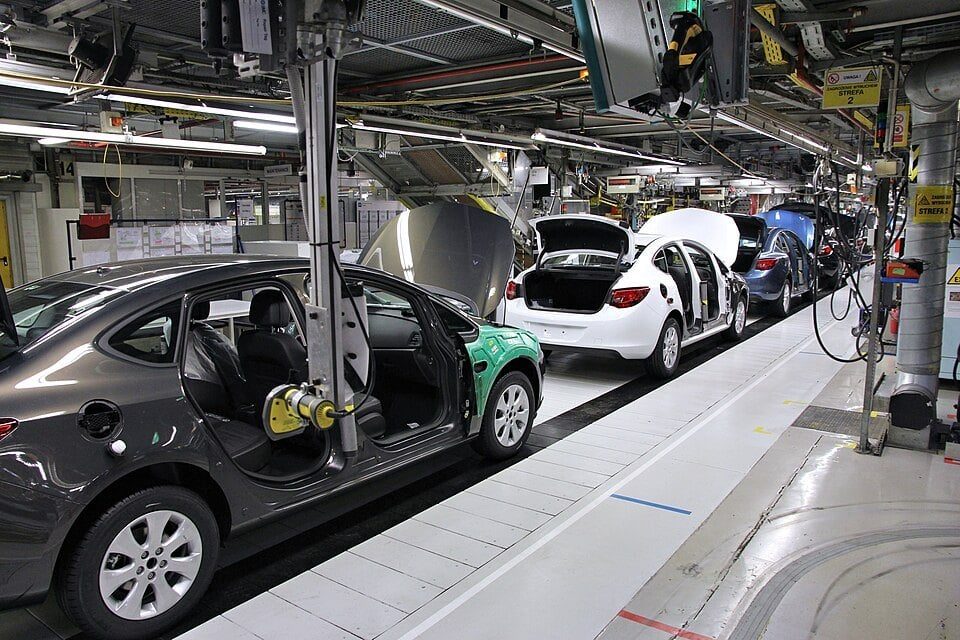
German manufacturing activity jumped to 54.1 in August, surpassing the 52.0 forecast and marking the fastest expansion since early 2022. However, this industrial strength masks a broader economic divergence, as the services sector contracted to 48.5 and the overall composite index slipped to 51.0.
Survey compilers attribute the factory revival to three specific factors: a catch-up effect following a weak second quarter, rising defence procurement, and precautionary inventory building amid ongoing supply disruptions. Rising demand for equipment tied to artificial intelligence also provided a notable boost to the industrial sector.
This composition matters significantly for global supply chains, particularly exporters of metals, energy, and food to Europe. The current demand for industrial inputs is genuine, but because a substantial portion relies on temporary stockpiling, the order cycle window may be shorter than headline figures suggest.
Meanwhile, the services sector, which employs the majority of the German workforce, is shrinking despite an increase in new business and employment. Firms are hiring in anticipation of future improvement rather than current confidence, highlighting a preparatory rather than robust economic disposition.
Beyond Germany, the broader 20-nation euro area composite reading reached a nine-month high of 52.1. New export business expanded for the first time in approximately four and a half years, supported by robust tourism spending across the region, even as the French private sector continued to contract.
In the United Kingdom, public sector net borrowing reached 1.8 billion pounds in July, exceeding the budget watchdog’s forecast by 2.3 billion pounds. Although year-to-date borrowing remains lower than the previous year, elevated fuel prices linked to the Gulf conflict and anticipated October utility bill increases continue to pressure households, contributing to a 0.5 percent drop in July retail sales.
These mixed signals present a complex backdrop for the European Central Bank. Analysts note that elevated price levels and returning job growth keep a further rate increase on the table.
The ECB raised its deposit rate to 2.25 percent in mid-June for the first time in three years and held it steady in July. Markets will now look to the Governing Council’s September 9 and 10 meeting in Berlin for guidance on whether this restrictive monetary stance will persist.