Emerging Market Currencies Stall as US Treasury Buyback Lift Fades

Emerging-market currencies traded mixed after investors dismissed the US Treasury’s expanded bond buyback plan as a temporary measure, triggering a dollar rebound that tested risk assets across Latin America and Asia.
Emerging-market currencies finished mixed on Thursday as the US dollar rebounded, erasing early gains sparked by the US Treasury’s bond buyback announcement. Market participants largely viewed the policy shift as a temporary intervention rather than a structural change.
Treasury Secretary Scott Bessent reinforced the strategy, stating that buybacks could exceed $4 billion per issue. Despite this commitment, the greenback index held in positive territory, exerting fresh pressure on risk-sensitive assets.
Latin American currencies bore the brunt of the dollar's resilience. The Colombian peso dropped 1 percent to become the worst performer in the region, while the Brazilian real slipped 0.3 percent.
South Africa’s rand also weakened against the dollar, reflecting cautious risk appetite. Broadly, the MSCI Emerging Market Currency index managed a marginal 0.1 percent gain only after end-of-day adjustments.
Market strategists expressed concern over the Treasury’s approach to debt management. Win Thin, chief economist at Bank of Nassau 1982, stated, “The Treasury should not be in the business of trying to flatten the yield curve.”
Thin questioned the timing of the announcement, adding, “I wonder whether Bessent played his hand too early. The markets now have a line in the sand that was drawn yesterday and they will surely test it.”
Asian Markets Diverge on Index News and Tech Gains
In Asia, foreign-exchange markets showed sharp divergence. Indonesia’s rupiah surged to its strongest level in two months against the dollar, supported by domestic equity strength.
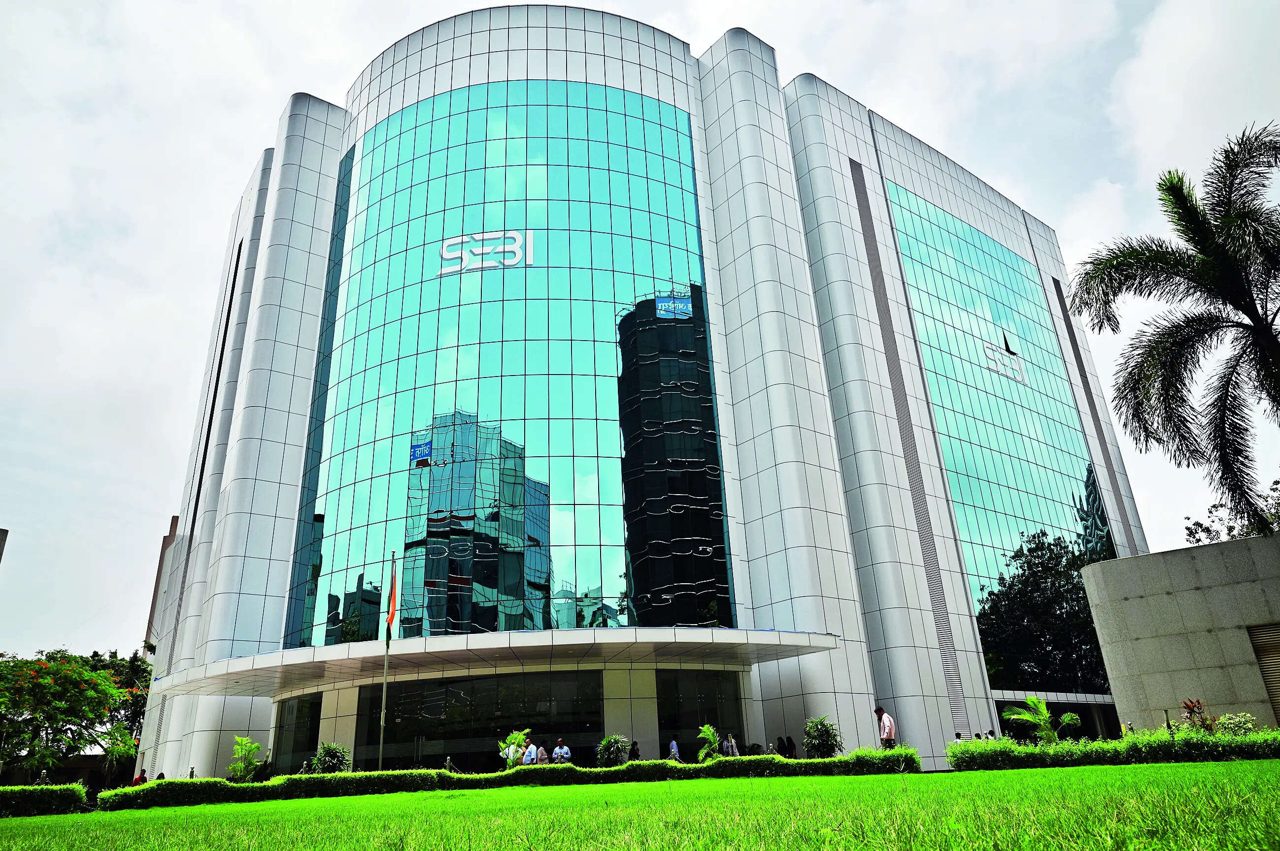
The Jakarta composite stock index ranked among the top global performers on Thursday. This rally was aided by FTSE Russell’s decision to defer stock index changes, removing an immediate equity-related headwind.
Commerzbank economists Henry Hao and Moses Lim noted that while FTSE might still reduce the weighting of limited free-float stocks in September, the current reprieve is significant. They observed that “the decision delays risk of a downgrade to frontier market status for now.”
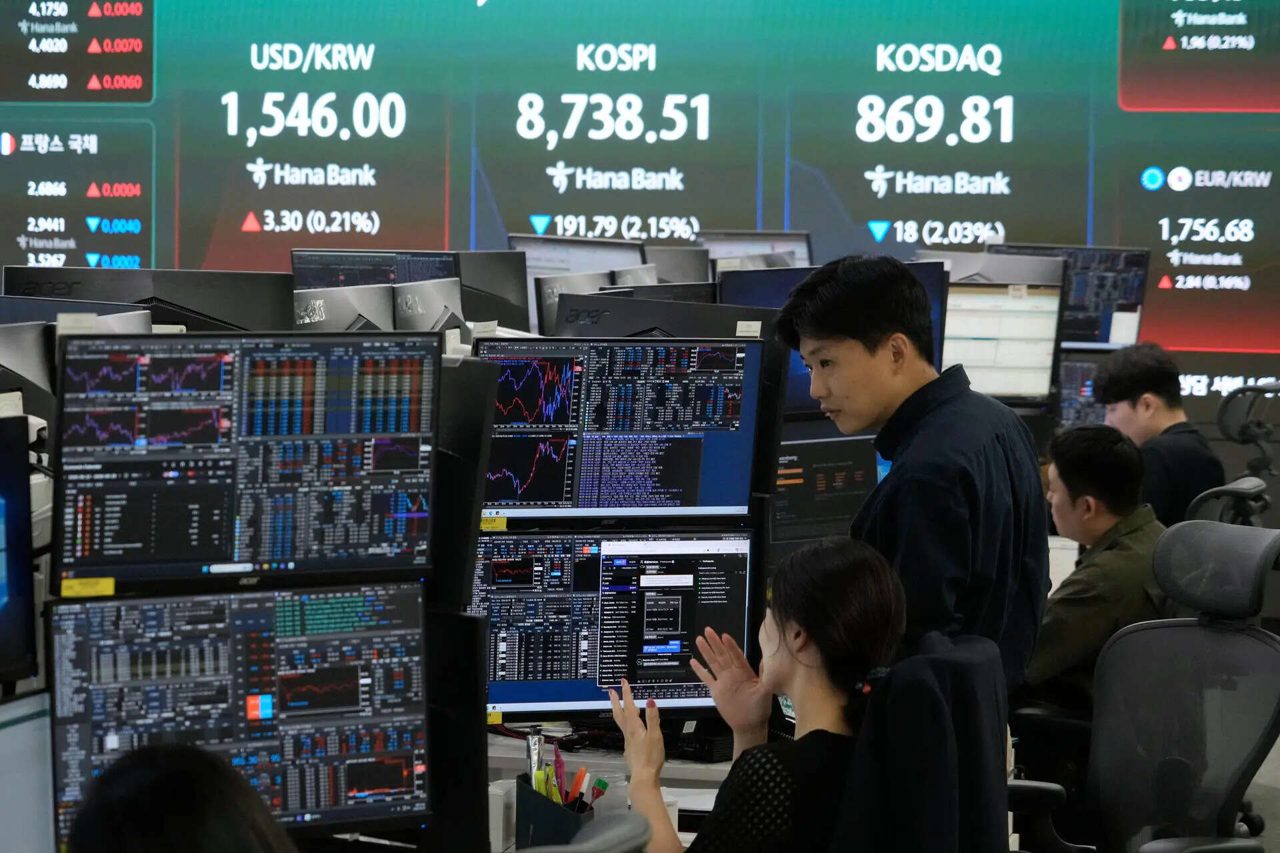
Conversely, the South Korean won ranked among the worst performers, pulling back after reaching an 11-month high in the prior session. However, the country’s equity market posted its first gain of the week, with the Kospi index recording its largest daily advance this month.
Regional equity gauges found support from major technology exporters. Samsung Electronics Co. and SK Hynix Inc. drove gains in the MSCI emerging market equity gauge.
Taiwan Semiconductor Manufacturing Co. also advanced, continuing to benefit from sustained demand in the artificial intelligence sector.