CFTC Panel Debates Prediction Market Rules as Self-Certification Draws Scrutiny
The Commodity Futures Trading Commission’s inaugural advisory committee meeting exposed sharp divisions between traditional exchanges and emerging prediction platforms over contract approvals and manipulation risks.
Federal regulators and industry leaders convened Thursday to address the rapid growth of prediction markets and the vulnerabilities embedded in their current regulatory framework. The Commodity Futures Trading Commission’s first Innovation Advisory Committee meeting focused heavily on the mechanics of event contracts and their susceptibility to exploitation.
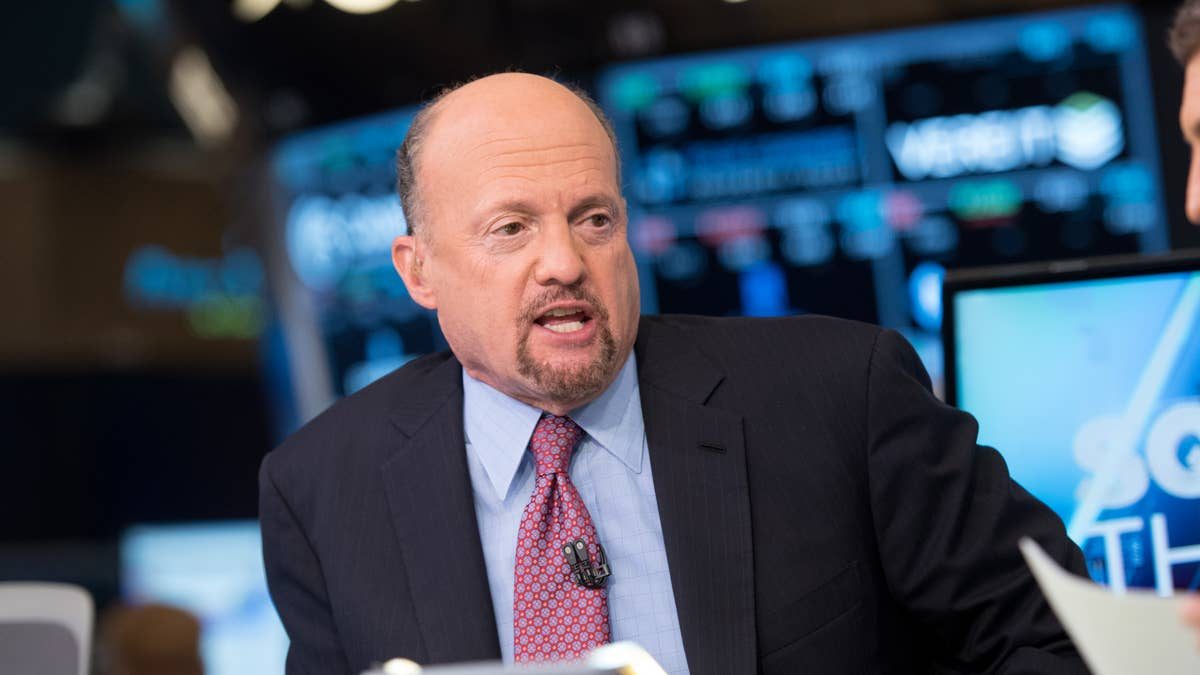
A central point of friction emerged over self-certification, a process allowing platforms to file and certify event contracts without prior agency approval. Terry Duffy, chair and chief executive of CME Group, warned that this expedited pathway leaves markets vulnerable to manipulation. Duffy stated, "There's been 2,500 self-certifications since this administration was taking office in January of 2025, of which none have been opposed," adding that many involve products violating core principles.
Kalshi co-founder Luana Lopes Lara defended the practice, arguing that rapid market deployment is essential for users tracking timely events. After she questioned whether CME has faced insider trading issues, Duffy sharply replied, "If you'd like to have a debate, I'm happy to have a debate with you." The exchange executive subsequently pointed to recent insider trading cases, including the April arrest of a U.S. soldier betting on the capture of Nicolás Maduro and a federal investigation into a teleprompter operator wagering on presidential statements.
Scrutiny also fell on "mention markets," where traders speculate on specific words being used during speeches or earnings calls. Robinhood chief executive Vlad Tenev joined the discussion, stopping short of demanding an outright ban but urging the agency to examine these products closely. Polymarket founder Shayne Coplan also attended the three-hour session alongside representatives from Nasdaq and other major financial institutions.
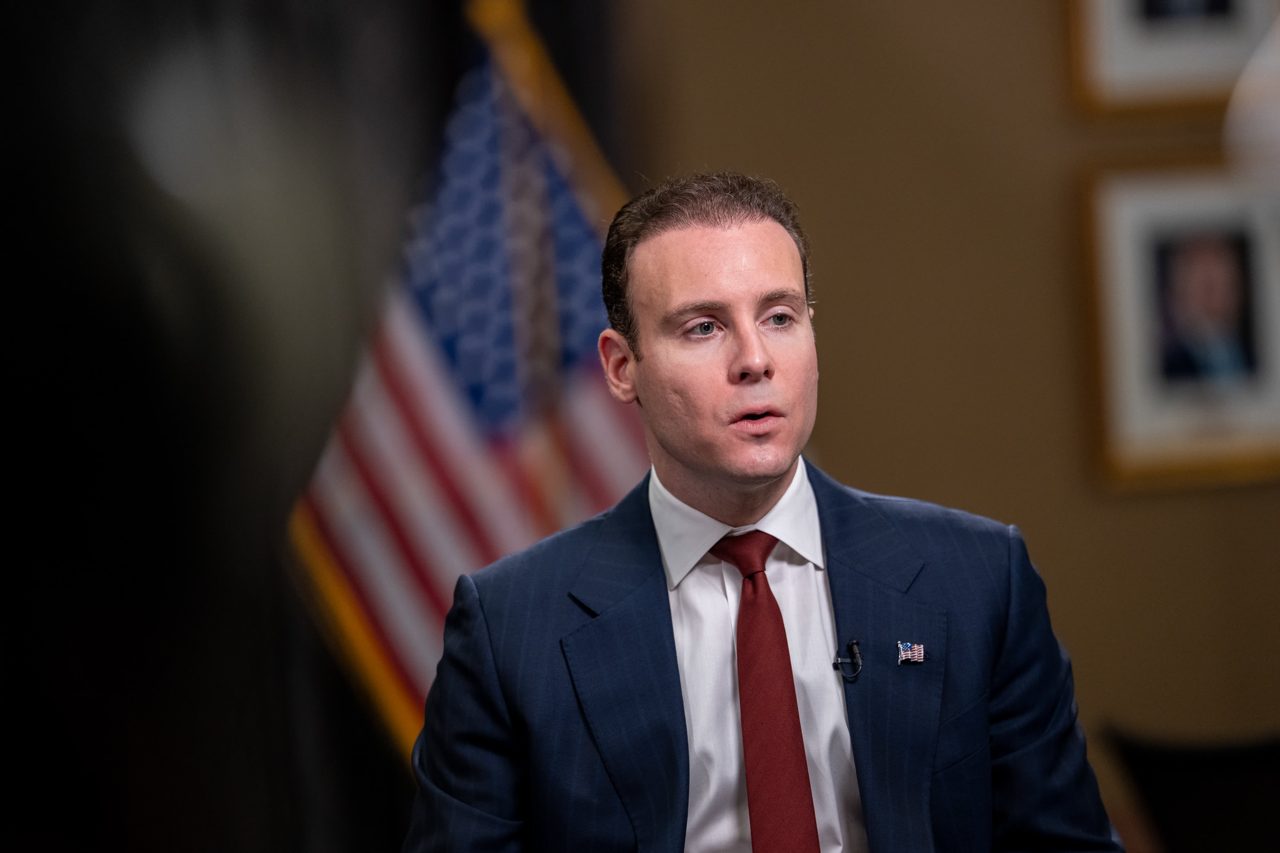
CFTC Chairman Michael Selig, currently the sole official on the five-member commission, outlined a three-part regulatory roadmap to bring clarity to the sector. He proposed amending rules to clearly define "gaming" and establish public interest criteria, warning that "contracts are at the risk of rejection based on arbitrary whims of political biases, and DCMs [designated contract markets] have been left operating in the dark."
The chairman’s broader strategy includes modernizing reporting frameworks for fully collateralized event contracts and strengthening consumer protection requirements for market operators. This federal push follows a Wednesday White House meeting with cryptocurrency leaders and Securities and Exchange Commission Chairman Paul Atkins.
Selig also used the occasion to defend the industry against state-level enforcement actions. He criticized New York Attorney General Letitia James for suing Kalshi in July as an illegal gambling operator, noting that the CFTC issued emergency authority in August to keep the platform operating in the state. Regulators aim to prevent rogue state actions from nullifying federal law and driving trading to unregulated foreign venues.