Argentina June Economic Activity Rises 0.8 Percent as Primary Sectors Lead

Argentina’s economic activity rebounded in June following two months of contraction, though analysts warn the growth remains unevenly distributed across labour-intensive sectors, complicating the outlook for broader domestic recovery.
Argentina’s monthly economic activity index rose 0.8 percent in June, breaking a two-month streak of declines and signaling a tentative recovery in the second quarter. The national statistics bureau reported that the index stood 2.7 percent higher than in June of the previous year, marking the second-strongest annual gain since March.
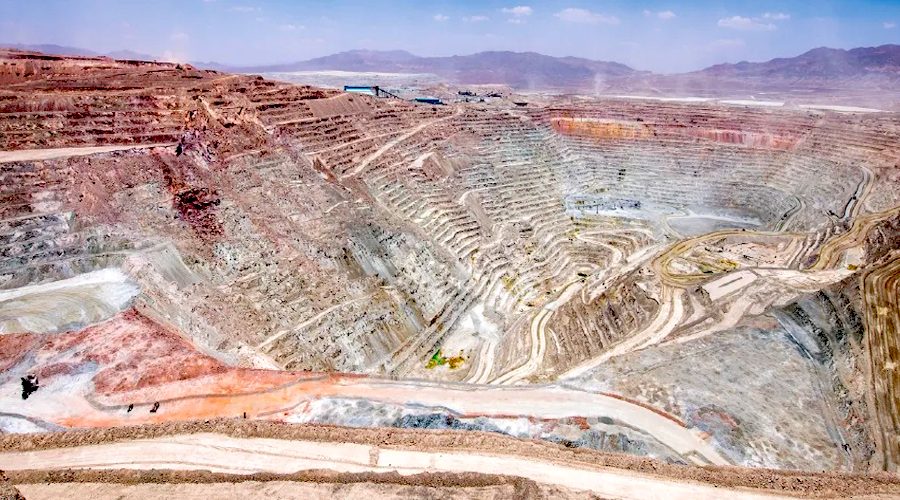
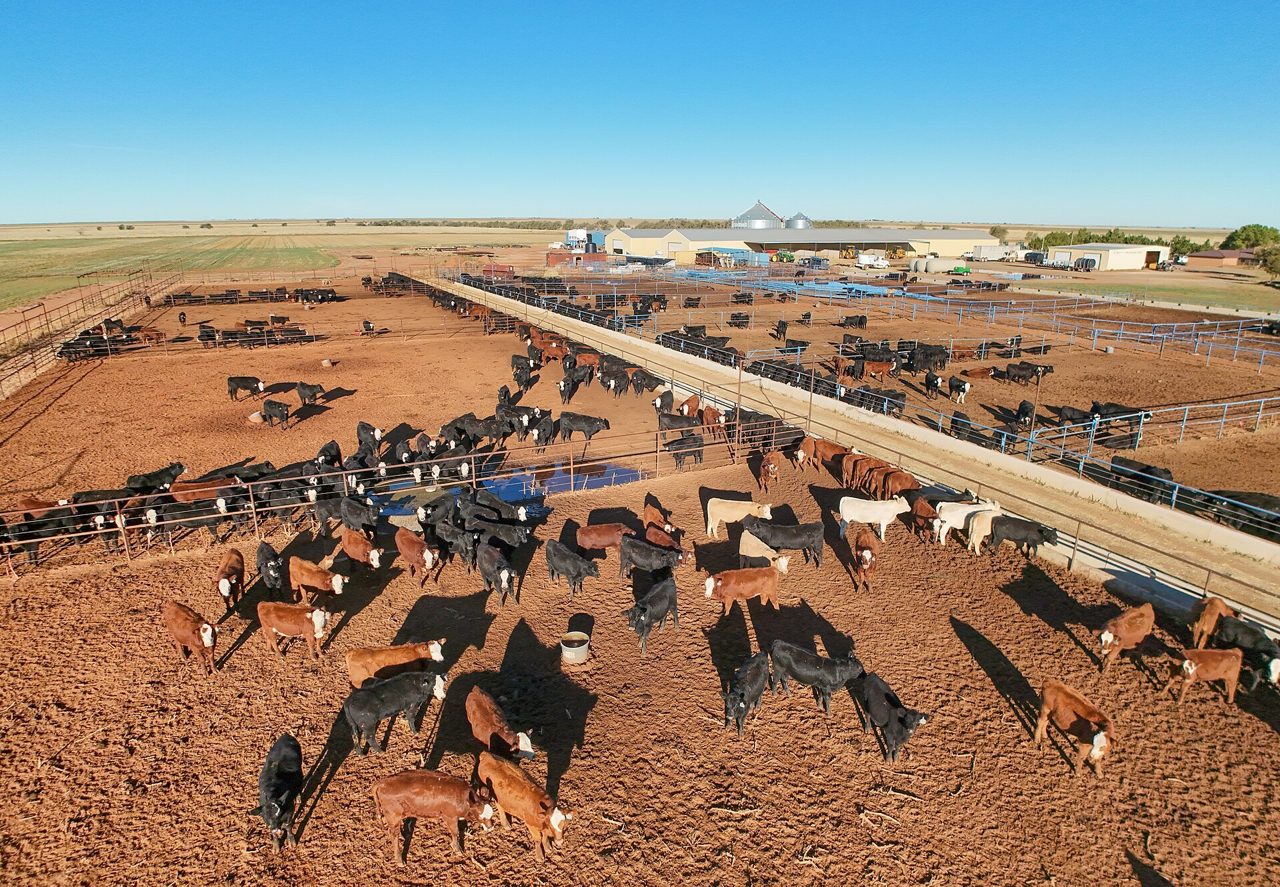
The rebound was heavily concentrated in primary industries. Mining output surged 15.6 percent year-on-year, while agriculture expanded by 4.6 percent, jointly contributing 1.1 percentage points to the overall index.
Broader economic segments showed modest improvements. Industry and commerce returned to positive territory with growth of 1.9 percent and 0.8 percent, respectively, and construction activity rose 2.8 percent annually.
Market professionals caution that this headline growth masks underlying structural imbalances. Sergio González, head of asset management at Cohen, highlighted that the primary sector’s outsized contribution obscures the sluggish performance of larger, more labour-intensive components of the economy.
González noted that industry, construction, and commerce account for the majority of registered private-sector employment. In contrast, mining is highly capital-intensive and generates relatively few jobs per unit of output, limiting the rebound’s impact on domestic consumption.
The month-on-month improvement also requires careful interpretation due to baseline adjustments. Diego Piccardo, chief economist at the Libertad y Progreso Foundation, pointed out that the statistics bureau revised down previous months’ levels, making the recent uptick less substantial than initial readings imply.
A statistical anomaly further skewed the June data. Fishing activity recorded a year-on-year spike exceeding 240 percent, driven entirely by a base effect following a labour dispute that halted maritime operations in June of the prior year. Despite the massive percentage gain, the sector added only 0.44 percentage points to the headline index.
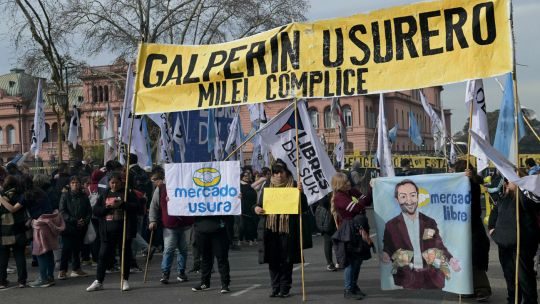
President Javier Milei celebrated the data on social media, stating that “economic activity is flying.” He further remarked that the figures would be poorly received by “corrupt, paid-off journalists and charlatans with economics credentials.”
For investors assessing the broader macroeconomic trajectory, the International Monetary Fund maintains a cautious stance. The fund projects Argentina’s gross domestic product will expand by 3.5 percent in 2026, a deceleration from the 4.4 percent growth recorded in 2025.