Colombia’s Trade Gap Nearly Doubled in June as Imports Surged
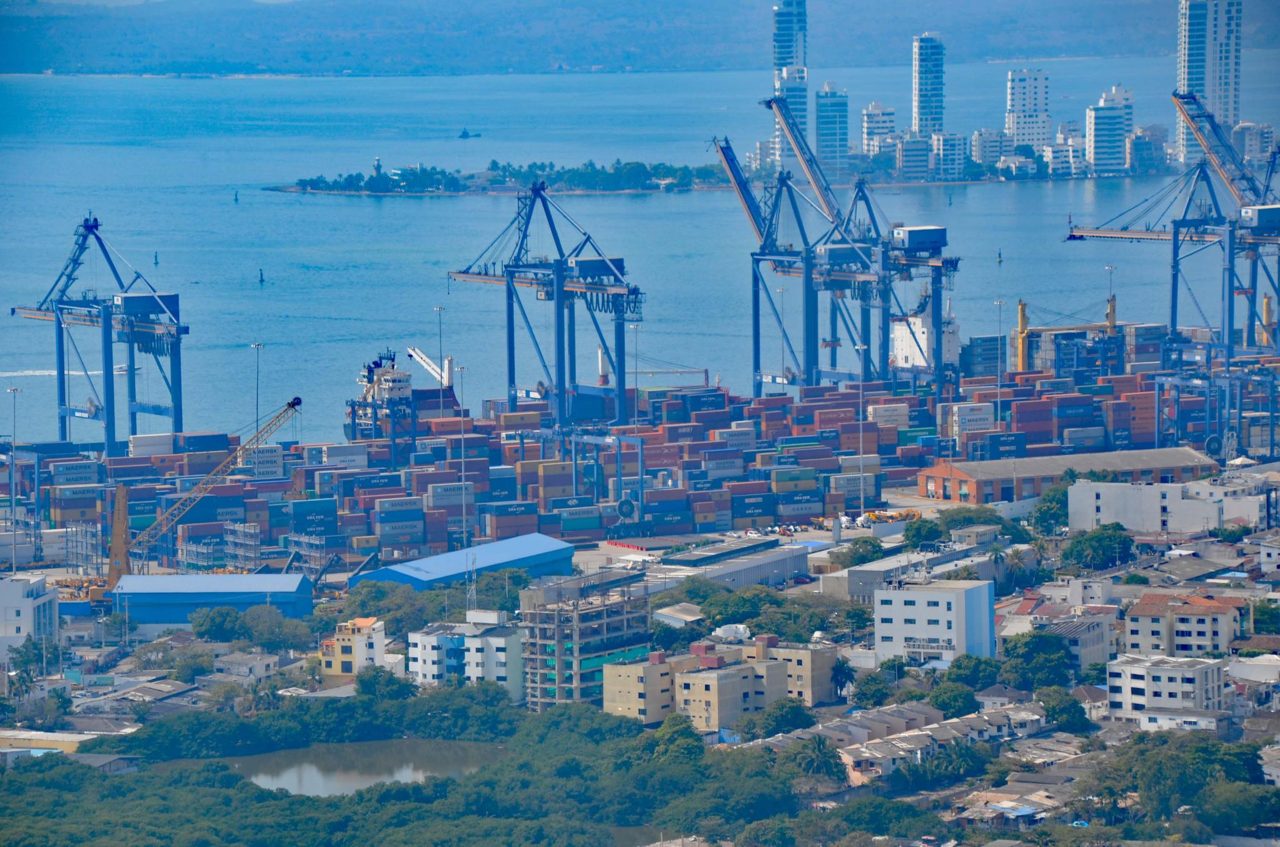
Imports rose more than a quarter against last June. Exports did not keep pace, and the monthly gap widened sharply. The post Colombia’s Trade Gap Nearly Doubled in June as Imports Surged appeared first on The Rio Times .
Colombia bought a lot more from the world in June than it sold to it. The gap almost doubled in a year.
Colombia’s monthly trade deficit reached US$2.161 billion in June 2026. Imports rose 26.4 percent against the same month last year.
DANE reported June imports of US$6,394.5 million and exports of US$4,233.5 million. The difference is US$2,161 million.
Imports were 26.4 percent higher than in June 2025. Some coverage rounded that to 27 percent.
The trade deficit almost doubled against the same month a year earlier. That is the framing used across the Colombian and international press.
These are monthly flows, not cumulative figures for the year.
Reuters carried the DANE release on 19 August 2026. A summary published on 20 August reported the same values.
The deficit is the balance for the single month of June, not the year to date.
Exports and the balance are reported FOB, meaning free on board. Imports in the same release are quoted CIF, which includes cost, insurance and freight.
That is standard statistical practice in Colombia and elsewhere. It also means the two sides are not measured on identical terms.
A CIF import figure includes shipping costs that an FOB export figure does not. The reported trade deficit therefore flatters neither side but does mix bases.
We are flagging it because comparisons across countries often assume both sides are the same.
Colombia is consistent about this from month to month. Comparisons over time within the Colombian series are therefore sound.
DANE’s monthly release breaks imports into manufactured goods, agricultural products and fuels. Manufactured goods dominate the total.
A 26.4 percent jump against a single month a year earlier is large. Base effects matter, because June 2025 was itself a weak month.
Domestic demand in Colombia has held up better than forecasters expected. Consumer credit and imports tend to move together.
None of that tells you whether the pace continues into July.
Machinery, vehicles and industrial inputs are the usual swing items. A one-off aircraft or turbine purchase can move a monthly total.
DANE does not flag such items separately in the headline release.
Colombia’s export basket remains concentrated in oil, coal and coffee. All three are priced in dollars and move with world markets rather than with domestic effort.
Coal exports have faced policy friction this year, including a draft decree on shipments to Israel. Oil output has been broadly flat.
Coffee prices have been strong, which helps, but coffee is a small share of the total. It cannot offset energy.
That structure is why Colombia’s trade deficit widens whenever domestic demand recovers.
Colombia’s June exports of US$4,233.5 million were not weak in absolute terms. They simply did not grow the way imports did.
The trade deficit is a gap between two moving numbers, not a fall in one of them.
A country importing more than it exports needs foreign currency to settle the difference. All else equal, that pushes the local currency down.
In practice, capital flows matter more than trade flows month to month. Foreign portfolio investment can offset a wide trade gap for a long time.
The peso has been comparatively stable through 2026. A single month’s deficit does not change that.
Colombia also runs a services deficit and receives substantial remittances. Both sit outside the goods trade figure.
The full current account is the number economists actually watch.
If you earn in dollars and spend in pesos, a widening trade deficit is mildly in your favour over time. It points towards a weaker peso.
If you are paid in pesos, the same logic runs the other way. Imported goods get more expensive first.
Neither effect is fast. Currency moves respond to interest rates and politics well before they respond to a monthly trade release.
The practical use of this number is as a trend, not a trading signal.
Anyone importing goods personally will feel it sooner. Freight and customs values follow the dollar closely.
Argentina reported record consumer goods imports of US$5.4 billion this month. Several Latin American economies are importing more as demand recovers.
Colombia’s case is distinctive because its export base is so concentrated. Countries with broader manufacturing bases absorb import surges more easily.
Mexico and Brazil both have larger industrial sectors to offset the imports. Colombia does not.
That is a structural point rather than a comment on this month.
The common thread across the region is recovering domestic demand. That shows up as imports before it shows up as growth.



