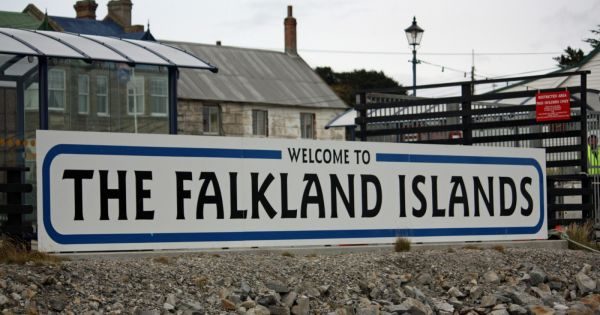
Falkland Islands Suspends Residence Permits Ahead of Oil Sector Expansion
The one-year pause on new permanent residency applications introduces labor market uncertainty just as the territory prepares for major hydrocarbon development at the Sea Lion field.
The Falkland Islands Government has suspended new Permanent Residence Permit (PRP) applications for one year to conduct a comprehensive review of the immigration scheme. The pause, effective from July and August, will not affect applications already in process.
This policy shift arrives as the territory braces for significant hydrocarbon production at the Sea Lion field, a project expected to drive heavy demand for skilled labor. The local labor pool is inherently constrained, with the 2021 census recording a total population of approximately 3,660. Currently, only 331 residents hold PRPs, alongside 770 work permit holders and 49 with older residence permits.
Executive Council member Lewis Clifton described the suspension as a "sensible and strategic necessity" to address changed frames of reference since the policy's 2021 introduction. He stated the government is focused on "rationalizing its previous spending and disbursement policy" amid identified weaknesses in the points system.
He noted that some applicants earn below tax thresholds, access disproportionate housing advantages, or qualify for pension benefits with only two years of contributions. Clifton emphasized that a sustainable framework must protect finite government resources, including housing, medical services, and education.
Housing availability remains the primary logistical bottleneck for new residents. Legislative Assembly member Michael Goss noted that the current market cannot easily absorb an influx of new PRP holders seeking homes. Consequently, the government aims to prioritize retaining workers already on local contracts, avoiding changes to the work permit system that Goss warned might prove "counterproductive".
The decision has faced internal opposition regarding its alignment with broader economic goals. During a late July assembly session, MLAs Stacy Bragger and Dean Dent opposed the measure. They argued that transitioning workers to permanent residency is "of benefit to both the government and the community," as outlined in the Islands' Workforce Strategy Implementation Plan.
Critics of the pause highlight that most PRP applicants already reside in the territory, meaning any strain on public services is already being absorbed. Furthermore, legislative leaders have acknowledged that the current workforce strategy may not be fully aligned with the objectives of this immigration review. This misalignment leaves long-term labor planning for the Sea Lion oil project in a state of uncertainty.