US Shale Producers Cut Capital Spending Amid Global Oil Market Deficit
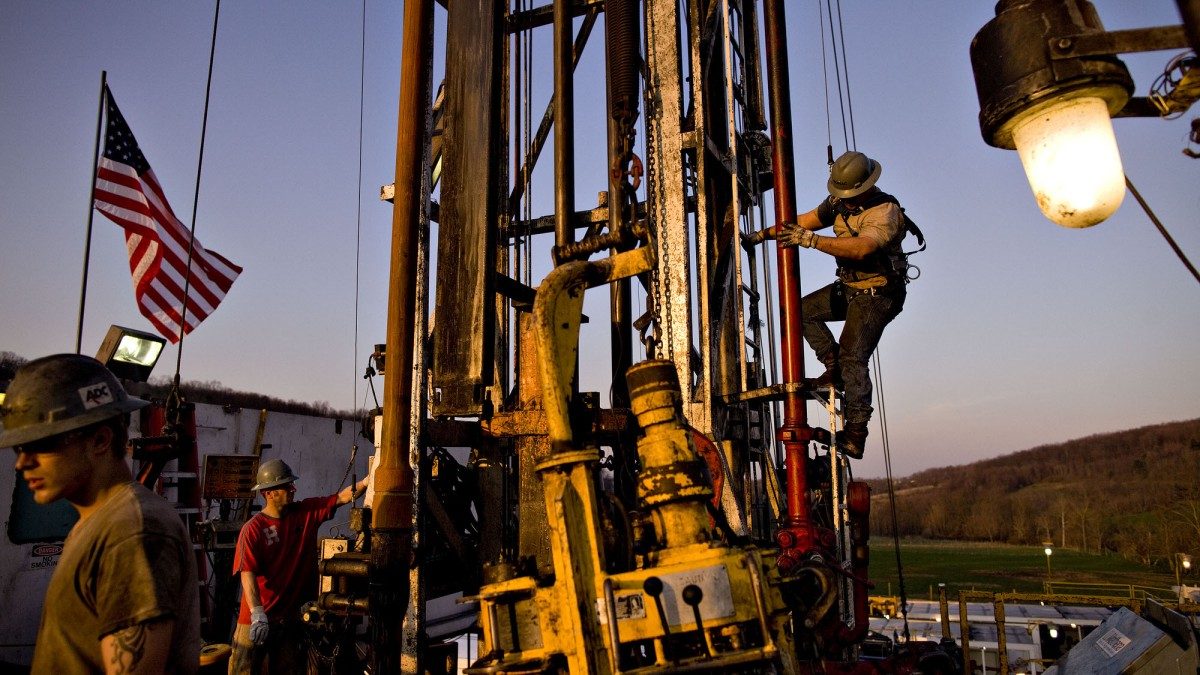
Major US shale oil companies are reducing capital expenditures to prioritize debt reduction and shareholder returns, signaling a structural shift that threatens to constrain global supply amid an impending market deficit.
Major US shale oil producers are actively reducing capital expenditures despite elevated international oil prices. Companies including Chevron and ConocoPhillips cut spending by 10 percent in the first half of the year, while Occidental reduced its Permian basin operational spending by up to 20 percent. Independent drillers such as APA Corp, HighPeak Energy, and Matador have adopted similar fiscal restraint.
This capital discipline comes as the International Energy Agency warns the global oil market is approaching a daily deficit of 1.8 million barrels. Historically, such supply crunches and higher prices would trigger aggressive drilling campaigns to capture market share. Instead, the industry has permanently shifted its focus toward balance sheet repair and shareholder returns over volume growth.
Consequently, US production growth is decelerating. The Energy Information Administration reports that US crude output reached 13.714 million barrels per day in May. However, this year’s average daily production is forecast at just 13.8 million barrels per day, representing a modest increase of 200,000 barrels per day from a year ago.
This trajectory marks a stark contrast to the sector's historical output surges. Between late 2016 and early 2020, US production grew by over 4 million barrels per day, excluding pandemic-related demand destruction. From 2020 to May 2026, total growth has slowed to 2.5 million barrels per day, with recent monthly averages trailing behind figures seen in late 2025.
Structural and Geological Headwinds
The reluctance to ramp up drilling persists even amid geopolitical tensions in the Middle East and potential supply route disruptions. Executives are no longer willing to burn cash and accumulate debt to squeeze marginal volumes from shale rock. The era of growth at any cost has been replaced by strict capital allocation frameworks.
Geological realities further complicate any rapid supply response. Shale wells deplete significantly faster than conventional fields, demanding continuous and capital-intensive drilling just to maintain baseline output. Enverus estimated in 2024 that shale well productivity had already declined by approximately 15 percent.
While drillers have partially offset these declines through longer lateral wells and operational efficiencies, the limits of these gains are now visible. For investors and global energy markets, the message is clear: US shale will no longer act as the automatic swing producer to resolve global supply shortages.