Japan second-quarter GDP grows 1.1%, missing forecasts on soft domestic demand
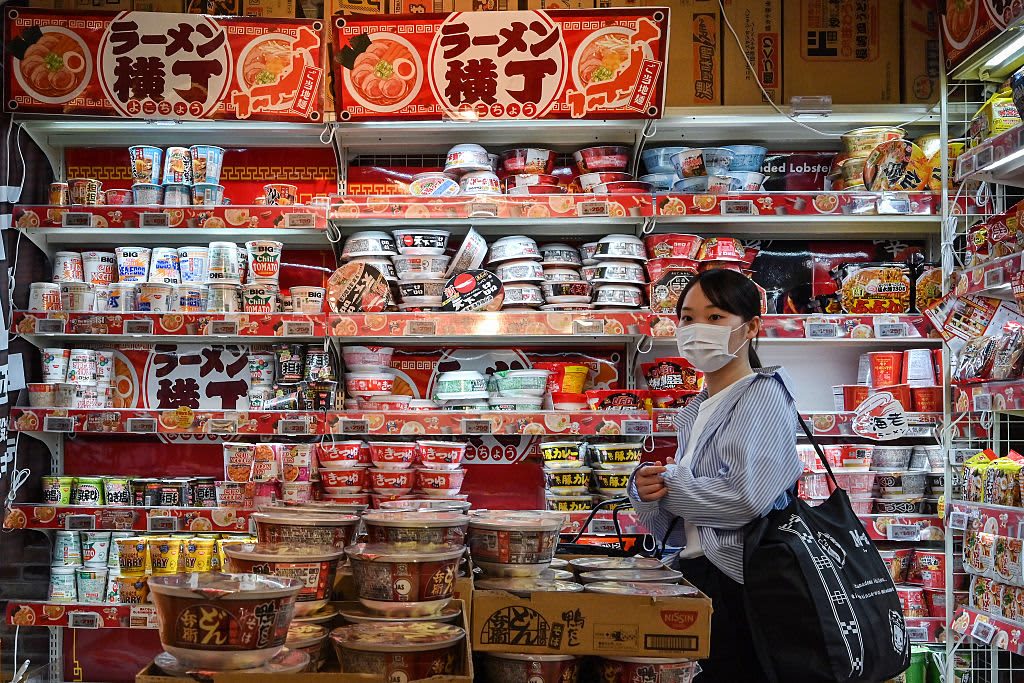
Japan’s economy expanded at a slower-than-expected 1.1% annualized rate in the second quarter, highlighting the vulnerability of domestic consumption to surging energy costs even as a weak currency bolsters export revenues.
Japan’s gross domestic product expanded 1.1% on an annualized basis in the second quarter. The figure missed market expectations for 2% growth and marked a deceleration from the 2.1% expansion recorded in the previous quarter.
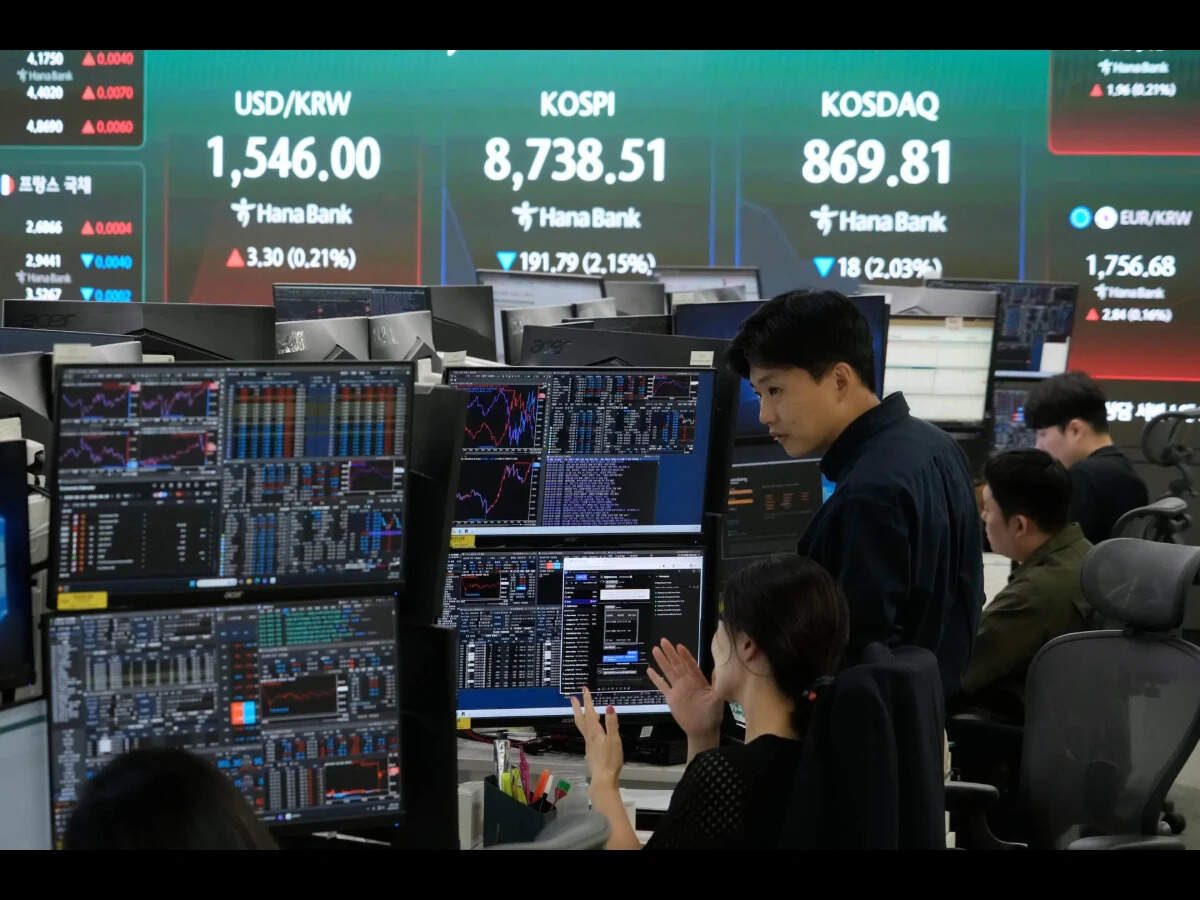
The data release prompted a modest rally in equities, with the Nikkei 225 index rising 0.43%. The benchmark 10-year Japanese Government Bond yield held at 2.88%, while the yen strengthened slightly against the US dollar to trade at 159.1.
A sharp divergence between external and internal demand drove the quarter's performance. Exports served as the primary engine for growth, beating forecasts across all three months of the period. However, this was largely facilitated by a historically weak yen rather than a surge in actual shipment volumes.
Conversely, domestic demand remained soft. This quarter was the first to fully capture the economic fallout from the Iran war, which has forced businesses and households to absorb significantly higher energy prices.
The Bank of Japan, which earlier this month marginally raised its gross domestic product growth forecast for the fiscal year ending March 2027 to 0.6% from 0.5%, acknowledged these headwinds. The central bank stated that the nation's economy is expected to continue growing moderately, albeit at a decelerated rate, specifically citing elevated crude oil prices stemming from the Middle East conflict.
Despite the energy shock, policymakers expect targeted government measures to shield households from the worst of the price increases. Furthermore, global demand for artificial intelligence infrastructure is providing a secondary tailwind for Japanese manufacturers heavily integrated into the global semiconductor supply chain.
While the sequential slowdown is notable, the year-on-year picture shows a degree of stabilization. The economy expanded 0.7% compared to the same period last year, up from 0.5% in the first quarter, suggesting that the broader macroeconomic trajectory remains positive despite near-term geopolitical shocks.