UK saver inertia costs £12bn a year as banks dangle £220 switching bonuses
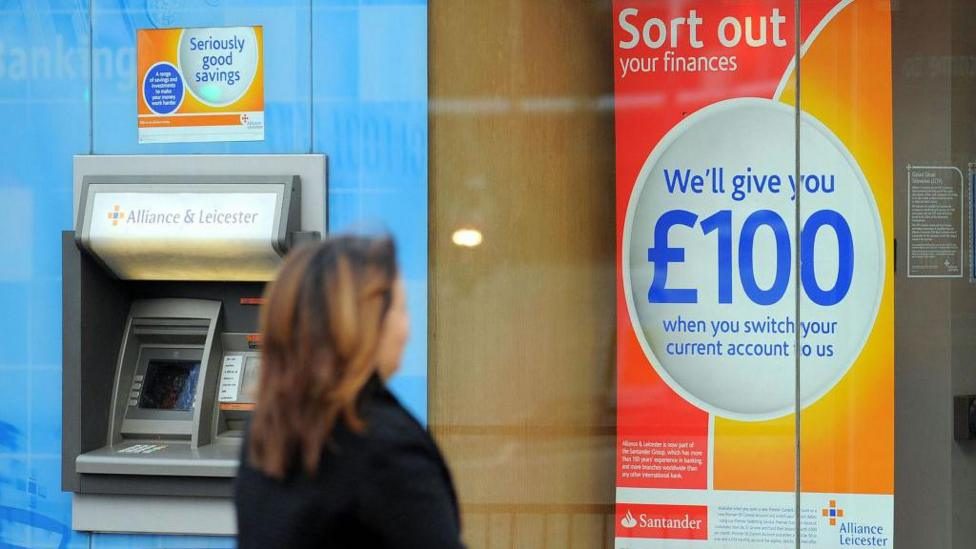
Hargreaves Lansdown research shows nearly two-thirds of British savers have not changed bank in over a decade, handing incumbents a cheap deposit base worth billions in foregone interest.
More than five UK banks are currently paying customers to switch current accounts, with the largest incentive reaching £220, as lenders compete for deposits in a market where customer loyalty remains stubbornly high.
New research from Hargreaves Lansdown, based on a survey of 3,000 British adults conducted in August, found that almost two-thirds of savers have stayed with the same bank for more than ten years. Only 34% moved their money in the past 12 months.
The platform estimates that this inertia costs British savers roughly £12bn in missed interest annually, a figure derived from Financial Conduct Authority data. For the banks on the receiving end of that loyalty, the benefit is a large, low-cost deposit base that requires little active retention spending.
Simon Belsham, Hargreaves Lansdown's chief client officer, said doing nothing "often leads to poor returns." He added: "Millions leave their cash with the same bank by default and that inertia is worth a fortune to banks, while costing British savers billions of pounds a year."
A captive audience worth paying for
Sarah Coles, head of personal finance at AJ Bell, noted that customers are "incredibly loyal" to their bank, which is precisely why rivals must offer cash sweeteners to break the habit.
"It's worth it for the banks, because they then have a captive audience, who are more likely to take other products from them," Coles said. In effect, a £220 acquisition cost is cheap if it locks in a mortgage, credit card or investment relationship further down the line.
Coles cautioned that the bonus should be the "cherry on top" rather than the sole reason to move, urging savers to weigh service quality, overdraft charges and the ongoing savings rate alongside any upfront payment.
Practical frictions remain
Most switching deals carry conditions, typically requiring a minimum monthly pay-in or a set number of direct debits within the first weeks. The process itself runs through the free Current Account Switch Service, which more than 50 UK banks and building societies support. A switch takes seven working days and transfers direct debits, standing orders and the balance automatically, with the old account closed and incoming payments redirected.
However, recurring card payments such as subscriptions must be moved manually, and old bank statements become inaccessible once the account shuts.
Switching also leaves a mark on a credit file. Coles advised: "If you're planning to apply for a loan or mortgage in the next 12 months, you may want to wait until the deal is done." Opening several accounts in quick succession can dent a credit record, though closing an old account may offset some of that effect.
For retail banking analysts, the persistence of a £12bn annual inertia gap suggests that switching incentives, however headline-grabbing, have done little to alter the underlying competitive structure. Incumbents continue to profit from default behaviour, and the cost of acquisition remains far below the lifetime value of a sticky deposit customer.