US investigators narrow Walter fraud probe to four loan intermediaries
Federal prosecutors and the SEC have zeroed in on four entities that channelled billions in insurance-company loans across Mark Walter's Guggenheim empire, sharpening a fraud inquiry that carries implications for one of the largest independent asset managers in the US.
US federal investigators examining Guggenheim Partners chief executive Mark Walter have concentrated their fraud inquiry on four intermediaries that facilitated loans between insurance companies Walter controls and other businesses within his sprawling corporate network, according to a Wall Street Journal report published Saturday.
The four entities now at the centre of the probe are Miami-based ABS Capital, investment firm Amistad Financial, commercial real estate broker Bradford Allen and Hudson Trading. Federal prosecutors and the Securities and Exchange Commission are assessing whether Walter or companies under his control concealed financial ties while borrowing billions of dollars from his own insurers.
The narrowing of focus marks a significant step in an investigation that has been running for some time. Bloomberg News had previously reported on prosecutors' inquiries into Hudson Trading specifically, but the identification of all four intermediaries suggests investigators have mapped out the plumbing through which capital moved inside Walter's conglomerate.
Why the structure matters
At the heart of the case is a question that resonates well beyond one executive: whether the layers of intermediation between an insurer and a borrower served a legitimate commercial purpose, or whether they were designed to obscure related-party lending from regulators and policyholders.
Insurance companies are subject to strict rules governing how they deploy premiums, precisely because policyholders and state regulators rely on those assets remaining secure. If billions were effectively lent back into the sponsor's own ventures through opaque channels, the arrangement would raise serious questions about solvency disclosures and fiduciary duty.
For investors in Guggenheim-managed funds and counterparties to its insurance arms, the investigation introduces a governance risk that is difficult to price until the SEC or the Department of Justice makes its next move public.
A wide-reaching empire
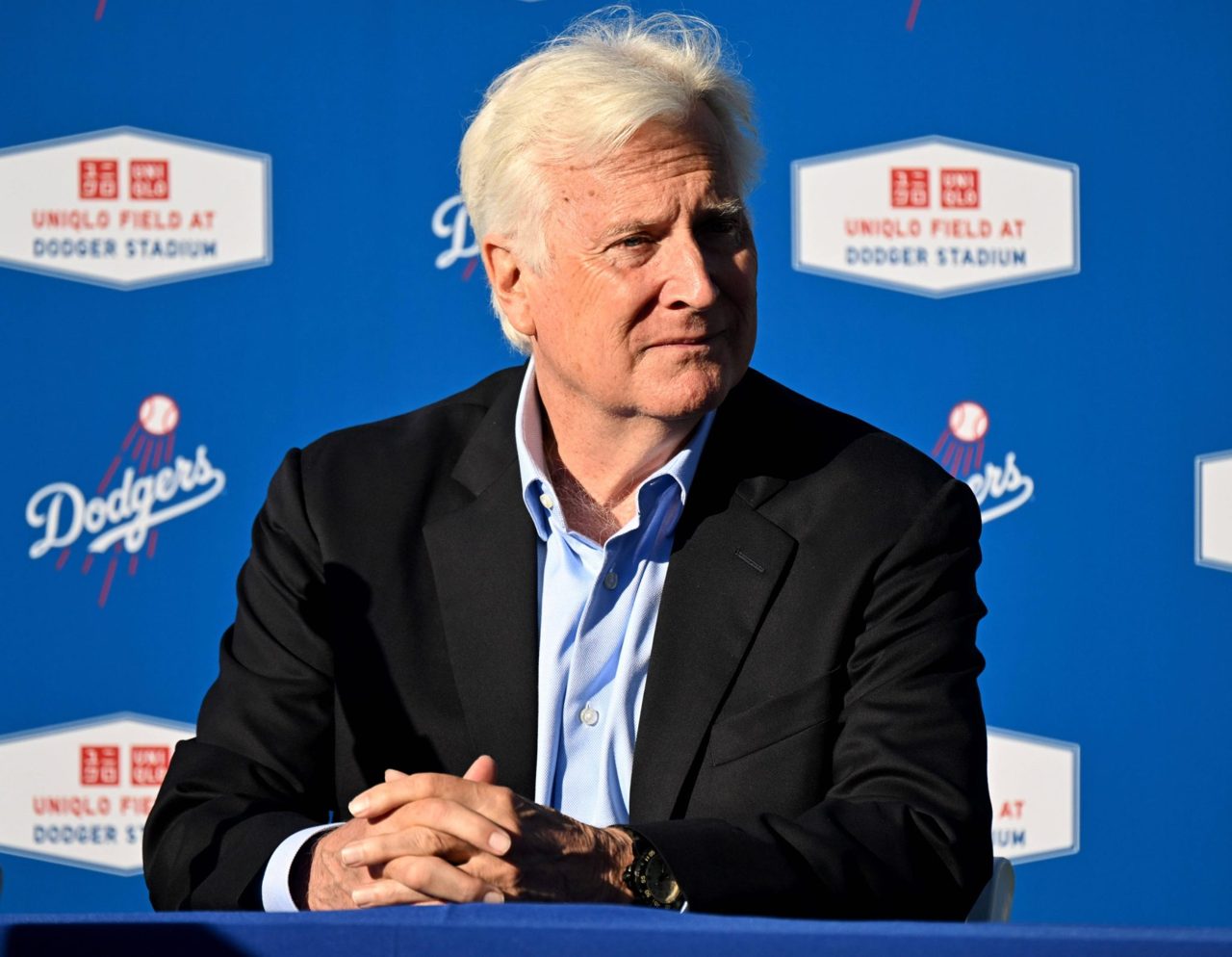
Walter's interests extend well beyond asset management. He controls the Los Angeles Dodgers and has been a visible figure in professional sports and entertainment finance, appearing as recently as March at a Dodgers press conference announcing a partnership with UNIQLO. The breadth of his holdings means that a finding of fraud at the insurance level could trigger collateral consequences across unrelated business lines that depend on Guggenheim's balance sheet.
Neither the SEC nor the Department of Justice has brought formal charges, and the existence of an investigation does not imply wrongdoing. Walter has not been accused publicly of any crime.
Market read
The case will be watched closely by credit analysts covering Guggenheim-linked debt and by institutional investors with exposure to the firm's private-credit and insurance platforms. Any escalation, whether in the form of subpoenas to the four named intermediaries or civil enforcement action, would likely widen spreads on Guggenheim-adjacent paper and prompt redemption questions among fund clients.
For now, the message from Washington is that the investigation has moved past broad fact-gathering and into a targeted examination of specific conduits. The next concrete signal for markets will be whether those four entities, or Walter himself, receive formal legal process.