US nuclear utilities face 186 million pound uranium supply gap
With 93 percent of its uranium imported and global demand surging, the United States is scrambling to secure domestic fuel supplies to sustain its aging reactor fleet and support a planned nuclear expansion.
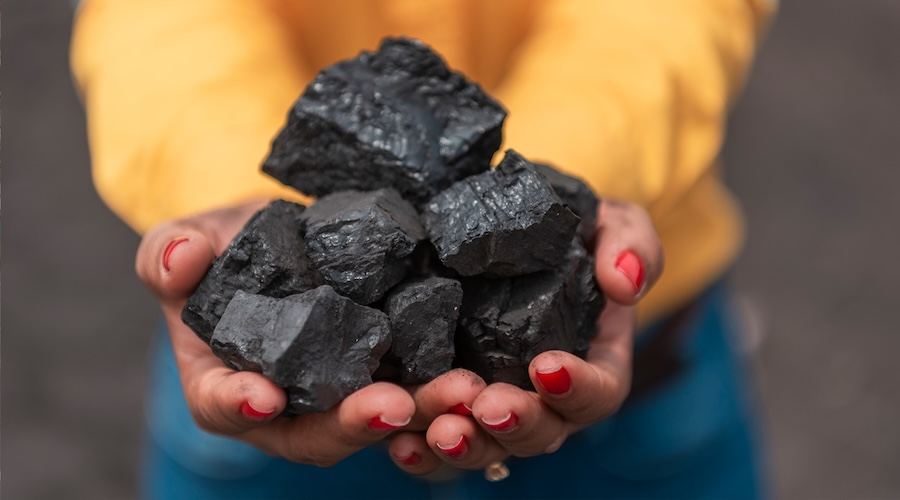
The United States must secure 186 million pounds of uranium over the next decade to maintain baseline grid operations, as current long-term purchase agreements cover only 174 million pounds of a projected 360 million pound requirement. This unfilled market demand highlights a severe vulnerability in the domestic supply chain at a time when the Trump administration is pushing for a nuclear power renaissance.
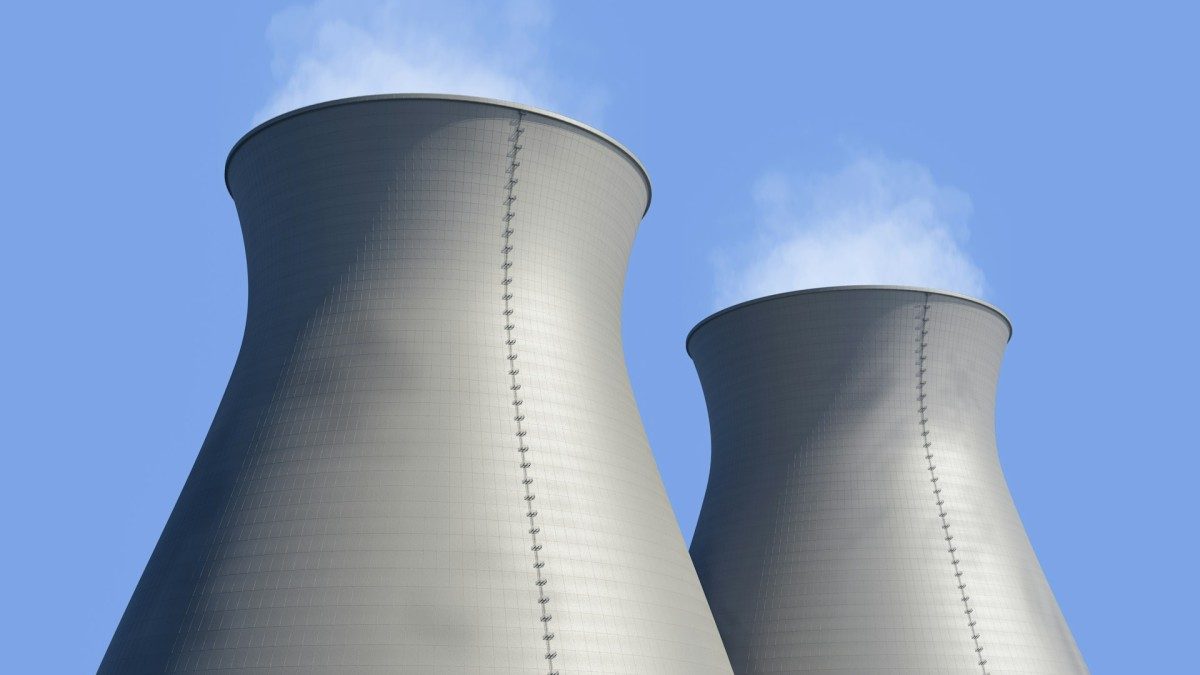
While the US remains the world’s largest producer of nuclear energy, its fleet is aging, with decommissioning outpacing new construction. The sector relies heavily on foreign imports, sourcing 93 percent of its uranium from abroad and leaving just 7 percent of reactor deliveries from domestic sources.
This dependence creates significant energy security risks, particularly because critical supply chains and enrichment processes are heavily influenced by Russia. Global competition is intensifying as the World Nuclear Association projects uranium demand will rise 28 percent by 2030 and nearly double by 2040.
“Russian and Chinese players have been very keen to secure access to resources in Central Asia and Africa, creating a very aggressive competitive environment,” Benjamin Godwin at Prism Strategic Intelligence told the Financial Times last year. This aggressive positioning limits the available inventory for Western utilities looking to lock in long-term contracts.
These geopolitical risks are colliding with rising costs and tight supplies. A January report from Stanford Energy noted that "U.S. nuclear energy faces fuel supply chain vulnerabilities, with tight uranium supplies, geopolitical risks, and rising costs threatening both existing reactor costs and advanced reactor development."
To address the shortfall, the federal government is accelerating domestic production and alternative fuel initiatives. In April, uranium production commenced at a 20,000-acre in-situ recovery site in South Texas, the largest such facility in over a decade, with expectations to produce 6,155,000 pounds of U3O8.
Washington is also investing in recycling spent nuclear fuel, a process that could increase resource utilization by 95 percent. Additionally, the administration is in advanced negotiations to convert more than 50 tons of Cold War-era weapons-grade plutonium into commercial reactor fuel for nuclear startups.
Oklo, a company developing next-generation small nuclear reactors, is among the startups in discussions to acquire this plutonium. “A lack of fuel is one of the biggest choke points in expanding nuclear power right now,” said Jacob DeWitte, the chief executive of Oklo. “This will help us get more nuclear power online faster.”