Putin's calls for rate cuts test Russian central bank independence
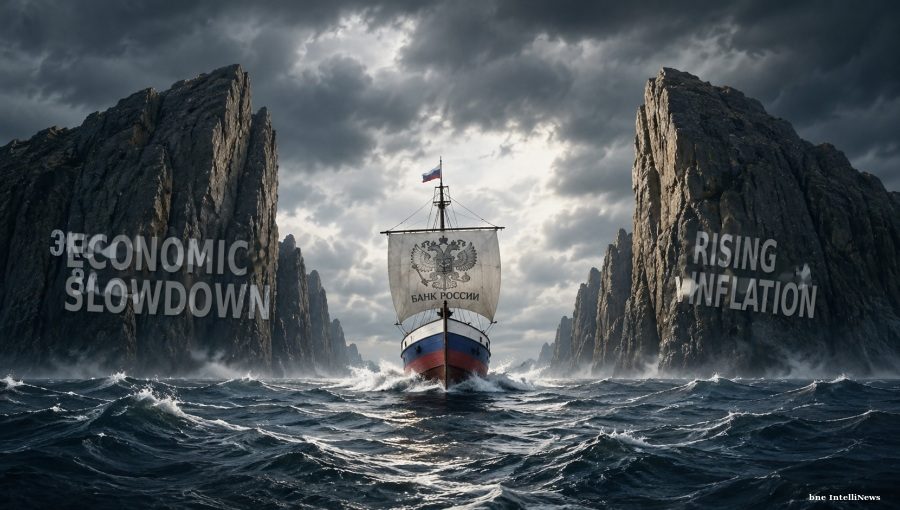
Vladimir Putin’s unprecedented public push for interest rate cuts ahead of the July 24 meeting threatens the Central Bank of Russia's hard-won independence as surging fuel inflation collides with a contracting economy.
Vladimir Putin has publicly called for lower interest rates for the second time in a month, directly pressuring the Central Bank of Russia ahead of its July 24 monetary policy meeting. Describing a rate reduction as a "natural process" dictated by macroeconomic indicators, the president is taking the unusual step of siding with big business against his own central bank governor, Elvia Nabiullina.
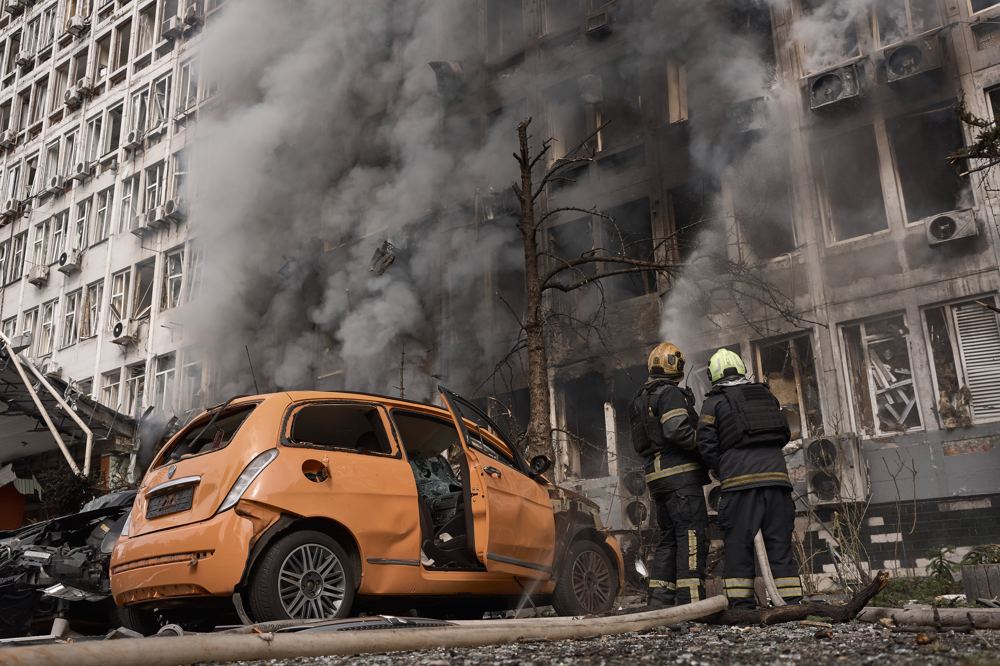
The political pressure comes at a particularly bad time for inflation. Ukrainian drone strikes on refineries have pushed Russian refining runs to a 21-year low, cutting petrol production to roughly 65% of daily demand of 115,000 to 120,000 tonnes. This has created a daily shortfall of up to 45,000 tonnes that emergency imports from Belarus and Kazakhstan cannot cover.
Headline inflation rose to 6.02% in June from 5.31% in May, with seasonally adjusted annualised rates hitting 11-12%, far above the central bank's 4% target. The central bank argues the fuel spike is a one-off supply shock, pointing to core inflation which slowed to a 4.2% seasonally adjusted annualised rate in April and May. However, a 200 basis point VAT hike implemented in January continues to complicate the price picture.
Yet the broader economy is buckling under the weight of the central bank's 14.25% base rate. After growing 4.9% in 2024, the economy contracted by 0.2% in the first quarter of 2026 as capacity utilisation exceeded 80% and a chronic labour shortage constrained output. The high-rate medicine is now choking the civilian economy, driving non-performing loans in the banking sector to around 11% and pushing small businesses into a debt spiral.
Large corporations are similarly distressed. German Gref, CEO of Sberbank, has argued rates must fall to 12% or lower to spur a revival, while the Russian Union of Industrialists and Entrepreneurs has formalised its lobbying power. The group's chairman, Alexander Shokhin, was recently appointed Russia's business ombudsman.
Nabiullina has fiercely resisted, warning that faster cuts would be a "dangerous experiment" risking stagflation. "Let’s try it," Gref retorted publicly last month. If Nabiullina makes even a token 25 basis point cut this month, it will signal a dangerous erosion of central bank independence.
The Kremlin is already employing rhetorical acrobatics to mask the economic pain, with officials describing a downturn as "restoration to health" and stagnation as "development." This systemic alteration of economic language is designed to avoid admitting that the wartime growth boom has run out of steam.