Brazil truckers end strike as Senate passes freight law
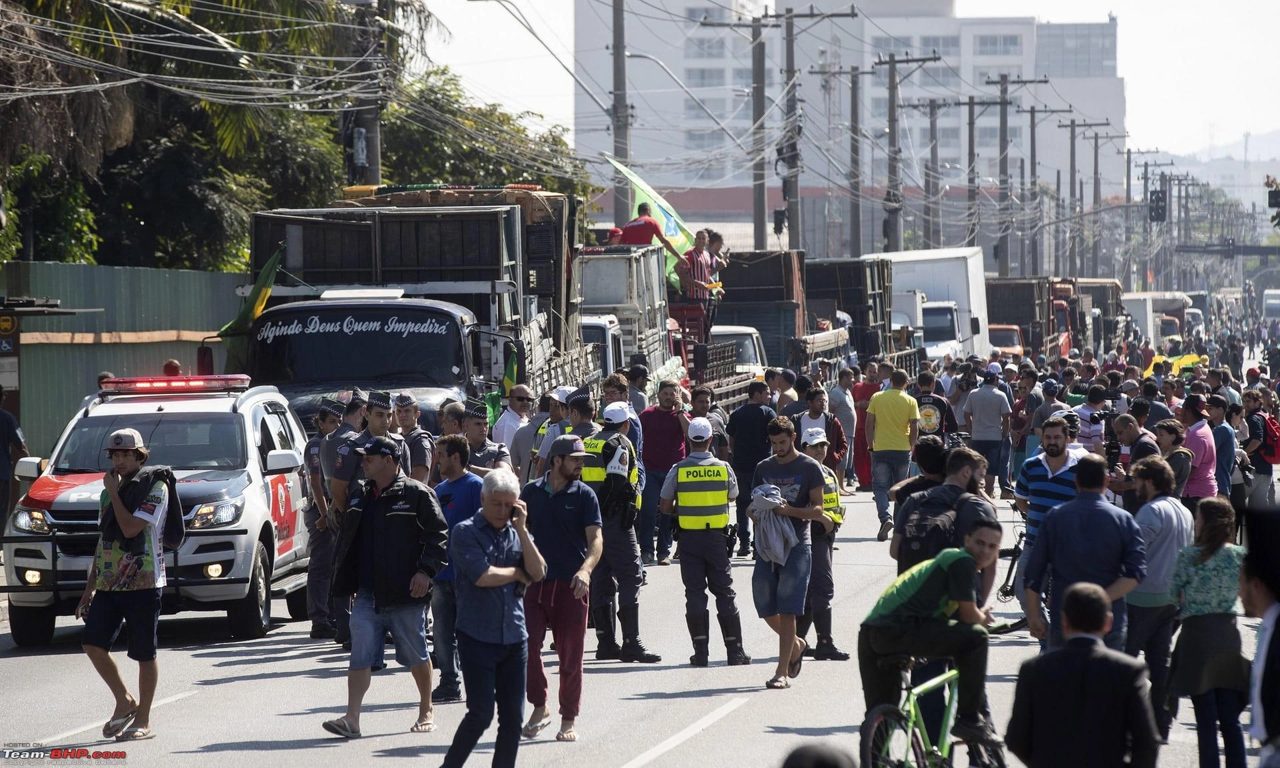
Brazilian truckers called off a brief strike after the Senate passed a freight law that averts a major supply chain disruption but tightens payment terms and enforcement penalties for agricultural exporters.
Brazilian truckers parked up across four states on Monday but stood down by Tuesday evening after the Senate passed a long-stalled freight law, averting a supply chain crisis in one of the world's largest agricultural exporters.
Trucks move roughly 60% of all cargo in Brazil. A prolonged stoppage risked repeating the severe disruptions of 2018, when a similar protest emptied supermarkets and grounded flights within a week. The measure, a decree in force since March, faced a Thursday expiration deadline after stalling in the Senate since June 30.
For shippers and investors, the operative change is not driver pay but the strict enforcement of the existing minimum freight table. Companies that pay below the floor more than four times in six months now face suspension of their haulage registration, with fines ranging from 100,000 to 1 million reais.
Working capital requirements for agricultural exporters moving soy, sugar and containers will also tighten. Freight bills must now be settled within 30 working days, and self-employed hauliers must receive at least 70% of the payment up front.
Pay floor shifts to unions
Financial markets had watched the legislation for a proposed 5,000-real monthly pay floor, roughly $975. That figure is absent from the final text. Senators Jaime Bagattoli and Tereza Cristina, backed by rapporteur Styvenson Valentim, removed the number as a procedural suppression rather than an amendment. That technical distinction prevented the bill from being sent back to the lower house with no time to spare.
The law still mandates a national pay floor for employed long-haul drivers, defined as trips keeping a driver away for more than 24 hours, but leaves collective bargaining to determine the actual figure. Bagattoli had argued the fixed legislative floor would have damaged thousands of small haulage firms.
Fuel triggers and amnesties
The pricing table gets a new rhythm tied directly to fuel costs. The regulator must publish new freight values within three working days if diesel prices move 5% or more. This clause will interact directly with the 10 billion-real diesel subsidy Congress recently approved through December.
The legislation also converts past freight-underpayment fines into warnings, though money already paid will not be refunded. A separate amnesty for truckers fined for blocking roads during the 2022 elections is expected to be vetoed by the president, according to the government's congressional leader.
Despite the pending veto on the blockade amnesty, truckers ended their strike on Tuesday. Senate president Davi Alcolumbre noted the final deal took roughly ten hours to negotiate. The willingness of drivers to stand down before securing that specific pardon suggests a shift in leverage that executives should note for future labour disputes.