UK government plans to expand SME finance draw retail praise
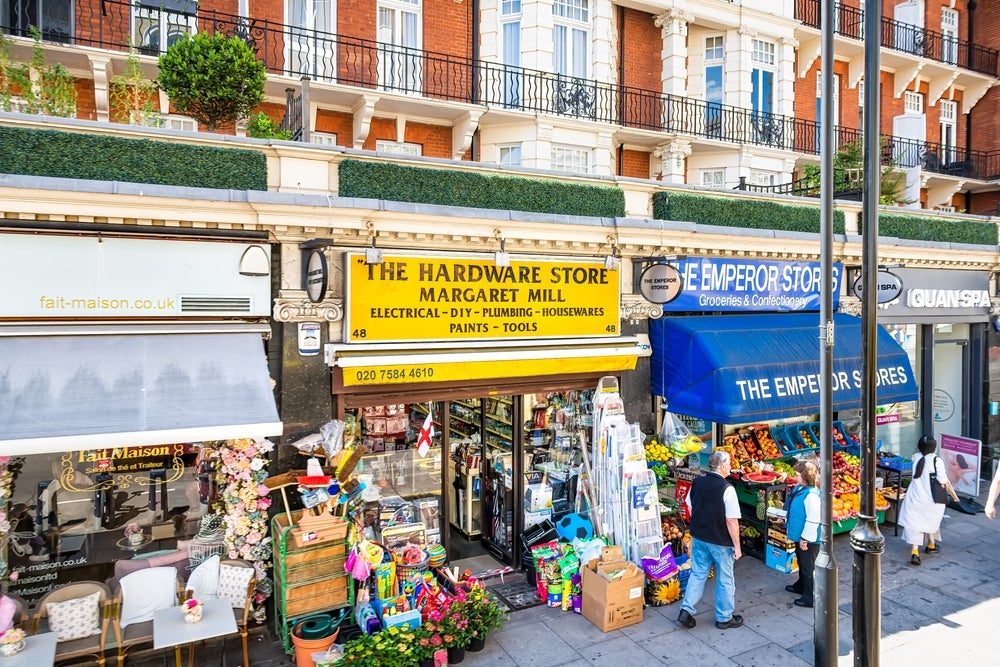
The UK government’s new proposals to expand lending for small businesses have drawn cautious support from independent retailers, highlighting the critical need for credit access to stabilize the country's high streets.
The UK government has introduced proposals to increase the availability of finance for small and medium-sized enterprises. The British Independent Retailers Association (Bira) has broadly welcomed the measures, which form part of a wider state strategy to stimulate private investment and broader economic growth.
SMEs account for the vast majority of UK businesses, yet accessing affordable capital remains a primary barrier to their expansion. Independent retailers are currently navigating a highly constrained operating environment, squeezed by rising overheads and persistent economic pressures.
For lenders and credit market analysts, the government's intervention underscores the ongoing fragility of the small-business credit market. Retailers frequently require external funding to refurbish physical stores, adopt new technology, and execute energy efficiency upgrades. However, smaller firms have consistently struggled to secure this funding on favorable terms compared to larger corporate peers.
Bira chief executive Andrew Goodacre noted that improved access to capital would give independent retailers "greater confidence to invest in their businesses." This increased capital expenditure could provide a marginal boost to local employment and supply chains, supporting the wider high street recovery.
Despite the positive reception, the trade body highlighted significant execution risks that could limit the market impact of the new plans. Goodacre described the government's proposals as "a positive step" but stressed that retailers must be able to obtain finance "without unnecessary complexity." If administrative barriers remain high, capital deployment will fall short of government targets.
Furthermore, market participants should note that improved credit access is only one variable in the retail survival equation. Bira emphasized that any sustained investment and growth will also require parallel government action on structural issues. The organization continues to lobby for meaningful business rates reform, lower baseline operating costs, and stronger enforcement against retail crime.
Until these broader cost bases are addressed, cheaper debt alone may not be enough to fundamentally alter the risk profile of independent UK retail. Lenders will likely continue to weight sector-specific headwinds heavily when underwriting small business loans.