Peru Auto Lobby Puts $8.7bn Price Tag on Lima Gridlock
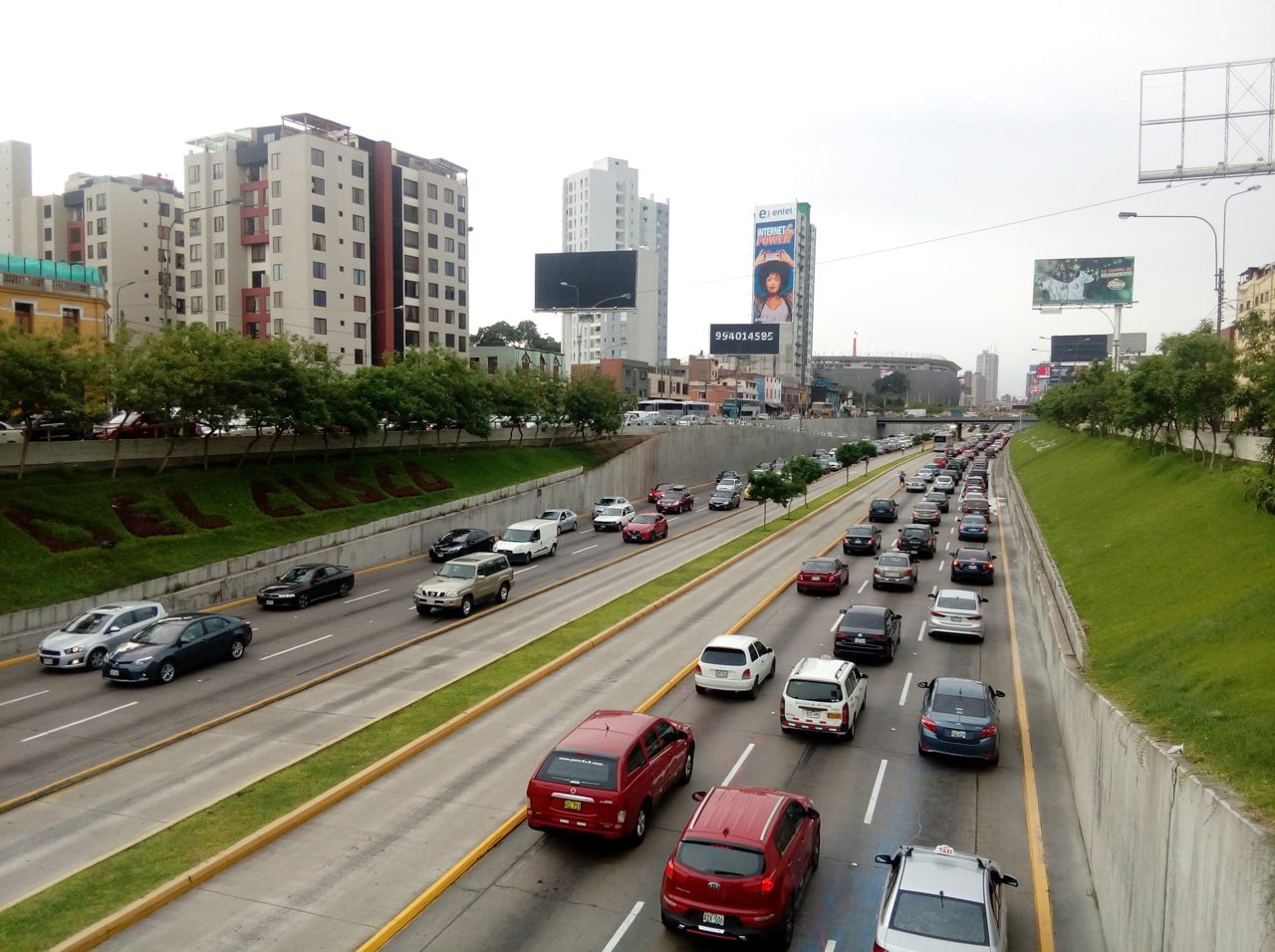
Peru’s car industry has warned that Lima’s traffic costs the economy $8.7 billion annually, pressing the incoming government to adopt a long-term transport plan to restore the capital's commercial competitiveness.
Peru’s automotive association has calculated the exact toll of Lima’s notorious gridlock, warning that traffic congestion costs the economy S/30 billion, or roughly US$8.7 billion, each year.
The figure represents a substantial drag on the national budget, driven by lost working hours, wasted fuel, inflated logistics bills and the health impact of poor air quality. For businesses operating in Peru, this congestion functions as a direct tax on productivity. Slower freight movement and unreliable supply chains feed straight into consumer prices, undermining the competitiveness of the country’s primary commercial hub.
The Asociación Automotriz del Perú (AAP) presented the estimate this week alongside a proposed roadmap for the next administration. The group notes that Lima’s average traffic speed sits at just 12 kilometres an hour, barely faster than a bicycle. Peru currently has about 3.9 million light vehicles, 3.2 million motorcycles and 400,000 heavy trucks on its roads. The AAP argues the core problem is not vehicle volume, but rather chronic weak planning, missing infrastructure, thin oversight and an unregulated informal transport sector.
To address this, the industry group is urging the state to adopt a four-part reform. First, it wants the city’s fragmented bus and train networks merged into a single, affordable system. Second, it is demanding the accelerated construction of Metro Lines 3, 4 and 7, which have stalled for years despite their capacity to carry hundreds of thousands of daily commuters.
The remaining proposals target the vehicle fleet itself. The AAP wants stricter inspections to scrap the oldest cars and accelerate the transition to natural gas and electric vehicles. It also calls for a modernized road-safety framework utilizing cameras and electronic monitoring to enforce traffic laws.
The association has set concrete benchmarks for 2036. It aims to double Lima’s average speed to 25 kilometres an hour, reduce the average age of light vehicles from 14.5 to 11 years, and cut the road-death rate from 10 to 6 per 100,000 people.
The critical variable is political will. An incoming government is scheduled to be sworn in on July 28 amid a fragile transition. The AAP stressed that its plan must survive as permanent state policy rather than a short-term initiative that expires with each new administration. For investors, the publication of these targets provides a clear metric to judge whether the next government is serious about fixing a structural bottleneck on Peruvian growth.