Meta smart glasses hit by lawsuit and content purge as privacy backlash builds
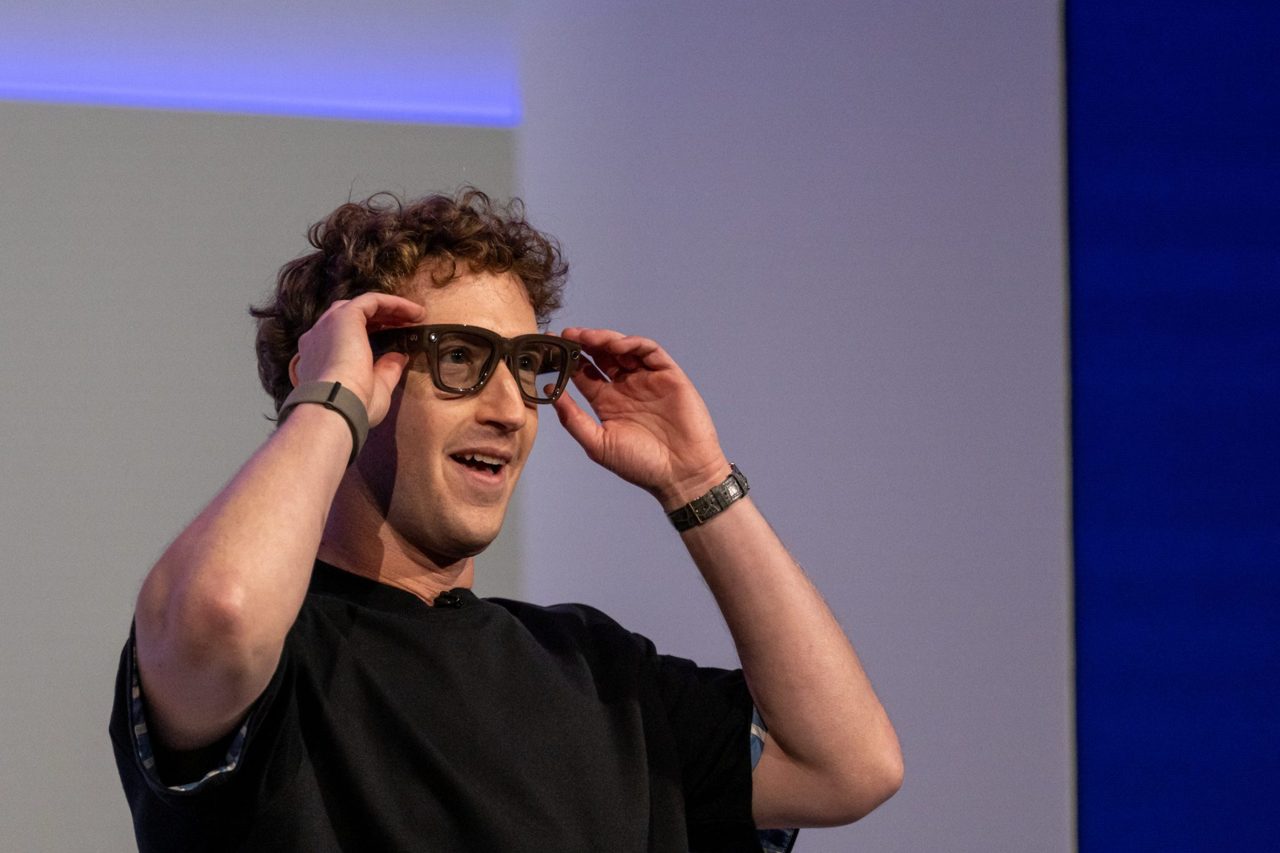
Meta faces a lawsuit over subcontractor access to intimate footage while Instagram removes accounts that built millions-strong audiences by livestreaming from its Ray-Ban glasses, raising regulatory and reputational risks for its wearables push.
Meta is facing a lawsuit after a study found that subcontractors working on its Ray-Ban Meta Glasses programme viewed users' most intimate recordings, while Instagram has separately disabled several accounts that built audiences of millions by livestreaming footage captured on the glasses.
The twin developments raise compliance and reputational risks for Meta's wearables division, which the company has positioned as a flagship consumer-AI product.
The glasses embed cameras and microphones directly into the frames, letting wearers photograph, record and livestream to Facebook and Instagram without handling a phone. Meta says a white LED on the front of the frames blinks during capture, cannot be switched off, and that the camera disables itself if the light is covered.
"We will keep strengthening our protections as our glasses become even more capable," Meta spokesperson Dina El-Kassaby said.
Critics argue those safeguards protect the buyer, not bystanders. "They're making it safe for the consumer," said Jim Waldo, a Harvard computer-science professor who teaches technology-privacy courses. "They're not making it safe for the people around the consumer."
Legal exposure
Gene Kang, a partner at Rivkin Radler LLP, said the inconspicuous nature of the glasses undermines the implied-consent argument that typically applies when someone visibly raises a phone camera. "If they're not aware that they're being recorded, then I think that presents a different issue," Kang said. "I think they would potentially have a claim there."
A University of Sydney study sharpened those concerns. Researchers analysed more than 350 videos of what they termed "ambient capture", recording people without their knowledge in everyday settings. Sixty per cent of the footage involved behaviour classified as potentially harassing, and in 43 per cent of videos women faced derogatory commentary or were identified by name.
"We should all be very concerned," said Dr Milica Stilinovic, one of the study's authors.
Instagram moved against accounts that had used the glasses to amass millions of followers through persistent live streams. "We don't want harassing content on our platforms and take it down when we find it," an Instagram spokesperson said.
A counter-market emerges
The backlash is spawning its own micro-economy. An open-source app called Nearby Glasses, built by Professor Yves Jeanrenaud to alert users when Meta Glasses are in proximity, has passed 100,000 downloads on Google Play. Jeanrenaud described the glasses in his project repository as "an intolerable intrusion, consent neglecting, horrible piece of tech."
He cautioned that the tool remains limited. "It's still an imperfect approach and probably always will be," he wrote. "We need better solutions to curb surveillance tech and privacy intrusion."
Other countermeasures circulating online, from facial markings designed to confuse recognition algorithms to singing copyrighted songs in hopes of triggering takedown notices, are less reliable. Kang dismissed the copyright workaround, noting that a person being filmed holds no copyright over the composition. "It's really a privacy issue," he said.
For investors tracking Meta's hardware roadmap, the episode underscores a growing regulatory and litigation overhang. Always-on cameras, facial recognition and AI packed into a consumer form factor are colliding with consent frameworks drafted for a pre-wearable era, and the legal perimeter has yet to be tested in court.
Waldo summed up the uncertainty: "The technology is changing. It's the combination of the Meta Glasses with facial recognition, AI, and a number of other sorts of technologies that are all coming together and putting us in an environment that we just aren't prepared to deal with yet."