Currency slump prices Nigerians out of growing IVF market
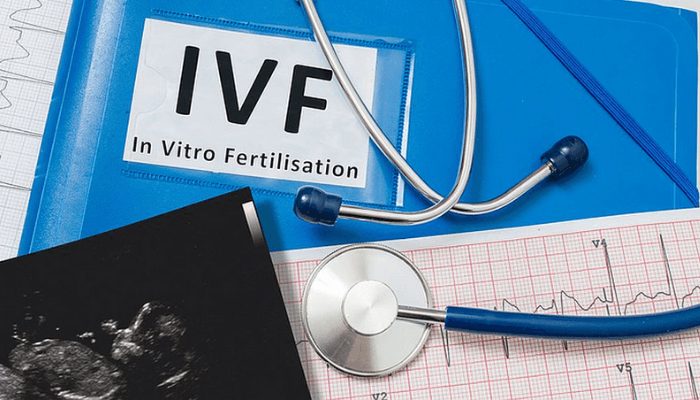
Nigeria's expanding fertility sector is colliding with the limits of consumer purchasing power as naira depreciation and chronic public underfunding push specialized treatment costs beyond household budgets.
Nigeria’s fertility sector is expanding, but a collapse in the local currency is severely restricting consumer access. Imported drugs and laboratory equipment have driven the cost of a single in-vitro fertilisation cycle to between N1.2 million and over N4 million.
The pricing shock stems directly from the naira’s depreciation from roughly N400 to the US dollar to over N1,000. Dr. Abayomi Ajayi, Managing Director of Nordica Fertility Centre, said the currency shift meant clinics could have legitimately increased prices threefold. “In reality, clinics could have increased prices threefold, but that has not happened. Nevertheless, treatment costs have risen,” Ajayi said.
Despite these affordability barriers, demand for assisted reproductive services has grown over the past five years. This growth is driven by increased public awareness and rising male-factor infertility, with a Nordica study finding 12% of men visiting the clinic had no sperm at all. The sector is also seeing an unexpected dynamic: Nigerians living abroad are returning home for IVF treatment, pointing to a partial reversal of the country's traditional medical tourism outflow.
The IVF pricing crisis highlights deeper structural weaknesses in Nigeria’s healthcare financing. The World Bank estimates public health expenditure accounts for only about 0.5% of the country’s GDP, while out-of-pocket payments fund roughly 77% of total health expenditure. Because fertility treatments are rarely covered by health insurance, households bear the full financial risk.
This reliance on direct household spending has severe macroeconomic consequences. Healthcare expenses push more than one million Nigerians into poverty annually, with approximately one in four experiencing catastrophic health spending. For the fertility market specifically, this financing gap means years of delayed care and reliance on personal savings or loans.
Government underinvestment continues to constrain the sector's potential. The health sector receives less than 5% of the national budget allocation, a figure lower than many African countries. Policymakers still view infertility as a personal rather than a public health issue, making it less likely to attract state funding compared to communicable diseases.
“The best the government can do is to regulate the sector and ensure that only qualified providers offer fertility treatment,” Ajayi said. Without broader reforms to healthcare financing or the integration of fertility care into universal coverage, the gap between Nigeria’s growing private medical market and the consumers who can afford it will persist.