US gasoline to hit $4 as Iran, Russia supply shocks bite
U.S. gasoline prices are forecast to breach $4 a gallon within days after a collapsed Iran ceasefire and Ukrainian strikes on Russian refineries triggered a 12% crude rally, threatening to lift broader transportation costs.
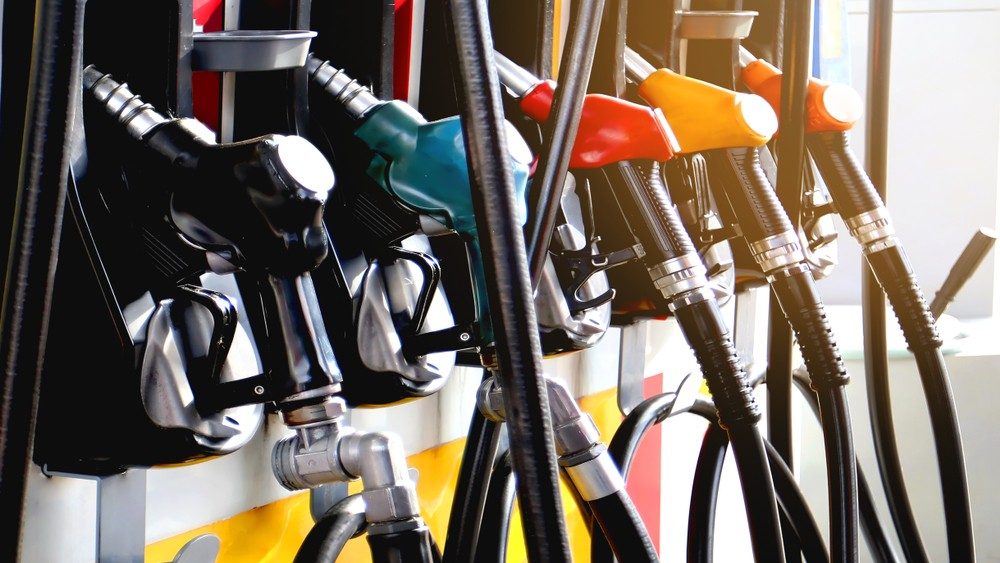
U.S. drivers are facing a sharp reversal at the pump, with the national average price of gasoline forecast to reach $4 a gallon within the next week. The projected jump follows a roughly 12% surge in crude oil prices over just three days, pushing prices to more than one-month highs. This snapback ends a prolonged period of falling fuel costs that had provided relief to consumers since May.
The rapid crude rally is driven by a convergence of severe geopolitical supply disruptions rather than typical seasonal demand. President Donald Trump announced the re-imposition of a U.S. blockade on Iran on July 14 after a ceasefire agreement effectively collapsed. The resulting risk premium is compounding with separate supply constraints, as Ukrainian strikes have systematically degraded Russian refining capacity.
The national average for gasoline stood at $3.8590 per gallon at the close of July 14, up from $3.79 a week prior, according to AAA data. Patrick De Haan, head of petroleum analysis at GasBuddy, projects an additional increase of $0.15 to $0.45 per gallon depending on regional price cycling. “I now expect the national average price of gasoline to reach $4 per gallon in the next 7-10 days, if not sooner, while the U.S. average diesel price is likely to again reach $5 per gallon by the end of this week, potentially as soon as Friday,” De Haan said.
For commercial markets and logistics operators, the diesel forecast carries immediate financial weight. Because diesel powers the vast majority of freight and agricultural machinery, a surge toward $5 a gallon translates directly to higher operational costs. These expenses typically flow through the broader supply chain, pressuring corporate margins or forcing price increases for goods.
“The pain at the pump is about to intensify, and this time it's not one story driving it, it's two,” De Haan wrote, highlighting the dual pressures from the Middle East and Eastern Europe. Market participants will now be assessing how sustained this price shock might be. A prolonged elevation in energy costs threatens to stall recent progress on inflation, complicating the consumer spending outlook and shifting focus back to commodity hedges.