US Backs Iraq-Syria Pipeline to Cut Hormuz Reliance
Washington is supporting a reconstructed pipeline from Iraq to the Mediterranean, a move that would de-risk crude exports and open lucrative contracts for US energy firms.
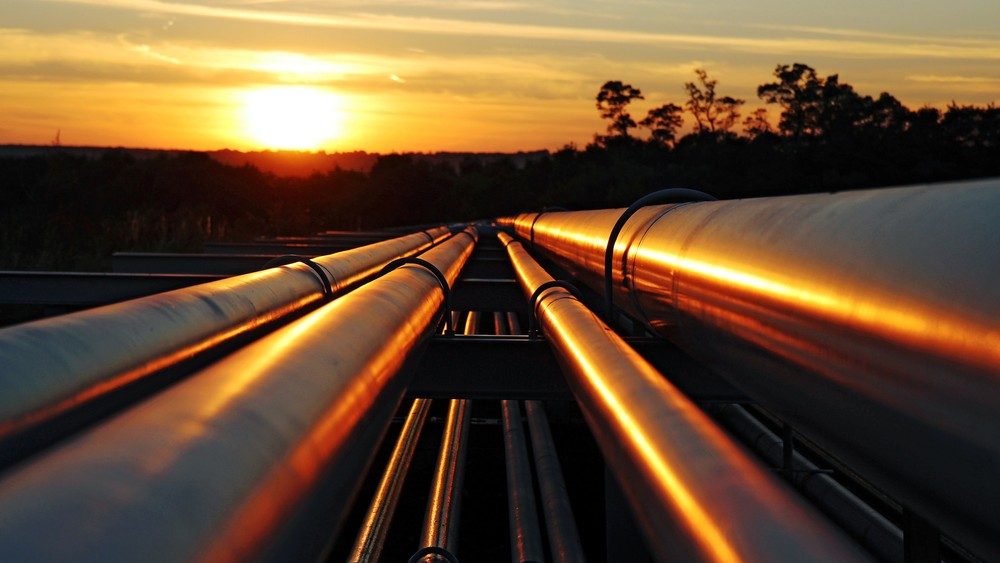
The United States is throwing its diplomatic weight behind a plan to rebuild the Kirkuk-Baniyas oil pipeline, a route that would carry Iraqi crude directly to Syria’s Mediterranean coast. A US State Department official confirmed Washington's support for the project, framing it as a direct strategy to neutralize Iran’s leverage over the Strait of Hormuz. The diplomatic push aligns with a White House meeting on Tuesday between President Donald Trump and Iraqi Prime Minister Ali al-Zaidi.
For energy investors, the project addresses a critical supply risk that recently punished OPEC’s second-largest producer. A previous shutdown of the Strait of Hormuz exposed Iraq's overwhelming dependence on the chokepoint, forcing Baghdad to implement severe upstream production cuts. That supply disruption resulted in billions of dollars in lost revenue for the Iraqi government, highlighting the urgent financial need for alternative export corridors.
Washington views the infrastructure overhaul as an avenue for American corporate participation. The US expects its energy firms to secure major roles in the reconstruction of the Kirkuk-Baniyas route. Thomas Barrack, the Special Presidential Envoy for Syria and Iraq, has spearheaded these commercial discussions, hosting recent talks that included Iraqi and Syrian officials as well as US supermajor Chevron, according to people with knowledge of the matter.
The Kirkuk-Baniyas route is the primary focus, but it is not the only option being evaluated. Iraq and Syria are actively studying several new land-based corridors to diversify their export geometry. One prominent alternative involves constructing a pipeline from Basrah in southern Iraq to Haditha in the north, offering future flexibility to route crude into Syria, Turkey, or Jordan.
To formalize these studies, Iraq’s government recently approved state-run Basra Oil Company to sign preliminary agreements with US firms, explicitly including Chevron. The investment case is clear: any successful bypass of the Strait of Hormuz would permanently alter the risk profile of Iraqi crude. “New pipelines for energy, new roads to progress. A more prosperous Iraq means a more stable region—and exclusive opportunities for American business,” Barrack said.
The strategic recalibration extends beyond Iraq, as the recent crisis has prompted all Persian Gulf producers to accelerate pipeline development. The Strait of Hormuz, as a critical chokepoint, will never be the same again. Securing land-based alternatives is now a fundamental requirement for maintaining production stability and protecting state revenues across the region.