Kospi jumps 7% as chip stocks rebound from leveraged selloff
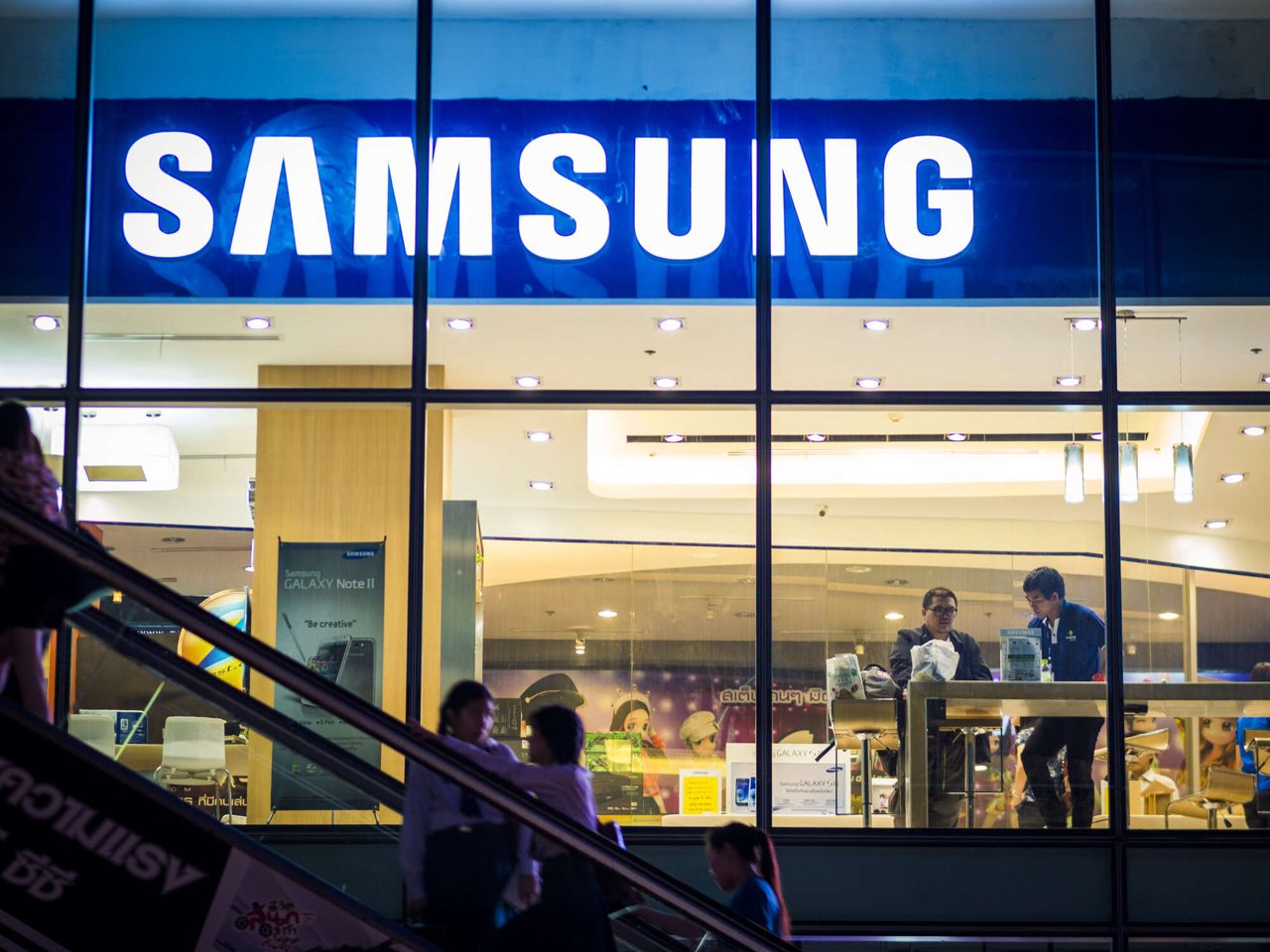
South Korea's benchmark index surged as semiconductor giants rallied on shifting hardware demand, though analysts warn that ETF-driven leverage remains a systemic risk to the sector's structural growth.
South Korea’s Kospi index surged 7% as the country’s semiconductor sector staged a sharp recovery from days of heavy selling. Samsung Electronics climbed 8%, SK Hynix rallied 13%, and chip equipment maker Hanmi Semiconductor soared 25%. SK Hynix’s newly listed American depositary receipts had already closed more than 27% higher overnight, signalling strong offshore demand ahead of the Seoul trading session.
The tech-heavy rally mirrored broader gains in US markets, where the S&P 500 and Nasdaq advanced on solid bank earnings and inflation data that came in below expectations. The combination encouraged investors to increase their risk exposure globally, even as geopolitical tensions escalated in the Middle East. The sector rotation was highlighted by IBM CEO Arvind Krishna, who attributed a guidance miss to software and infrastructure weakness as customers redirected their budgets toward hardware, specifically memory chips. Krishna acknowledged IBM was slow to respond to these shifting priorities, delaying several large deals.
While the immediate price action is positive, the recovery exposes the fragile mechanics driving recent trading in Seoul. Goldman Sachs told institutional clients that the preceding selloff was exacerbated not by deteriorating fundamentals, but by the forced unwinding of positions in highly concentrated, newly launched exchange-traded funds. The bank estimated that SK Hynix’s double-digit decline on Monday alone forced these leveraged funds to sell roughly $5 billion worth of shares to meet portfolio rebalancing mandates.
"South Korea's semiconductor story is built on genuine structural demand, but an uncontrolled appetite for leverage has turned it into a far more fragile market trade," said Hebe Chen, a senior market analyst at Vantage Global Prime in Sydney. "The double-edged sword is now cutting the other way, with leverage making the fall every bit as powerful as the climb."
Beneath the short-term volatility, Wall Street brokerages maintain a constructive view on the underlying semiconductor cycle. HSBC noted that improving profitability from artificial intelligence services should sustain healthy cloud spending. Long-term supply constraints also heavily favour chipmakers. SK Hynix CEO Kwak Noh-jung recently projected that the global memory industry will face its worst-ever supply shortage in 2027. He warned that demand will outpace the company's production capacity well beyond 2030, despite aggressive expansion plans.
Investors are still weighing these long-term tailwinds against intermediate headwinds. Markets have grown cautious over the prospect of slower memory earnings growth, pricing in a moderation of quarterly price increases for the second half of 2026. Until the structural leverage is flushed from the market, South Korean chip equities remain vulnerable to exaggerated downward swings regardless of strong industry fundamentals.