Savannah secures Barroso lithium land deals, 2028 production target
Savannah Resources has signed benefit-sharing agreements covering two of three required local landholders for its Barroso lithium project, removing a key hurdle as it targets 2028 production of battery-grade material.
Savannah Resources has signed land access and benefit-sharing agreements covering two of the three local communal landholders required for its Barroso lithium project in Portugal. The deals with the Baldio of Alijó, Canedo and Penalonga, and the Baldio of Couto de Dornelas, grant the company access to Blocks A and C of the Aldeia mining concession and the western end of the C-100 concession.
Strategic reserves
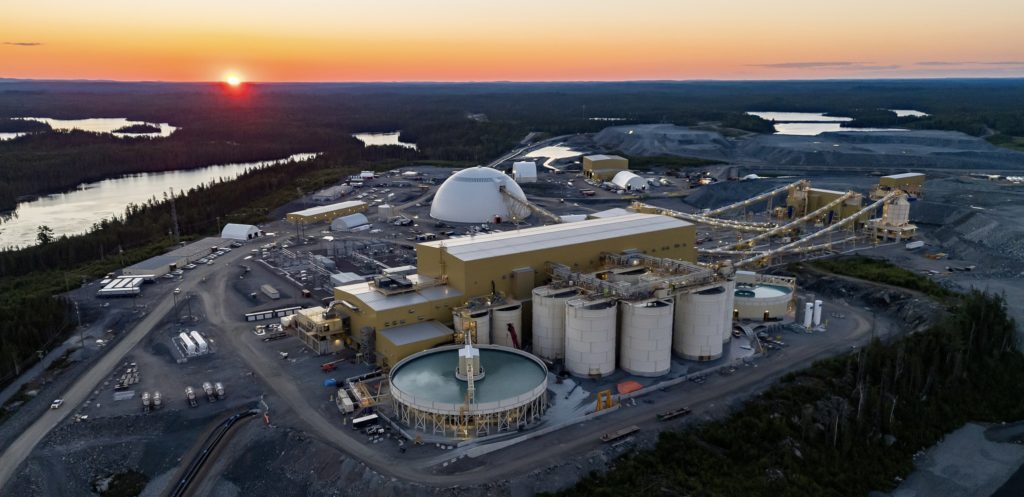
Barroso holds Europe’s largest spodumene lithium deposit, with Savannah lifting its reserve estimate by 40% in 2025 to more than 39 million tonnes. The project is designated a ‘Strategic Project’ under the European Critical Raw Materials Act and carries a €110 million ($128 million) Portuguese government grant. Savannah plans four open-pit mines capable of producing enough lithium annually for 500,000 electric vehicles.
Local opposition
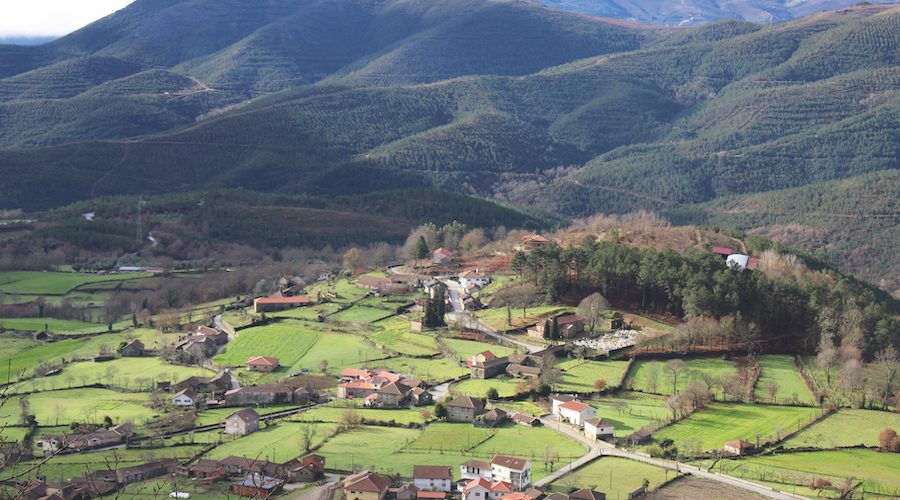
Securing community consent has been the project’s primary obstacle. The Barroso region is a UN World Heritage agricultural site, and environmental groups have raised concerns over water, biodiversity and land use. The signed agreements structure community participation in oversight bodies, inflation-indexed rent compensation, and local reinvestment of generated benefits.
“This is not simply about securing access to land – it is about recognising that the baldios belong to the communities that have managed them for generations, and that those communities have a voice in decisions and access a fair share of the benefits,” Savannah Resources CEO Emanuel Proença said.
Next steps
A separate memorandum with the regional Secretariat of the Baldios of Trás-os-Montes and Alto Douro establishes an agroforestry partnership covering roughly 100 hectares owned by Savannah, aimed at forest management and fire prevention. The company still needs the final environmental licence, expected in the third quarter of 2026, with a final investment decision slated for the end of that year and first production targeted for 2028.