India courts Myanmar rare earths as long-term China hedge
India and Myanmar have agreed to boost rare earth cooperation, offering New Delhi a potential long-term hedge against China’s dominance of critical mineral supply chains despite severe infrastructure and geopolitical obstacles.
India and Myanmar have agreed to increase cooperation on rare earth investment and mining following talks in New Delhi between Prime Minister Narendra Modi and junta chief Min Aung Hlaing. While no actual supply agreement was signed, Foreign Secretary Vikram Misri confirmed the discussions included the rare earths sector. The diplomatic push marks a strategic step for New Delhi as it attempts to secure critical minerals.
The overture is driven by Beijing’s overwhelming control over the global rare earth industry. According to the International Energy Agency, China accounted for 91% of global rare earth refining capacity and 94% of magnet manufacturing capacity in 2024. This dominance has pushed India, the US, Japan and others to aggressively seek alternative supply chains less vulnerable to Chinese export restrictions.
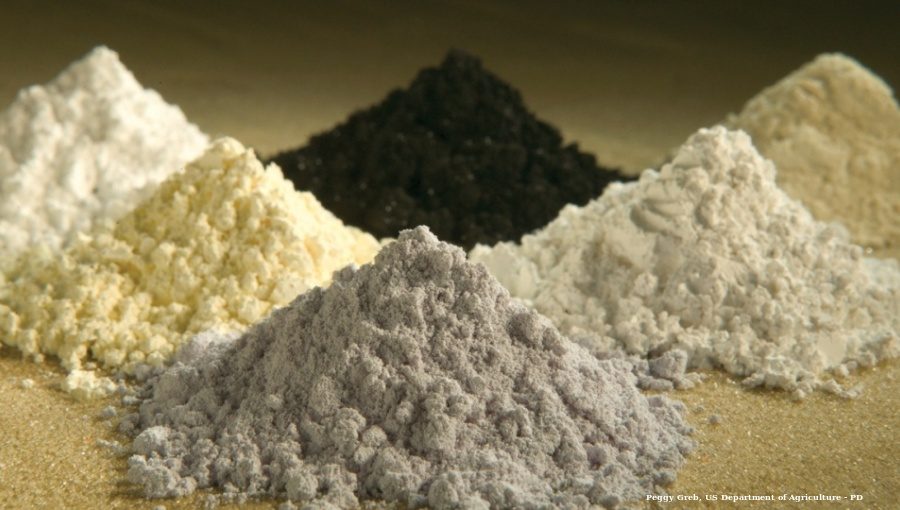
Myanmar holds significant weight in this equation as a leading producer of heavy rare earth elements like dysprosium and terbium. These metals are essential for permanent magnets used in electric vehicle motors, wind turbines and advanced defence systems. Together, Myanmar and China account for roughly 83% of the global mined supply of heavy magnet rare earths, IEA data shows.
However, translating diplomatic talks into actual supply chains will take years. Most of Myanmar’s production comes from Kachin state, a northern region bordering China that is partly controlled by the Kachin Independence Army (KIA). After the KIA seized main mining towns in late 2024, China’s share of rare earth imports from Myanmar fell to 52.8% from almost 60%, prompting Beijing to negotiate directly with the armed group.
India faces its own physical barriers. New Delhi shares a 1,000-mile border with Myanmar, but the terrain near Kachin is mountainous and entirely lacks transport links. Furthermore, India currently lacks the domestic processing capacity to utilize any raw materials it might import. Under its National Critical Mineral Mission launched in 2025, India aims to complete four mineral processing parks by 2030-31.
Funding for such infrastructure could come from the Quad Critical Minerals Initiative Framework, which has agreed to mobilise $20bn for eligible projects alongside Australia, Japan and the US. Yet US sanctions on Myanmar present a major complication. With the Trump administration showing little interest in the Quad and the potential for unpredictable new sanctions, any Indian-backed project in the region carries substantial sovereign risk.