EU dangles €500m in EIB loans to push Honduran power reform
The European Union is offering an €8 million grant and up to €500 million in loans to overhaul Honduras's troubled electricity grid, but only if Congress passes a politically difficult reform that could signal the country's readiness for broader foreign investment.
The European Union has offered Honduras an €8 million grant to support a power-sector overhaul, with the promise of up to €500 million in European Investment Bank loans if the country's Congress approves the underlying reform legislation.
The immediate grant is modest, but the financing structure is explicitly designed as a catalyst. The EIB loans, which include an initial tranche of around €200 million, remain strictly conditional on parliamentary approval. Cristina Marín, the EU’s cooperation chief in Honduras, said "parliamentary approval was needed to unlock new investment." In practice, Brussels is using the prospect of cheap, long-term capital to overcome domestic political resistance.
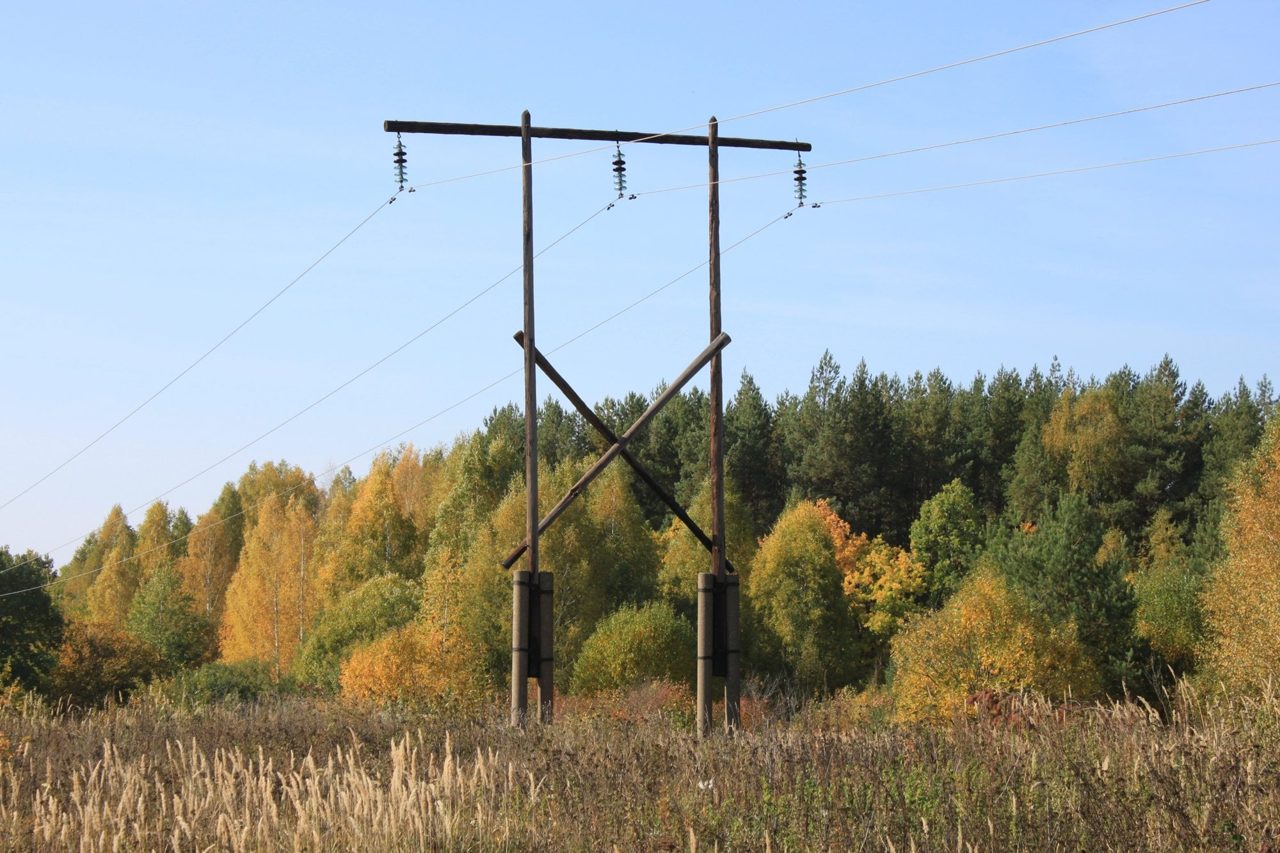
Honduras’s electricity system is currently constrained by debt, high transmission losses and unreliable supply. Resolving these structural deficiencies requires substantial capital expenditure on new generation capacity and network upgrades. This is exactly the type of large, patient investment the state utility cannot finance independently.
For market participants, the reform represents a broader credibility test for the Honduran government. Passing the legislation would signal that the country can successfully navigate the politically painful process of reforming a troubled state enterprise and disrupting powerful vested interests. Once a government establishes that reputation, it tends to attract private capital organically.
The EU already has an established leverage model in the country. Between 2021 and 2026, Brussels committed €173 million in non-reimbursable funds to Honduras. Officials note those grants successfully mobilized up to €700 million in additional investment. The new power-sector offer builds directly on this mechanism.
Reliable electricity is also emerging as a critical competitiveness metric across Central America, a region where ageing grids collide with rising demand. As multiple global powers court the isthmus, reliable power is the baseline requirement for attracting the factories and data centres currently scouting for new locations.
The immediate market focus is whether Congress will actually pass the reform to unlock the larger EIB financing. If approved, the secondary challenge will be execution, as Honduras attempts to translate European capital into a functioning modern grid.