Nigeria pivots to private farm mechanisation to curb $10bn imports
Nigeria has unveiled a policy framework to shift agricultural mechanisation from state procurement to private investment, aiming to attract capital to a sector blighted by a $10 billion annual food import bill and severe post-harvest losses.
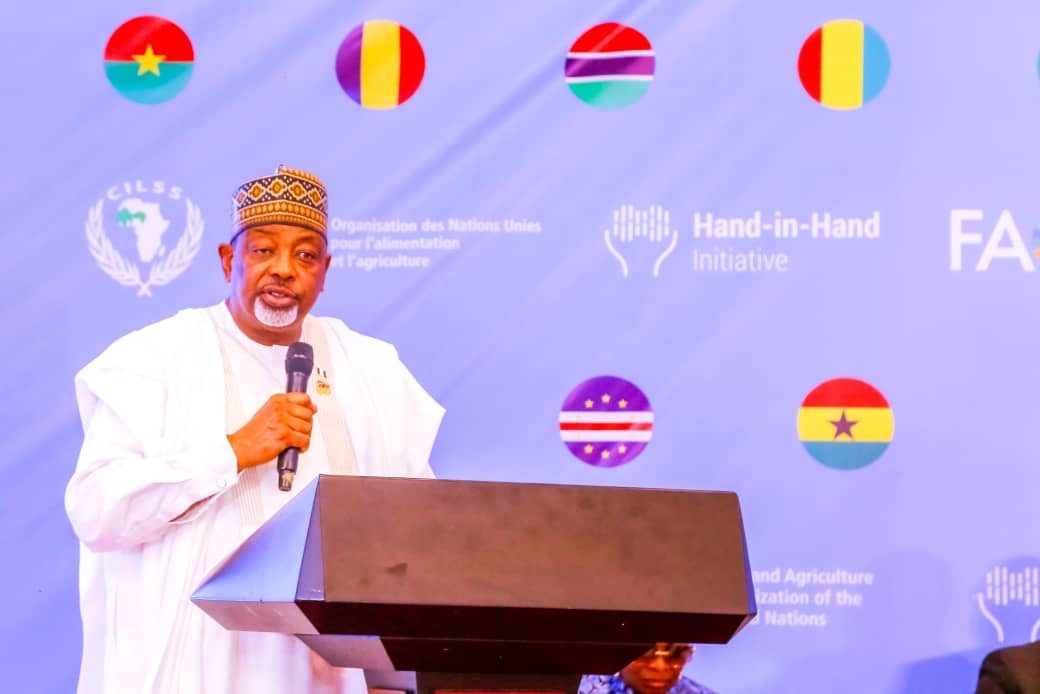
Nigeria's Federal Government introduced the National Agricultural Mechanisation Policy and its accompanying investment strategy in Abuja on Wednesday. The framework abandons the traditional state procurement model in favour of a system designed to draw private capital, technology and entrepreneurship into the agricultural sector.
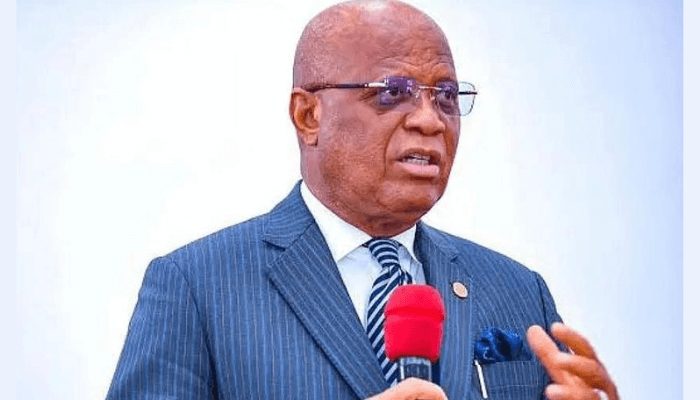
The push comes as the country grapples with a stark agricultural trade imbalance. Senator Abubakar Kyari, the Minister of Agriculture and Food Security, highlighted that Nigeria spends over $10 billion annually on food imports while earning less than $400 million from agro-exports. Furthermore, an estimated 30% to 60% of farm produce is lost before reaching markets due to logistical and processing inefficiencies.
To address these bottlenecks, the government is promoting a "Mechanisation-as-a-Service" economy, allowing farmers to access equipment on demand rather than bearing the capital cost of ownership. "The opportunity before us is therefore to build an ecosystem in which capital, technology, skills and entrepreneurship converge around one objective: making mechanisation commercially viable and widely accessible," Kyari said.
The state is currently procuring 2,000 tractors and over 9,000 implements under an existing programme. However, the new strategy specifically targets the development of domestic industrial capacity, including a mega assembly plant capable of producing 2,000 to 4,000 tractors annually to reduce reliance on imported machinery.
Backing the investment case
The mechanisation policy complements broader state interventions designed to de-risk agriculture for private investors. The government's Special Agro-Industrial Processing Zones programme is projecting an internal rate of return of 30.85% as it seeks to attract $4.4 billion in private investment to accelerate agro-industrial development.
Earlier this year, the government also approved a N250 billion facility for the Bank of Agriculture to provide single-digit interest rate financing to smallholder farmers. Combined with state-backed insurance and quarantine services, these mechanisms are intended to create a viable risk-return profile for private capital entering the mechanisation value chain.
Borno State Governor Babagana Zulum stressed the need for technological modernisation, stating, "We must build the agriculture of tomorrow. Agriculture must be mechanised and smart." Kyari similarly framed the sector as an emerging frontier for wealth creation, adding: "Our youths must not stand at the edge of the mechanisation economy. They must own, operate, innovate and lead it."