SpaceX, Northrop pass key test for $185B missile shield
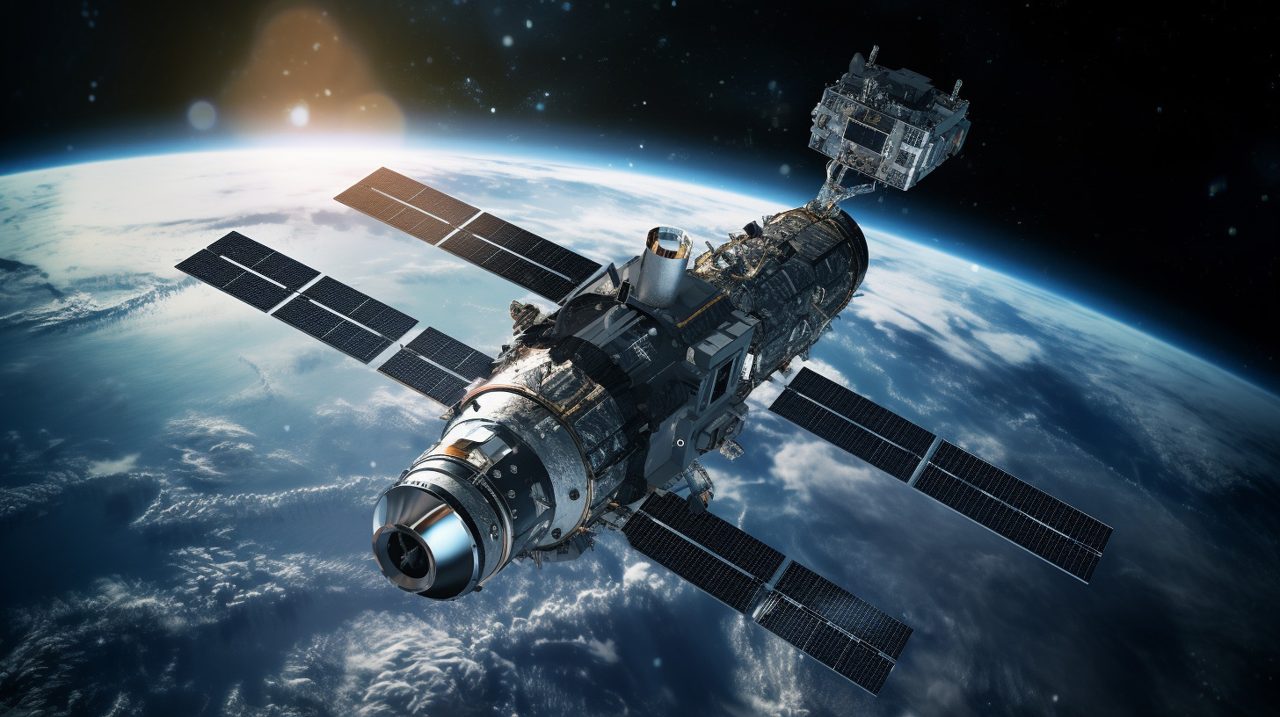
SpaceX and Northrop Grumman have passed the first round of tests for the $185 billion Golden Dome program, a milestone that could significantly expand SpaceX's emerging defense revenue streams.
SpaceX and Northrop Grumman successfully completed the first round of critical tests for space-based missile interceptors under the US Space Force’s $185 billion Golden Dome program on August 11. General Michael Guetlein, the Space Force official leading the initiative, stated the companies will now advance to a subsequent phase. This next stage requires demonstrating that their respective technologies can reliably operate in the space environment.
The milestone carries distinct weight for the two defense contractors. For Northrop Grumman, the program is a straightforward addition to an already established portfolio of military systems. For SpaceX, however, clearing this initial hurdle validates a broader strategic shift into the defense sector, offering a pathway to deepen a rapidly expanding national-security space business.
The Golden Dome architecture fundamentally requires the integration of communications, sensing, and launch functions. Recent contract awards indicate the Space Force is already leaning heavily on SpaceX to provide these exact capabilities. In May, the company secured a $2.29 billion contract to build the Space Data Network Backbone, a secure, high-speed satellite communications network connecting military sensors and weapons platforms globally.
That same month, SpaceX received a separate $4.16 billion deal for a satellite program specifically designed to track and target airborne threats. The buildup continued in July when the Elon Musk-led firm added $1.6 billion in orders to launch 18 Falcon 9 missions through 2027. These payloads are intended to carry Pentagon satellites critical to detecting and targeting airborne objects.
Despite this accumulation of high-value contracts and the successful initial testing, significant execution risks remain. The bear case centers on the timeline and feasibility of the overall program. Analysts have previously questioned whether SpaceX can deploy the required new technology efficiently and at a cost-effective scale capable of defending the United States. At this stage, the Golden Dome is still far from becoming a meaningful revenue stream for either company.
The core investor concern is the sheer scope of the undertaking. "It remains to be seen whether SpaceX and these tech companies will be able to pull any of this off," said one of the sources. "They've never had to deliver on an entire system that the nation will need to rely on for its defense."