Nigeria fuel subsidy removal averted N53trn fiscal hit
Retaining Nigeria's petrol subsidy would have cost N53 trillion and pushed the naira to 3,500 per dollar, the head of the Nigeria Revenue Service said, defending reforms crucial to stabilizing public finances and attracting downstream oil investment.
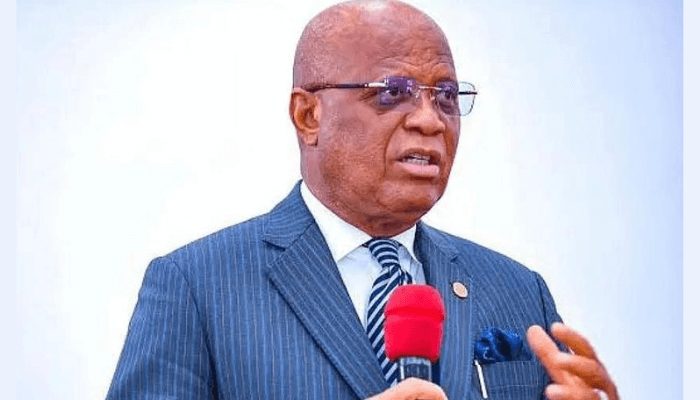
“The subsidy today would have been N53 trillion if Mr President had not removed it, given what is happening in Iran, given what is happening globally,” Zacch Adedeji, chairman of the Nigeria Revenue Service, said during a televised interview. “And I tell you the ripple effect of that. The exchange rate today would have been at N3,500 if that had not been done.” Such an obligation would have consumed an unsustainable share of the national budget, compounding the government's existing fiscal deficits.
President Bola Tinubu eliminated the petrol subsidy in May 2023, abruptly shifting fuel costs from state balance sheets to consumers. Adedeji rejected arguments that the state should have built fiscal buffers before the removal, noting the subsidy was entirely debt-financed. “Subsidy is not an income. It is like you are borrowing money to buy a product and that product is N10, and you are selling it at N3,” he said.
The NRS chairman tied the subsidy removal directly to subsequent foreign exchange reforms aimed at unifying the exchange rate. The previous system masked the naira's true value and deterred capital, whereas the current regime is designed to attract foreign investment. Continuing the subsidy would have simultaneously intensified demand for dollars to fund petroleum imports, compounding currency pressure and deterring the private capital needed for domestic refining.
However, the stark projections lack transparent methodology. Adedeji did not detail the assumptions driving these estimates, which would hinge on volatile variables like global crude prices, domestic consumption, and local refining capacity. This opacity leaves market participants questioning the precise scale of the averted crisis and the reliability of the N3,500 per dollar projection.
The economic trade-off remains a central debate for investors tracking Nigerian sovereign risk. While the government highlights improved downstream investment prospects, the immediate reality has been a sharp spike in transport and household costs. Adedeji described the removal as “the best thing that has happened to this country”, but markets are weighing whether these structural gains will materialize quickly enough to offset the drag on consumer demand.