South Korean shipyards pitch local integration for South American naval contracts
South Korean defense contractors are leveraging technology transfers and local shipyard partnerships to secure long-term naval maintenance revenue in South America, challenging traditional Western suppliers.
South Korean shipbuilders are advancing bids for submarine and frigate programs in Peru and Chile by offering deep industrial integration rather than simple hardware exports. HD Hyundai Heavy Industries and Hanwha Ocean are pitching local construction and technology transfers to secure decades-long maintenance and infrastructure contracts.
HD Hyundai already established a foothold in Peru through a 2024 agreement with state-run shipyard SIMA to build four surface ships. That contract, reported as the largest South American defense export by a Korean firm, integrated local drydocks and workers directly into the Korean supply chain.
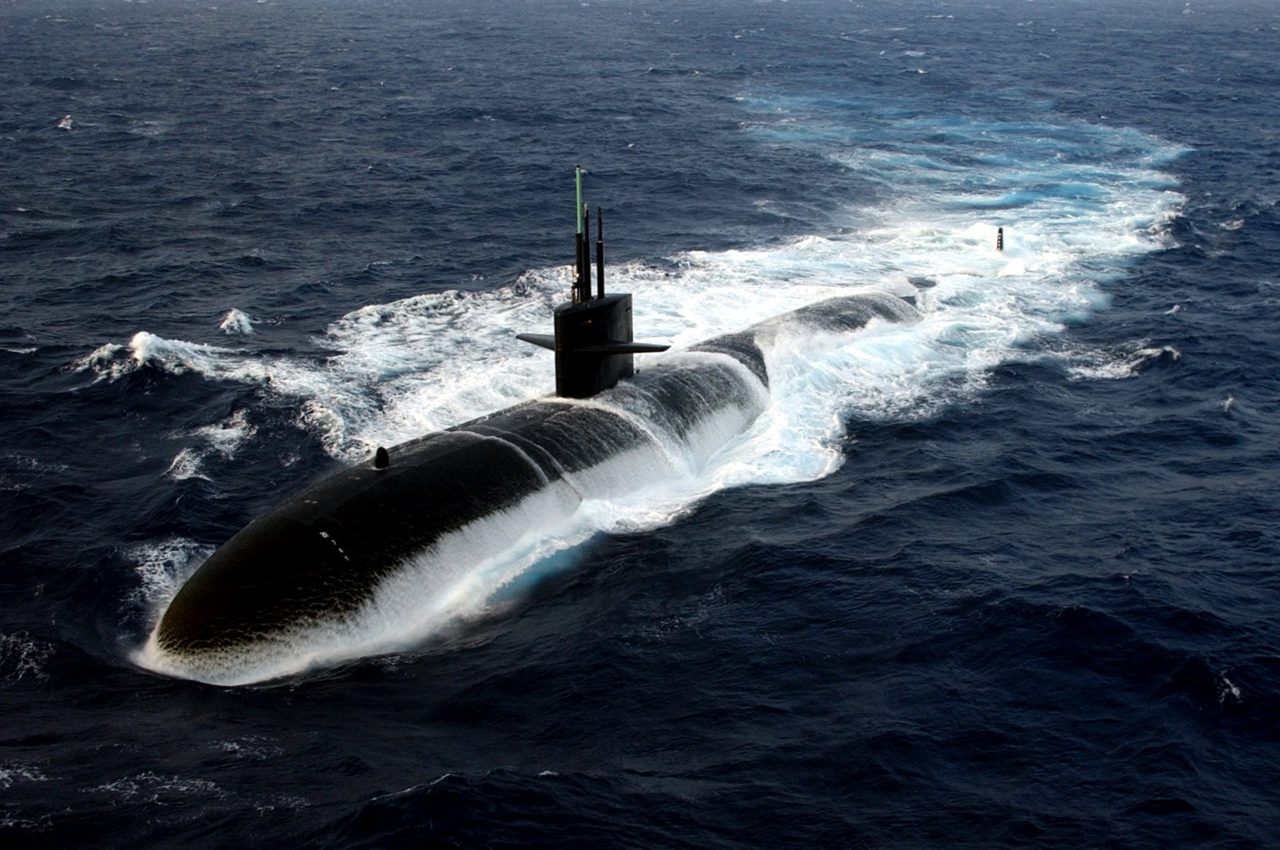
Building on that surface fleet deal, HD Hyundai is now pursuing its first-ever submarine export to the Peruvian navy. The companies have completed a basic design for a roughly 1,500-ton vessel, though a formal construction contract remains unconfirmed.
Concurrently, Hanwha Ocean is pursuing procurement programs in Chile by proposing its Ocean 2000 submarine and Ocean 4500 frigate platforms. These mid-sized vessels are engineered for exclusive economic zone enforcement, and the company is mirroring the local assembly strategy to appeal to Santiago.
This approach represents a structural shift in regional defense procurement, a sector historically dominated by European and United States contractors. By offering comparable technology at competitive prices alongside guaranteed local job creation, Seoul is making its bids difficult for South American governments to refuse.
For investors in port infrastructure and maritime logistics, this industrial integration alters the long-term economics of regional shipping. Capable, locally maintained navies improve the security of offshore energy terminals and shipping lanes, which can subsequently stabilize maritime insurance rates and freight costs.
The primary financial objective for the Korean firms extends far beyond the initial keel laying. Securing local shipyard capacity guarantees a steady stream of lucrative, decades-long maintenance and upgrade contracts that keep revenue and skilled labor within the host country.
Execution risks remain significant, as submarine construction is highly complex and local shipyards may struggle to absorb the required technology transfers. Project costs could escalate beyond initial estimates, and Chilean procurement timelines remain uncertain, leaving room for European competitors to counterbid.
If the Peruvian submarine deal proceeds, it could serve as a bridgehead for HD Hyundai to pitch similar vessels to other regional markets like Argentina. Market professionals will need to monitor which proposals convert into actual construction to gauge the true scale of this maritime shift.