Guyana's oil take rises after ExxonMobil recovers Stabroek costs
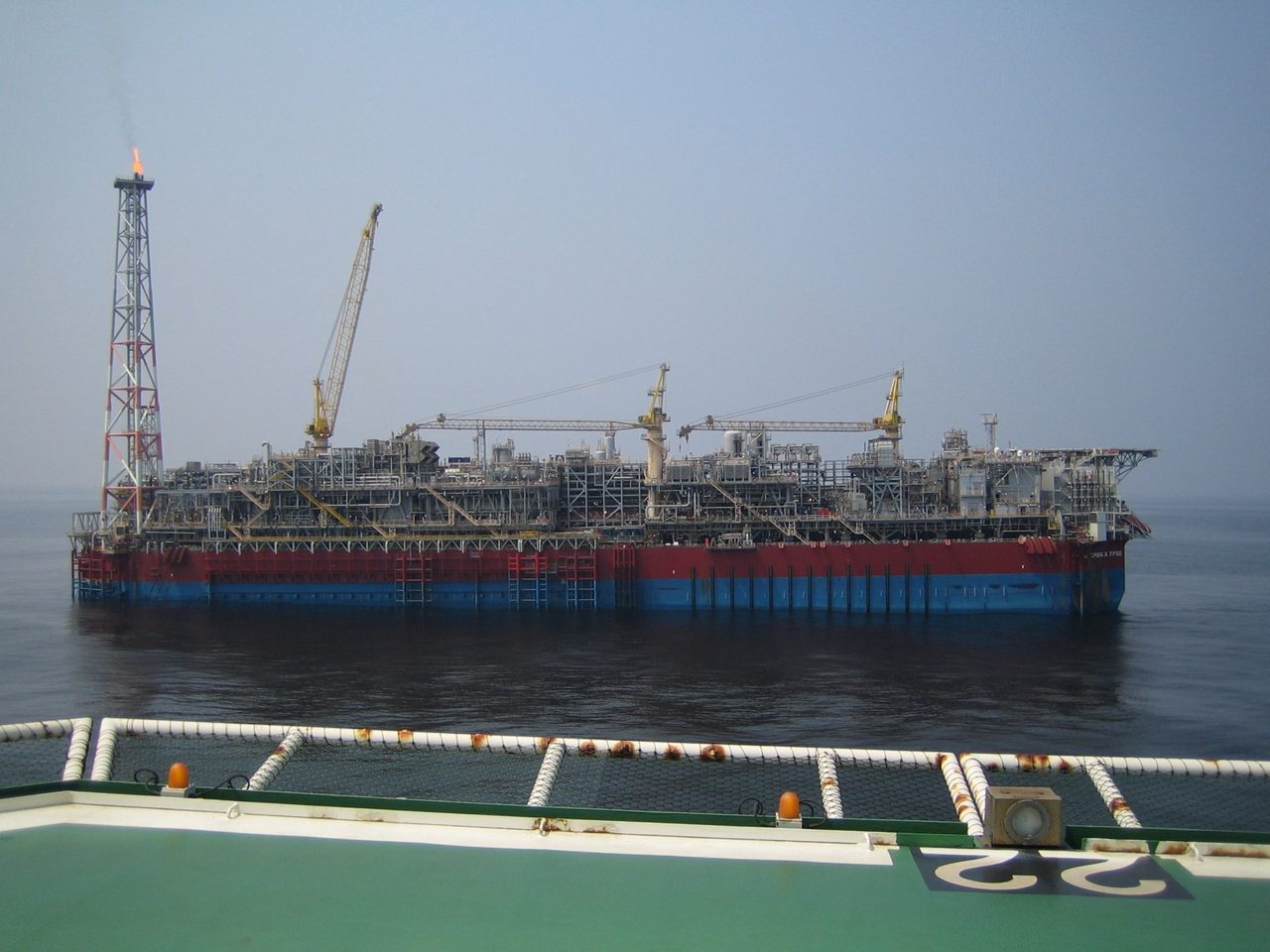
ExxonMobil's Stabroek joint venture has crossed the cost-recovery threshold, automatically lifting Georgetown's revenue share just as Washington deepens its commercial grip on the country's energy and infrastructure buildout.
ExxonMobil's Stabroek Block joint venture has recovered its initial development costs, a milestone that triggers an automatic increase in Guyana's share of oil revenue under existing production-sharing terms. The shift arrives as the US cements its position as Guyana's largest trading partner and top foreign investor, with bilateral commerce exceeding $25 billion over the past decade.
For investors, the cost-recovery threshold is the moment the financial model flips. During the recoupment phase, the operator and its partners retained a larger share of each barrel to claw back upfront capital. Now Georgetown captures more of every sale without renegotiating a single clause. The precise uplift will depend on crude prices and output, but the direction is fixed.
The timing matters. ExxonMobil operates seven approved projects and four floating production, storage and offloading vessels in the Stabroek Block, with additional capacity scheduled for 2026 and 2027. US imports of Guyanese crude averaged 261,000 barrels per day in April 2026, underscoring how quickly the country has moved from frontier exploration to a meaningful non-OPEC supplier for American refineries.
Beyond the wellhead
What makes this story more than a production update is where the money goes next. Guyana's finance minister has confirmed the US as the country's largest source of foreign direct investment, and Washington's State Department has stated openly that it is positioning American companies to lead in energy, infrastructure and mining. Some US funding is already tied to infrastructure supporting a bauxite project, pointing to a strategy that reaches beyond hydrocarbons into ports, power and logistics.
There is no single US-managed construction program. The approach is corporate-led, with Washington providing diplomatic cover and security guarantees rather than directing a national buildout. For executives weighing contracts in Georgetown, the practical signal is that American firms will have early visibility on tenders linked to enabling infrastructure.
That commercial posture now carries a security dimension. In 2025, Guyana and the US signed a memorandum of understanding on security cooperation aimed at safeguarding critical energy infrastructure and reinforcing investor confidence. The agreement does not spell out specific military commitments, but it adds a strategic layer to the relationship at a time when Venezuela's unresolved territorial claims over the Essequibo region remain a background risk for any long-horizon capital allocation.
Regional signal
For Latin America watchers, the Guyana model is being studied in Brasília, Bogotá and Caracas as a template for how Washington may engage other resource-rich economies: corporate-led, security-backed and oriented toward long-term supply chains rather than aid flows.
The immediate investment question is whether the next phase of spending stays concentrated offshore or translates into onshore contracts for logistics, construction and services. Guyana's growing state revenue gives it the fiscal capacity to fund diversification, but the direction of that spending and the identity of the contractors will be shaped heavily by the US commercial footprint already in place.
For portfolio managers with emerging-market energy exposure, the Stabroek cost-recovery milestone is less a headline event than a structural repricing: higher sovereign take, expanding output and a deepening alliance with the world's largest economy. The barrels were always going to flow. The contest now is over who builds what comes after them.