Bulgaria exits Ukraine coalition, testing EU sanctions consensus
Bulgaria has withdrawn from a Western-backed military support coalition for Ukraine, signalling a widening rift in European sanctions consensus that threatens to complicate the bloc's unified economic stance against Moscow.
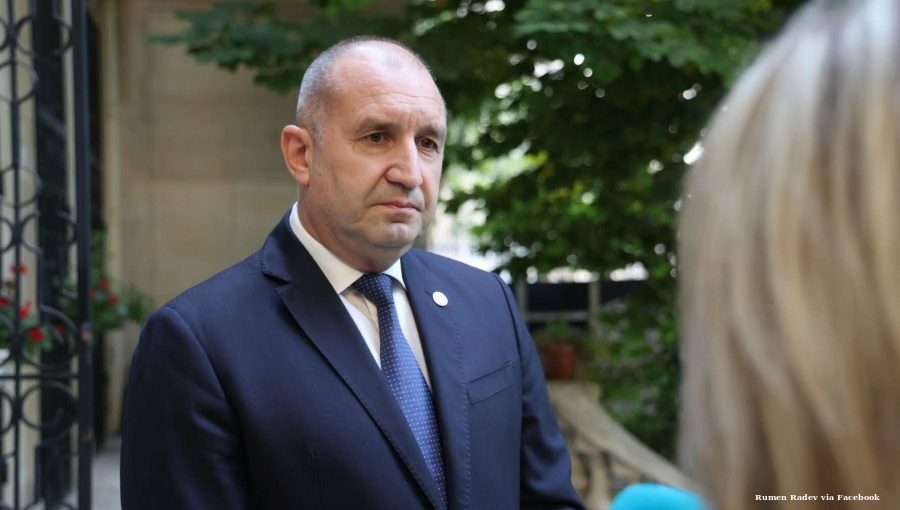
Prime Minister Rumen Radev confirmed on July 14 that Bulgaria is leaving the "Coalition of the Willing," a France- and Britain-led group of more than 30 nations coordinating military aid and long-term security guarantees for Ukraine. Radev, speaking to broadcaster bTV from Paris, said he declined a direct invitation from French President Emmanuel Macron to attend the coalition's July 13 summit, which drew around 25 heads of state and government.
"I don't believe Bulgaria's place is in the Coalition of the Willing," Radev said. "We're not part of a coalition pushing for continued financial and military aid to Ukraine. We don't provide aid of that kind because I believe the solution to this conflict lies in a strong diplomatic effort to end the escalation rather than prolonging it through military means." He stated Bulgaria would instead pursue its security commitments through NATO and the EU, arguing collective defence decisions belong in those organisations rather than ad hoc coalitions.
The departure marks a definitive break by Sofia from the European Union's mainstream policy on Russia since a new government took office following April elections. Last month, Bulgaria halted deliveries of weapons from state military stockpiles to Kyiv. Radev cited the need to prioritise domestic security and economic stability, effectively freezing a pipeline that had previously supplied Ukrainian forces.
For investors and corporations, the most significant ripple effect lies in Bulgaria's newly assertive stance on EU sanctions, a core mechanism governing European trade and capital flows with Russia. Sofia recently threatened to veto the bloc's 21st sanctions package. The government demanded the removal of Russian Orthodox Patriarch Kirill and businessman Vagit Alekperov from the blacklist, dropping its veto only after one name was struck.
This economic framing has drawn immediate comparisons to Hungarian Prime Minister Viktor Orban, who has routinely challenged the EU's Russia strategy. Radev has long argued against Western arms deliveries and previously clashed publicly with Ukrainian President Volodymyr Zelenskiy in 2023 over military aid. The emergence of a second Eastern European government willing to disrupt consensus introduces fresh political risk into the bloc's unified economic front.