UK sets 2027 social media curfew for older teenagers
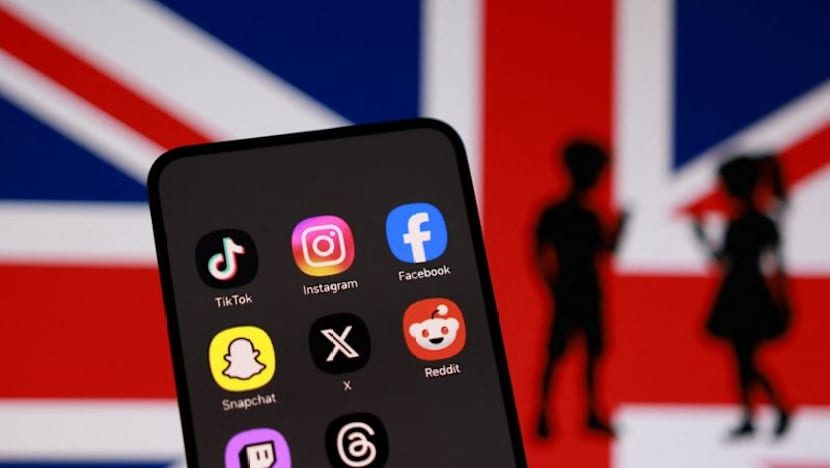
Britain is expanding its social media crackdown with a default overnight curfew for older teenagers, posing new compliance and product-design challenges for tech platforms by 2027.
Britain will introduce a default overnight curfew on social media apps for 16- and 17-year-olds, extending its planned outright ban for younger children. Under the new rules, affected users will be blocked from accessing platforms between midnight and 6 a.m. unless they actively override the default setting.
The policy also mandates that platforms disable engagement-boosting features, such as auto-playing videos, by default for this age group. The government cited the rules as a way to prevent a sudden loss of protections when teenagers turn 16. Technology minister Liz Kendall said the measures will be "crucial in helping young people get the sleep they need, focus on school and college, and spend more quality time with family and friends."
For social media companies, the regulations represent another layer of product design constraints in a major market. Platforms will need to build and maintain reliable age-verification systems and reconfigure user interfaces to comply with the mandated defaults. The first set of regulations will be laid before parliament by the end of this year, with enforcement expected to begin in spring 2027.
Execution remains a critical risk for investors to monitor. Advisers to Australia, the first country to implement a child social media ban, found that platforms are struggling to implement basic age-verification checks, rendering the ban ineffective. As the UK government has promised "robust implementation and enforcement," tech firms face significant technical and operational hurdles to meet these standards.
The regulatory push aligns with growing legal liabilities for the sector. In the past month, both Google and TikTok separately settled a U.S. lawsuit brought by a minor who alleged the platforms damaged his mental health. A study published on Tuesday found that overnight curfews produced the most consistent sleep benefits for teenagers, providing the government with empirical backing for its intervention.