Trump's 20% Hormuz Toll Threatens $115bn Annual Energy Levy
A proposed US toll of 20% on Strait of Hormuz cargo would impose over $115 billion in annual costs on energy flows, acting as a disruptive levy that accelerates fossil fuel demand destruction and inadvertently boosts the energy transition.
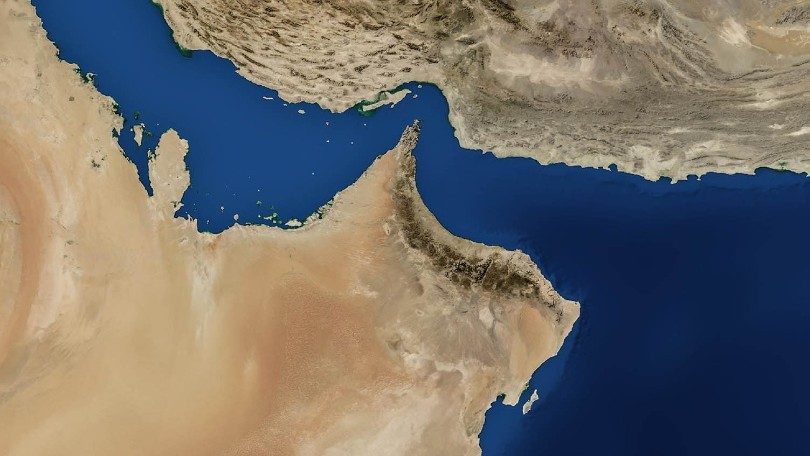
Donald Trump has proposed charging ships 20% of the commercial value of all cargo passing through the Strait of Hormuz. The levy would apply to the roughly 21 million barrels of oil and petroleum products, plus 10 billion cubic feet of liquefied natural gas, that transit the waterway daily. At $70 per barrel, the toll would extract roughly $107 billion annually from oil shipments alone.
Including Qatari LNG valued at $10 per million British thermal units, the annual charge could approach $115 billion under moderate price assumptions. Because it is structured as an ad valorem charge rather than a fixed fee, the absolute cost would automatically rise alongside commodity prices, amplifying rather than cushioning market shocks.
The direct 20% fee represents only the baseline cost increase for commodity traders. Insurers and financiers would immediately price in the uncertainty of competing toll claims and shifting maritime access rules, driving up war-risk premiums, collateral risk and contract margins.
Markets will attempt to adjust by redirecting crude through pipelines connecting Saudi Arabia and the United Arab Emirates to terminals outside the Gulf. However, these bypass routes lack the capacity to replace Hormuz's full volume, and Qatari LNG has virtually no alternative to the strait.
Producers and shippers would absorb part of the toll, but import-dependent economies, refiners and utilities would ultimately bear the substantial remaining share. This cost transfer would make Gulf fossil fuels immediately less competitive against supplies avoiding the strait.
An Accidental Carbon Price
For energy markets, the proposal functions as a massive but structurally flawed carbon border tax. Combustion vehicles would lose ground to electric vehicles as oil costs rise, mirroring the mechanics of the European Emissions Trading System without any revenue directed toward decarbonisation.
Investors and utilities facing volatile LNG prices would find greater value in industrial electrification, heat pumps and renewable hydrogen. The shift would occur not because of underlying technology improvements, but because a new, permanent geopolitical premium has been attached to traded hydrocarbons.
The legal foundation for the toll is non-existent under international strait transit rights, particularly since the United States does not border the waterway. If naval protection establishes a precedent for taxing cargo, similar claims could emerge around other contested routes, permanently embedding structural risk into global supply chains.