UK growth forecast upgraded as AI cushions Iran war impact
The IMF has upgraded its UK growth forecast as artificial intelligence investment offsets Middle East energy shocks, though the fund warned that a tech valuation correction or renewed conflict poses severe downside risks.
The International Monetary Fund raised its UK growth forecast to 1% this year in a July update, up 0.2 percentage points from April, while leaving other G7 nations unchanged or lower. The Washington-based institution credited the resilience to artificial intelligence demand offsetting the economic drag from the war in Iran. Inflation is expected to return to the government’s 2% target by mid-2027, with next year’s growth forecast held steady at 1.3%.
For investors, the upgrade signals a reprieve from the aggressive monetary tightening initially feared when the Middle East conflict escalated. UK inflation unexpectedly held steady in May, and financial markets are now pricing in just one interest rate rise by next spring rather than several successive increases.
The improved outlook provides a modest tailwind for Andy Burnham, who is expected to become prime minister on July 17. The incoming leader will face immediate pressure to outline tax and spending plans ahead of an autumn budget, though the IMF data suggests the economy is less battered than worst-case scenarios predicted.
Globally, the IMF kept its growth projections unchanged at 3% for this year and 3.4% for next. “The modest slowdown reflects the effects of the war in the Middle East being partly offset by accelerated demand-driven momentum in the global technology cycle, thanks to advances in artificial intelligence (AI) and its adoption,” the fund said. The US is forecast to be the fastest-growing G7 economy at 2.3%, followed by oil-exporting Canada at 1.1%.
However, the baseline forecast remains highly fragile. Oil prices surged on Wednesday after Donald Trump declared a US-Iran ceasefire "over," reversing earlier declines triggered by a memorandum of understanding. The IMF noted that while emergency stockpiles have blunted oil price spikes, regional disparities are stark, with Asian liquefied natural gas prices up 50% compared to 25% in Europe.
The IMF warned that the full impact of disrupted fertilizer and fuel markets has yet to materialize. Energy importers lacking integration into tech supply chains have suffered the deepest hits. “Renewed conflict would propagate through a further increase in commodity prices and extended volatility, supply shortages, and exchange rate pressures,” the fund cautioned.
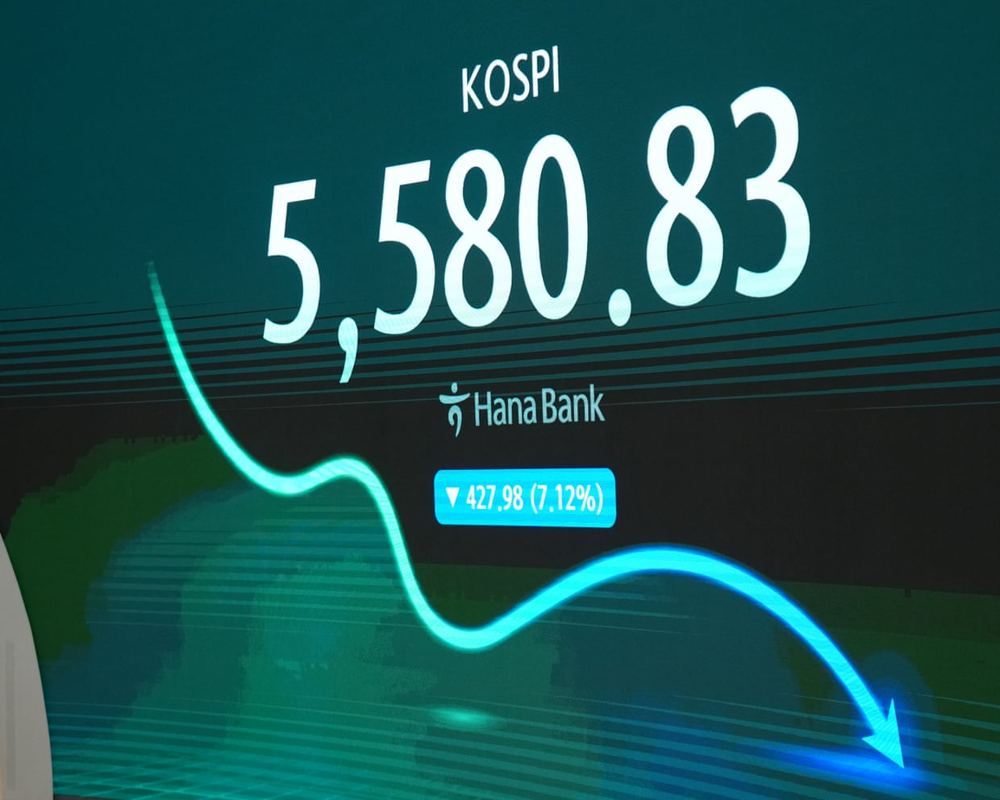
A second major threat looms over equity markets. The IMF highlighted the danger of “a possible correction in technology-driven expectations” that could impair global trade. “In such a scenario, investment in technology-intensive sectors could retrench abruptly, and frothy equity valuations, particularly in AI-exporting economies and markets with high concentration in technology firms, could correct sharply,” it said.
Responding to the report, Rachel Reeves emphasized the government's strategic focus. “Our choices mean the economy is in a better position to deal with the costs of the war in Iran while kickstarting long-term growth by focusing on our three big choices, boosting AI, regional growth and strengthening trade with the EU,” she said.