Commercial Vessels Abandon US-Backed Hormuz Corridor for Iran Route
Tankers are bypassing the US-backed Omani shipping lane in the Strait of Hormuz to use Iran's route instead, cementing Tehran's leverage over global energy flows as diplomatic efforts stall over a disputed clause in the ceasefire agreement.
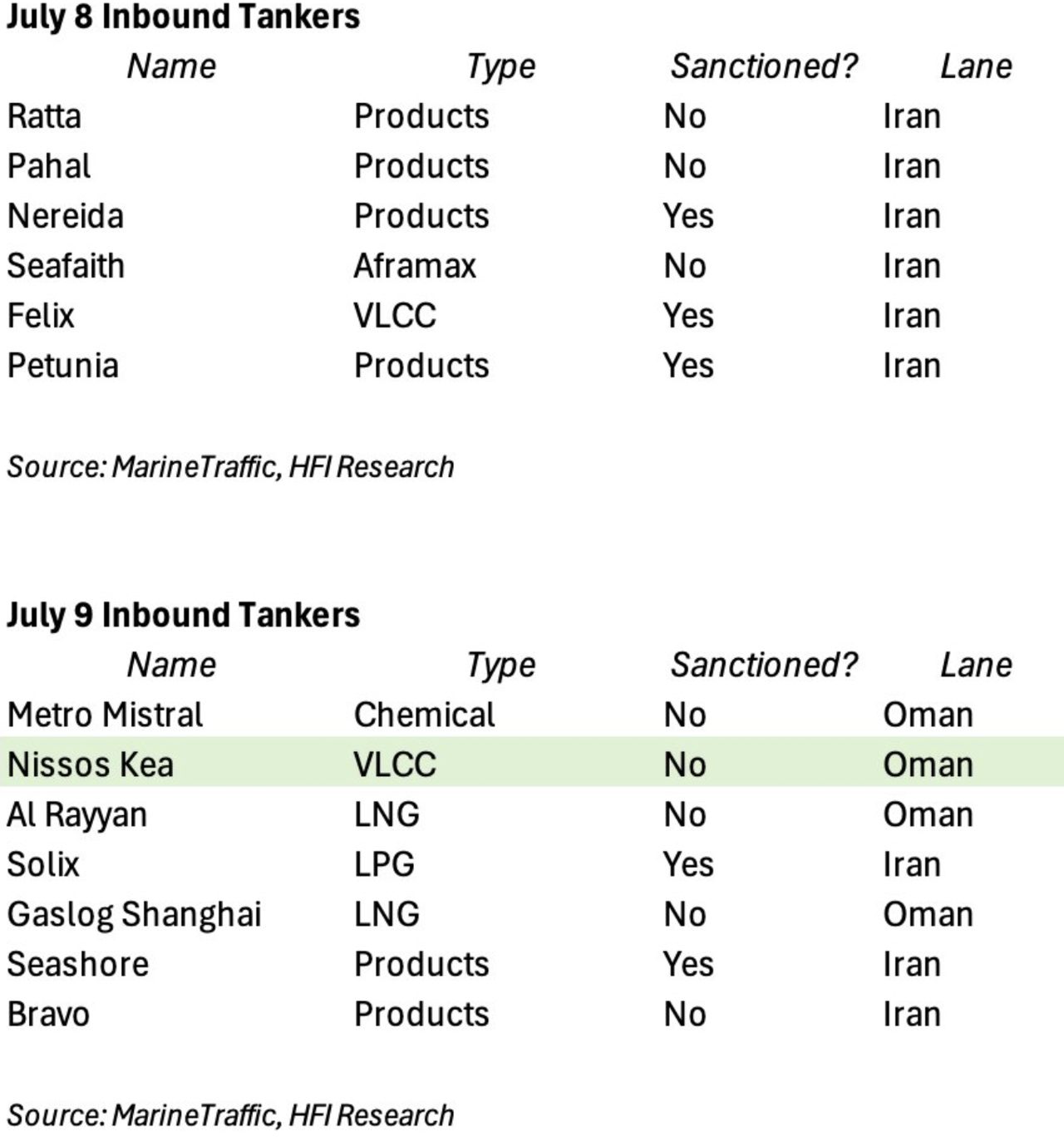
Commercial shipping has effectively abandoned the US-backed corridor through the Strait of Hormuz. Over the past 24 hours, approximately 10 merchant vessels transited via Iran’s northern route, while only one used the southern Omani lane. At least two vessels initially bound for the Omani corridor changed course to cross via Iran’s designated path instead.
This routing shift persists despite one of the heaviest US air deployments over the strait in recent months, involving multiple AWACS aircraft, refuelling tankers, drones and fighter jets. The military presence follows US strikes on roughly 90 Iranian military targets across Bandar Abbas, Sirik, Bushehr and Chabahar. Iran's IRGC responded by hitting US bases in Kuwait, Bahrain, Qatar and Jordan, with Iran's Health Ministry reporting 14 killed and 78 injured across five provinces.
For energy markets, the data indicates that military escorts are failing to restore normal transit volumes. The southern corridor has seen almost zero visible commercial traffic since July 7. The US successfully escorted one group of tankers through the Oman lane with their tracking systems turned off, but UKMTO and the US Navy are struggling to convince merchant vessels to return, warning that alternative routes "are not protected."
The physical disruption is rooted in a diplomatic impasse over the 60-day memorandum of understanding. The dispute centres on Paragraph 5 of the agreement. US officials viewed the clause as a mechanism to unlock the strait, but Iranian hardliners are using a maximalist interpretation to claim exclusive control over the waterway.
Analysts attribute the deadlock to structural flaws rather than temporary manoeuvring. “This gap in interpretation is wide, baked into the deal, and not exactly surprising,” said Michael Horowitz, an Israeli geopolitical analyst. “Iran’s behavior isn’t driven by financial motives but by security concerns and bargaining leverage. It’s a power dynamic.”
Eric Brewer, a former senior Iran analyst in the US intelligence community, said the MOU “papered over major differences between the U.S. and Iran on the key issues the agreement was intended to solve.” Unverified reports of renewed negotiations surfaced on Friday, alongside conflicting warnings that Iran is preparing another large strike within 30 hours. Until the interpretive gap over Hormuz is closed, Iran retains the ability to severely restrict global energy supply.