Nigeria Offers Shell Unprecedented Tax Relief to Secure $20B Oil Project
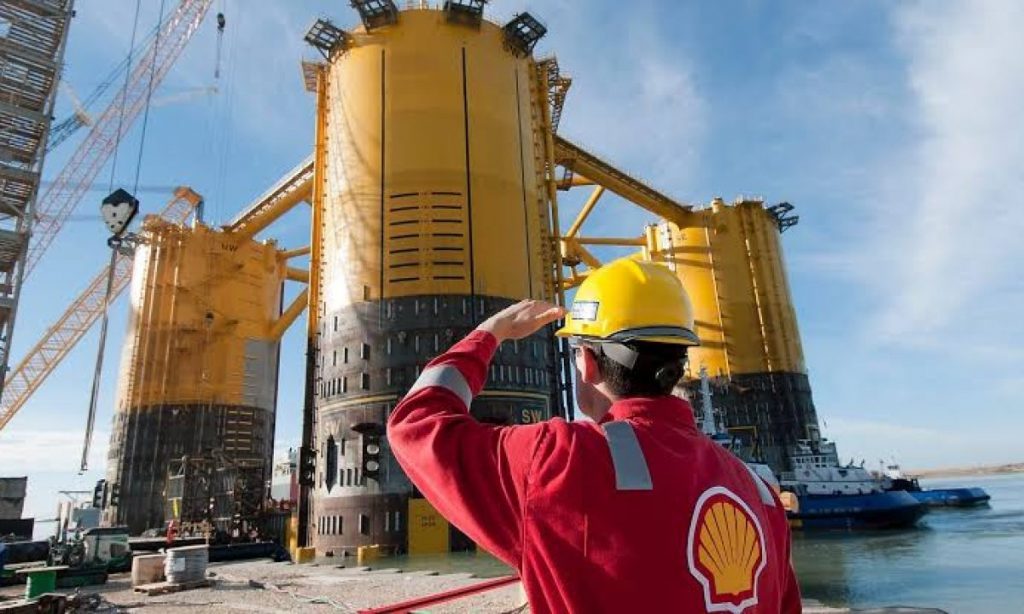
Nigeria is extending an $11.50-per-barrel tax credit to Shell and other oil majors for new deepwater projects, a critical fiscal gamble aimed at reversing years of production decline and securing billions in foreign investment.
Nigeria has approved an $11.50-per-barrel production tax credit for Shell’s Bonga Southwest Aparo deepwater project. The rebate, more than double the standard amount, aims to push the $20 billion development toward a final investment decision.
Previously, government policy capped such tax credits at 20% of a licensee’s annual tax liability to offset operating costs that the government itself acknowledged exceed the global average. That structure failed to attract the scale of capital required to reverse the sector's decline. The new per-barrel rebate represents a much more aggressive fiscal concession.
The incentive will not be exclusive to Shell. The government intends to extend this production-linked credit to other oil majors for new deepwater projects, keeping the policy in place until at least 2029. This broad application is designed to signal a definitive shift in Nigeria’s approach to upstream investment.
When completed, the Bonga Southwest project is expected to unlock 150,000 barrels of daily production. Shell confirmed it continues to progress the project toward development but stated it will release material updates through official channels. The Nigerian National Petroleum Co. declined to comment.
The tax break is the latest in a suite of executive orders deployed since President Bola Tinubu assumed power in 2023. His administration is attempting to revive an industry hobbled by pipeline vandalism, crude theft, and waning investor confidence. Those policy interventions are showing early signs of success.
National output climbed to a daily average of 1.56 million barrels in June. According to the Nigerian Upstream Petroleum Regulatory Commission, that figure represents the highest monthly production level since April 2020, indicating that underlying supply constraints are gradually easing.
Despite these operational improvements, the structural vulnerability of these fiscal incentives poses a distinct risk for executives allocating long-term capital. Because the tax relief is established via executive order, it remains susceptible to judicial review or reversal by a future president.
Recognizing this exposure, Shell has pressed the government to formalize the tax-credit order by publishing it in an official government gazette. Internal memos indicate officials are currently executing this step, a move that would provide the legal binding force required to underpin a multi-billion-dollar investment.