Trump drops Hormuz toll as US resumes Iranian port blockade
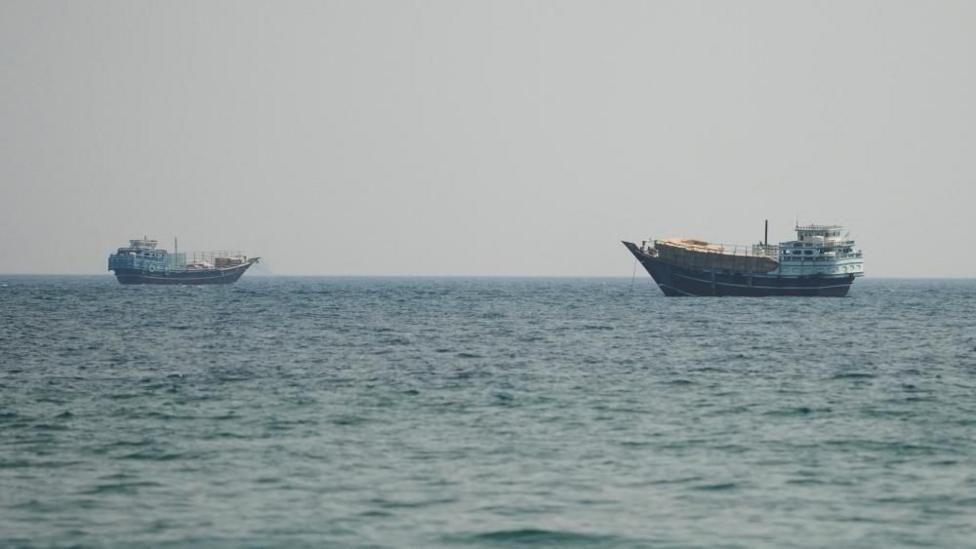
The reversal of a proposed transit fee offers little relief to oil markets as a US naval blockade and continued military strikes keep a quarter of global crude supply effectively trapped.
President Donald Trump abandoned his threat to impose a 20% fee on all cargo transiting the Strait of Hormuz, simultaneously announcing the resumption of a US naval blockade on Iranian ports. The policy shift, announced on Truth Social, replaces the proposed toll with pending trade and investment agreements with Gulf states. Trump provided no specifics on the deals, stating only that the incoming investments would be "MASSIVE."
For energy markets, the fee's removal is secondary to the physical reality on the water. Benchmark Brent crude prices spiked as shipping data showed traffic through the strait plunging to a two-month low. The chokepoint handles roughly a quarter of the world's oil and a fifth of its liquefied natural gas, meaning any sustained disruption translates directly into higher global energy costs.
The blockade resumes amid an escalating cycle of US and Iranian military strikes. US Central Command confirmed a third consecutive night of attacks targeting Iranian capabilities used against commercial shipping, with Iranian state media reporting blasts in multiple cities, including Bushehr. Tehran responded by claiming strikes on US military facilities in Bahrain and Jordan, alongside attacks on two United Arab Emirates tankers.
Iran’s Deputy Foreign Minister Kazem Gharibabadi warned that the new blockade "has, in a way, dismantled" a June memorandum of understanding that had briefly paused the conflict. The US originally imposed the blockade in April, a move that redirected 100 commercial vessels and disabled four others before it was lifted. By reinstating the embargo, Washington is intensifying its economic squeeze on Tehran, though Trump claimed the strait remains "open to ALL Ship traffic except for Iran."
Trump noted he reversed the fee after discussions with Gulf leaders, telling reporters that "it's not fair that we're protecting this Strait for the entire world." The regional risk is compounded by Israeli Prime Minister Benjamin Netanyahu, who warned any future Iranian attack would trigger retaliation "much more powerful" than before. For investors, the structural risk premium on oil is set to persist as long as the military operations and blockade continue.