Oyo school kidnappings highlight Nigeria's deepening security risk
Nigeria's Senate has rejected a call for a UN probe into the abduction of 46 people in Oyo State, exposing political friction over a security crisis that threatens regional investment and federal finances.
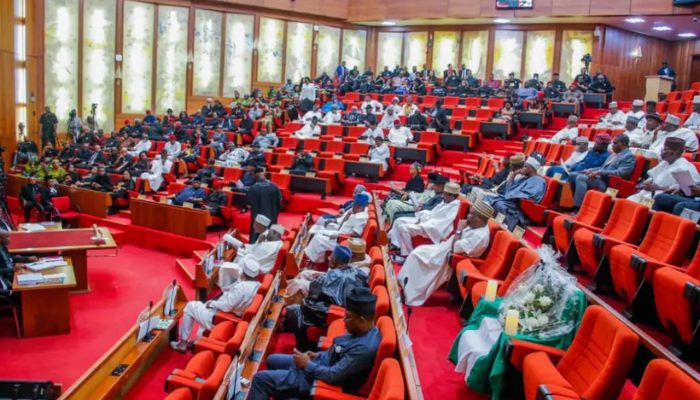
Nigeria’s Senate on Tuesday rejected a push by Oyo State Governor Seyi Makinde for a United Nations-led investigation into the abduction and rescue of schoolchildren in the Oriire Local Government Area. The upper chamber unanimously adopted a motion by Senate Leader Opeyemi Bamidele, describing the governor’s appeal as inappropriate and warning against politicising national security.
Terrorists abducted 39 pupils and seven teachers from schools in Oriire on May 15, 2026. Following a directive from President Bola Ahmed Tinubu, a coordinated military operation lasting more than 50 days secured their release on July 10. Eight suspected terrorists were arrested and several others neutralised during the offensive, which cost the lives of three security personnel.
For investors, the incident carries outsized significance because Oyo State is located in Nigeria’s southwest, a region historically insulated from the mass kidnappings that plague the north. The successful invasion of schools in this area signals a geographical expansion of armed groups, directly threatening regional business operations and the broader investment climate.
The political backlash against Governor Makinde also introduces governance risk. Senator Adams Oshiomhole criticised the request for an international probe, stating, “He should not be seen as undermining or downgrading an issue for which we should commend the government.” The Senate labelled the governor’s stance “most unstatesmanlike,” exposing a rare public rift between state and federal authorities over crisis management.
Lawmakers used the debate to highlight that the threat remains far from contained. Senator Adamu Aliero noted that schoolchildren remain in captivity in Borno, Yobe, Kebbi, Kaduna, and Katsina states, urging the government to “redouble their efforts to rescue abductees.”
To address the broader crisis, the Senate urged the Federal Government to expand military funding, modernise equipment, and improve surveillance technology. This push for intensified operations will likely add further pressure to Nigeria’s federal budget. The chamber also demanded the prompt payment of death benefits and insurance claims to the families of all fallen security personnel nationwide, a commitment that carries its own fiscal implications.