Stranded £40m asset leaves Dover port vulnerable to summer delays
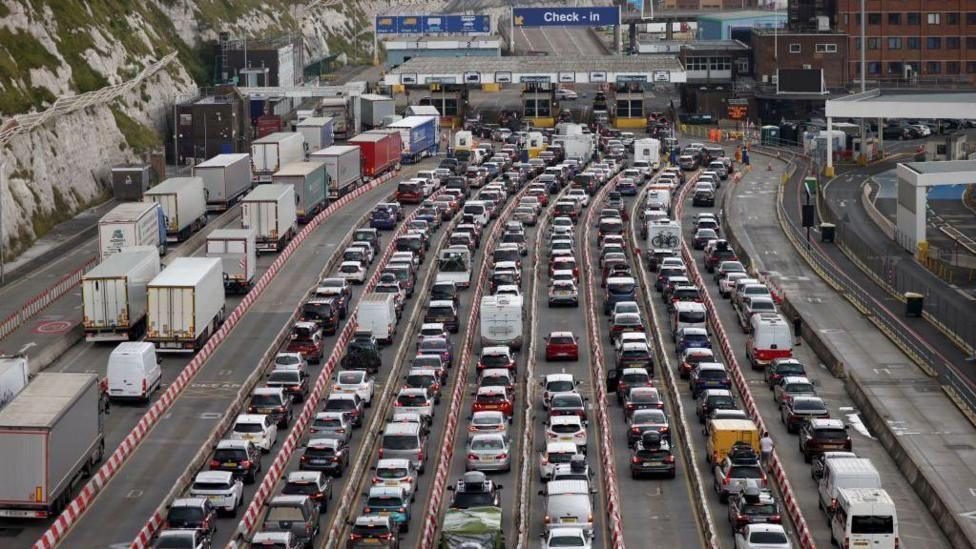
A £40m biometric processing facility at the Port of Dover sits idle after French authorities failed to activate the technology, threatening severe summer congestion and stranding a major capital investment.
A £40m border processing facility at the Port of Dover is sitting idle just days before the summer travel peak, leaving the UK’s primary European trade and passenger gateway exposed to severe congestion. The Western Docks installation, equipped with 84 kiosks to handle the EU’s new Entry Exit System (EES), cannot be used because French authorities have not activated the technology and have set no date to do so.
The EES requires passengers to register fingerprints and have a photograph taken to enter the Schengen Area. While most UK travellers complete this at foreign airports, Dover, Eurotunnel's Folkestone terminal, and London St Pancras must process passengers on British soil under juxtaposed border controls.
The stranded asset creates immediate operational risks as passenger volumes surge. The port expects roughly 7,500 outbound cars on Friday, climbing to 10,000 on Saturday, before hitting 10,500 on both July 24 and 25. These numbers approach the levels seen during the May half-term, when the port declared a "critical incident" as waits reached four-and-a-half hours for 8,500 outbound vehicles.
For the Port of Dover, the situation represents a significant capital inefficiency. Chief executive Doug Bannister noted the facility was built under intense pressure to meet EU timelines and was designed to manage peak volumes safely. "We delivered our Western Docks facility after investing £40m of our capital," Bannister said. "We can't use it. It is very disappointing."
The looming disruption has prompted fresh public spending to mitigate the bottleneck. The Department for Transport announced £20m in new funding on Monday to upgrade Kent's infrastructure, supplementing a previous £10.5m investment shared across English sites with juxtaposed controls. Transport Secretary Heidi Alexander has also lobbied her French counterpart, Phillippe Tabarot, for flexibility.
Despite these mitigations, Bannister warned that without EU concessions, the port will "face repeated episodes of severe congestion" this summer. The port has installed new border positions and secured French agreement on staffing levels. Still, the inability to utilize a bespoke, £40m infrastructure asset underscores the ongoing financial and operational friction of post-Brexit border arrangements for the travel and logistics sectors.