Futures ETF UNG loses 77% in five years as producers rally
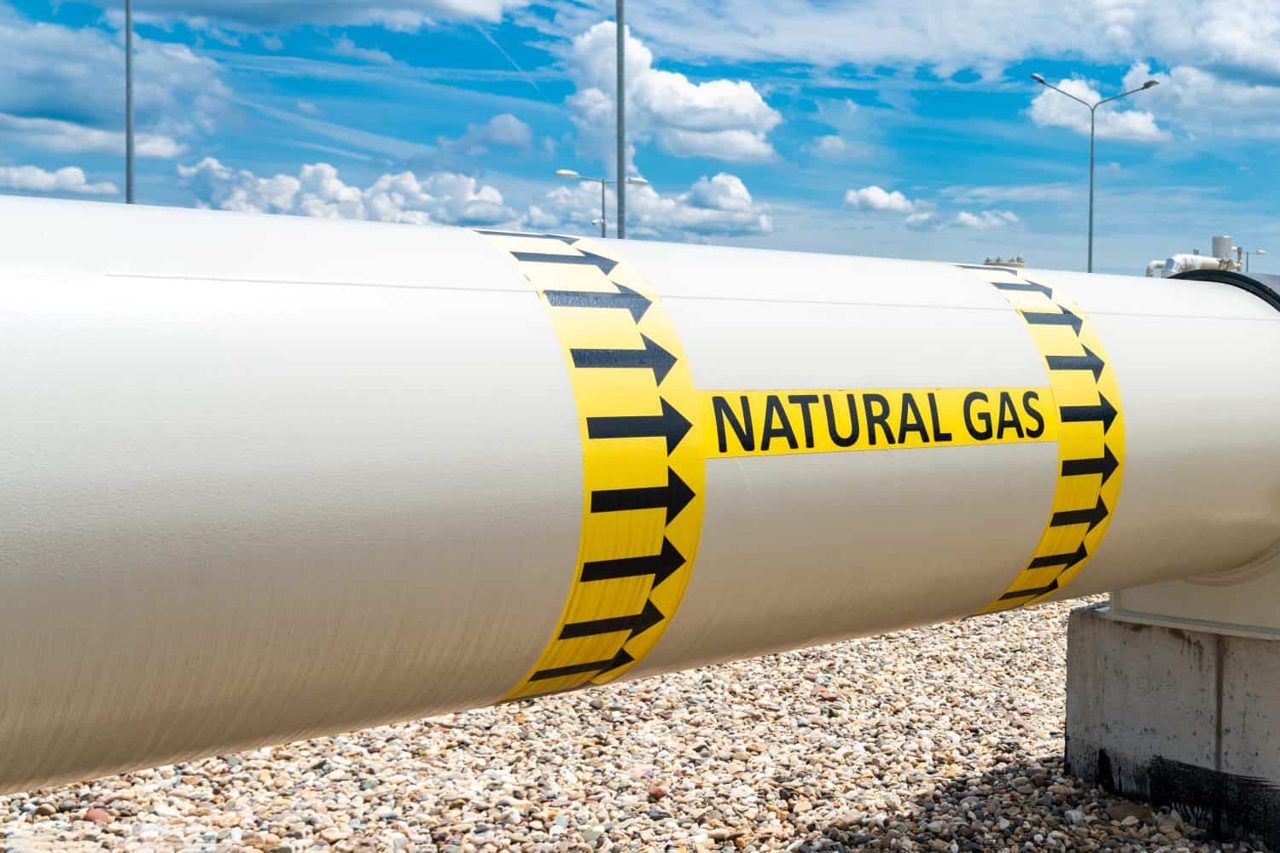
Retail investors betting on the US LNG export boom are losing money in futures-based funds like UNG due to contango roll decay, while equity funds holding actual gas producers capture the sector's volume-driven gains.
The United States Natural Gas Fund closed at $11.60 on July 7, posting a 22.17% loss over the past year despite Henry Hub spot prices remaining essentially flat at $3.33 per MMBtu. Over five years, the $447.76 million fund has lost 77.14% of its value. Over a decade, the erosion reaches 91.17%.
This underperformance stems from the fund's structure rather than weakness in natural gas itself. UNG holds front-month futures contracts alongside Treasuries and cash, requiring it to roll its positions monthly. When the futures curve sits in contango, meaning further-dated contracts trade above the near month, this routine forces the fund to systematically sell low and buy high.
The resulting roll decay compounds over time, destroying capital before a 1.24% expense ratio and an 18.32% cash position further mute any potential upside. Holders are left paying for exposure that erodes before the underlying commodity even moves.
Equity outperformance
Investors using the First Trust Natural Gas ETF have avoided this trap. FCG holds US natural gas producers rather than futures contracts, returning 16.69% year-to-date and 19.66% over the past year. Over the same five-year period where UNG lost 77%, FCG gained 99.52%.
The divergence underscores a fundamental dynamic in the current gas market. Producers generate cash flow on every thousand cubic feet they sell, meaning rising export volumes drive revenue even when spot prices stagnate. US marketed natural gas production grew 4% year-over-year in the first quarter of 2026, led by output from the Permian and Haynesville basins.
Export volumes to drive revenue
The structural demand supporting these producers is concrete. The Energy Information Administration's Short-Term Energy Outlook forecasts LNG exports averaging 17.0 billion cubic feet per day in 2026 and 18.2 Bcf/d in 2027, up from 14.9 Bcf/d in 2025. New facilities, including Golden Pass and Corpus Christi Stage 3, are actively coming online.
Looking further ahead, the EIA's Annual Energy Outlook projects total US LNG export capacity will reach 27.7 Bcf/d by 2030. For investors betting on this demand growth, the lesson is clear: volume expansion flows directly into producer revenue regardless of whether Henry Hub trades at $3 or $5. Equity exposure captures the LNG thesis; futures exposure merely pays for the privilege of rolling contangoed contracts.