Argentina needs tax, FX reforms to lock in investment rebound

Macroeconomic stabilization has driven Argentina's investment share of GDP above the Latin American average, but IERAL warns that lasting capital growth requires urgent structural reforms.
Leading Argentine think tank IERAL has concluded that the country must push past macroeconomic stabilization and implement deep structural reforms to convert recent investment gains into a durable economic expansion.
President Javier Milei’s aggressive fiscal consolidation has yielded measurable results. Monthly inflation fell from 25.5% in December 2023 to 2.7% a year later, and the government achieved a fiscal surplus. This newfound stability helped Argentina’s investment as a share of GDP surpass the Latin American average for the first time in decades, according to October 2025 IMF data.
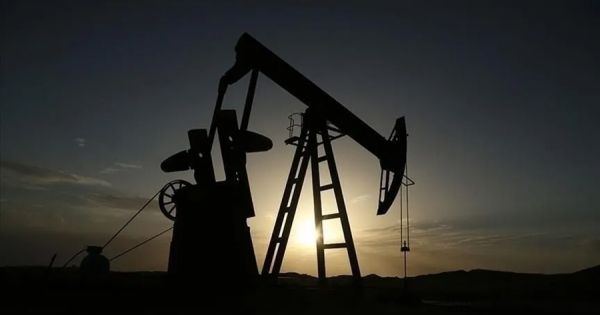
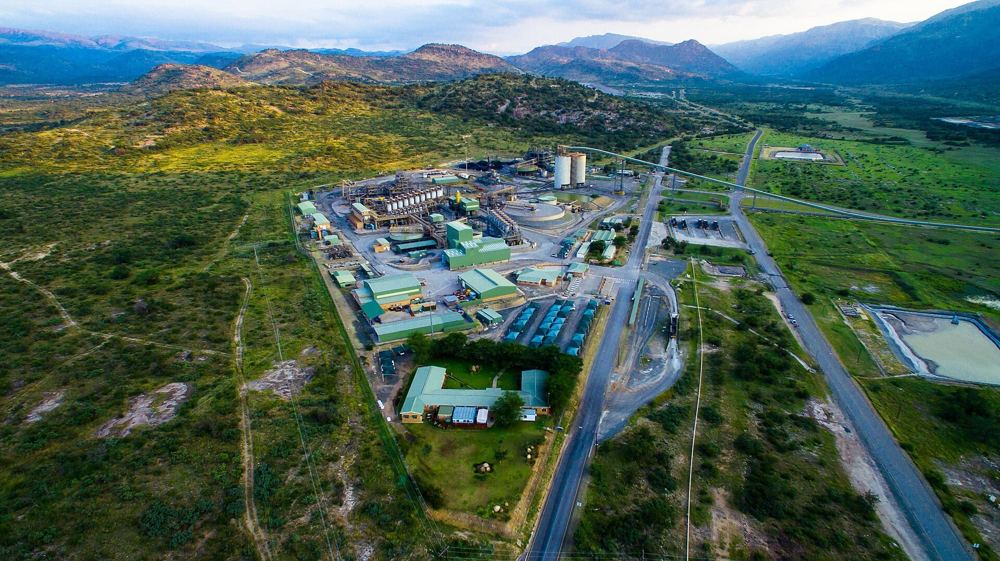
The capital influx, however, is highly concentrated. Mining, hydrocarbons, and agribusiness are leading the recovery, driven largely by the RIGI framework established under the Ley Bases law in June 2024. RIGI provides 30-year tax and regulatory guarantees for projects exceeding USD 200 million, effectively insulating major extractive investments from future political shifts.
The broader economy remains strained. Construction and manufacturing have contracted sharply due to tight fiscal policy and high real interest rates. Total credit stands at just 5% of GDP, an all-time low that severely restricts domestic firms and highlights the shallow depth of the current financial recovery.
IERAL, alongside the IMF, OECD, and World Bank, argues that this uneven dynamic will persist without further action. While a USD 20 billion IMF Extended Fund Facility led to the lifting of most currency controls in April 2025, foreign companies still face complications repatriating profits and accessing foreign exchange. Analysts also emphasize the need to replace gross receipts taxes with retail sales taxes, phase out export duties, and reduce labor severance costs.
For international investors, the stakes extend beyond Argentine borders. The country holds significant reserves of lithium, copper, and unconventional hydrocarbons, making it a critical node in Western supply chains for the energy transition. J.P. Morgan Private Bank noted in a 2026 assessment that Argentina is firmly back on the investor map. Yet, the US State Department’s 2025 Investment Climate Statement cautioned that remaining institutional bottlenecks and FX complications still pose tangible risks to debt repayment and returns, meaning the reform trajectory is far from complete.