MSC adds $3,000 surcharge on India-Nigeria shipping route
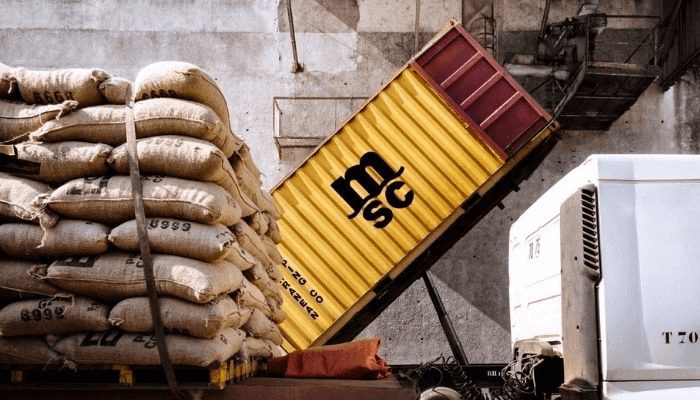
A new peak season surcharge from the world's largest container line threatens to significantly raise costs for pharmaceutical and motorcycle imports into Nigeria.
Mediterranean Shipping Company (MSC) will impose a Peak Season Surcharge of up to $3,000 per container on cargo moving from the Indian subcontinent to West Africa. The fee takes effect on July 10, 2026, and applies to all dry and refrigerated shipments originating in India, Pakistan, Sri Lanka, and Bangladesh.
“Due to strong demand on the trade between IPAK and West Africa, MSC Mediterranean Shipping Company will apply a Peak Season Surcharge (PSS) to all cargo from the Indian Subcontinent (India, Pakistan, Sri Lanka, Bangladesh) to West Africa,” the company wrote in a customer advisory. Shippers will be billed $2,000 for 20-foot containers and $3,000 for 40-foot containers.
The surcharge threatens to inflate costs for critical Nigerian supply chains. In the first quarter of the year, Nigeria spent N75.6 billion on pharmaceutical imports from India and N80 billion on motorcycles, while Pakistan accounted for a further N5.2 billion in pharmaceutical imports. At the July 13 Central Bank of Nigeria rate, the maximum $3,000 fee translates to over N4.1 million per container, squeezing margins for local distributors.
These localized costs reflect broader strains in global container shipping. Hostilities between the United States and Iran in late February disrupted commercial transit through the Strait of Hormuz, a critical corridor for containerised cargo moving between Asia and global markets. Combined with ongoing Houthi attacks in the Red Sea that force vessels to reroute around the Cape of Good Hope, these pressures have tightly constrained vessel availability and driven up operating costs.
While MSC cited only regional demand and limited operations for the new surcharge, the tighter global supply of ships provides the pricing power to implement it. Shipowners are currently absorbing sharply higher war-risk insurance premiums and navigating electronic interference affecting vessel navigation. The result is a cautious approach to routing that ties up ships for thousands of extra nautical miles per voyage.
For MSC, the Nigerian market remains strategically vital despite these operational hurdles. The company moves more than 200,000 Twenty-foot Equivalent Units (TEUs) in the country annually. In March, the carrier cemented its long-term commitment by signing a 45-year concession to develop a new container terminal at Lagos's Snake Island Port.
This is not the first time MSC has passed rising expenses to Nigerian shippers this year. Citing high domestic inflation in December, the company raised import documentation fees from N45,000 to N58,500 for 20-foot containers and from N72,000 to N93,600 for 40-foot containers. The latest surcharge suggests international logistics pressures are now compounding those local economic headwinds.