India's RBI cites oil price risks as FCNR inflows slow
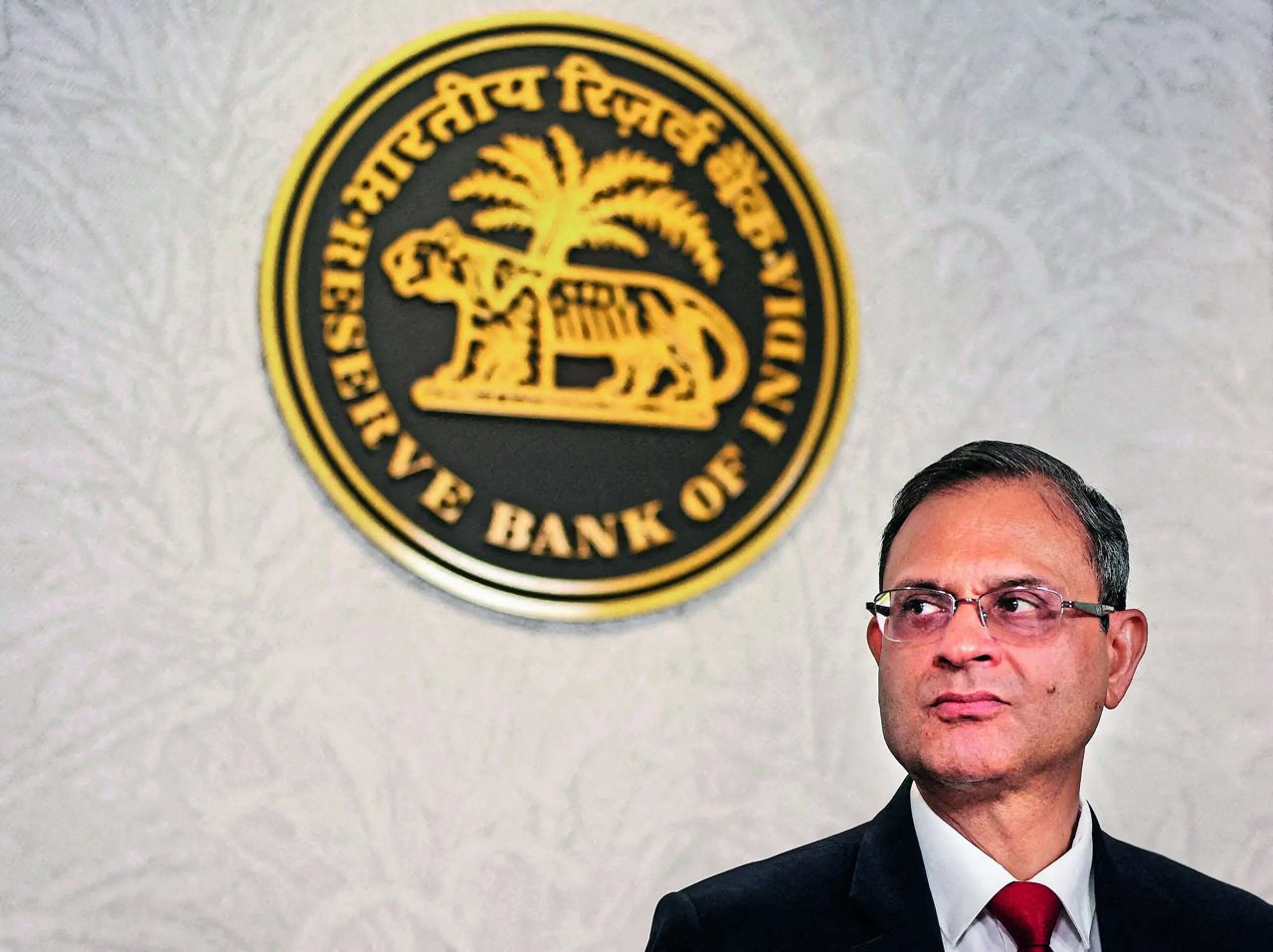
The Reserve Bank of India warned bank CEOs about escalating energy risks following a surge in oil prices, while a targeted $30 billion to $50 billion foreign currency deposit drive struggles to gain traction.
The Reserve Bank of India governor met with commercial bank chiefs to discuss escalating geopolitical risks. The talks primarily focused on the impact of rising energy costs on the domestic economy.
Brent crude futures have surged more than 9% to $83.30 per barrel. This followed a US decision to reimpose a naval blockade on Iran and launch fresh military strikes. "The governor discussed the increasing challenges India and the world would face due to geopolitical volatilities and the impact it will have on energy prices," said a person familiar with the deliberations.
As a net oil importer, India is directly exposed to this inflationary pressure. Meanwhile, a crucial capital buffer is proving difficult to assemble. Banks had anticipated mobilising between $30 billion and $50 billion through FCNR(B) deposits and external commercial borrowings before a special window expires at the end of September.
Volatile global markets and high rates demanded by foreign lenders have caused a slow start to these inflows. Executives provided the governor with estimates for their expected FCNR(B) takings, though specific figures could not be confirmed. The scheme was not a focal point of the broader discussions.
“Bankers did not have many points to make on the FCNR (B) flows since most of the points have been clarified in the FAQs. The governor mentioned that he had nothing to add on the FCNR (B) since the finance minister has already spoken to banks to enhance outreach for greater mobilisation of foreign currency deposits,” a second person said.
The agenda also covered operational and technological shifts within the banking sector. “Besides the current geopolitical scenario, the other points in the meeting were cyber security, forex retail and digital currency which the RBI wants to promote,” the second person noted.
For investors and bank executives, the meeting underscores a tightening operating environment. Lenders must navigate the immediate balance sheet stress from higher oil prices while attempting to secure expensive foreign capital to meet government mobilisation targets. Simultaneously, the central bank is directing resources toward digital currency integration and cyber resilience.