Central banks plan to reduce dollar holdings, favor gold
A new OMFIF survey shows a growing cohort of global reserve managers planning to reduce their dollar exposure over the next decade in favor of gold, signaling a strategic shift toward hedging geopolitical and fiscal risks rather than abandoning the U.S. currency outright.
Global reserve managers are preparing to reduce their exposure to the U.S. dollar over the next decade, marking the first time a majority has signaled such a shift in a survey by the Official Monetary and Financial Institutions Forum (OMFIF). Instead of replacing the dollar entirely, these central banks are increasing their allocations to gold. The precious metal has emerged as the reserve asset most favored for future accumulation.
This pivot represents a notable adjustment in a global financial system anchored by the dollar for decades. The U.S. currency still dominates global finance, retaining its status as the largest component of central bank reserves. Demand for U.S. Treasury bonds also remains strong, providing little evidence of an imminent, wholesale abandonment of the dollar.
However, the OMFIF data suggests a strategic shift toward risk mitigation. Reserve managers explicitly cited rising geopolitical tensions, climbing government debt levels, and shifting global trade relationships as their primary motivations. For these nations, accumulating gold and other non-dollar assets is a calculated move to avoid concentrating too much faith in a single financial system.
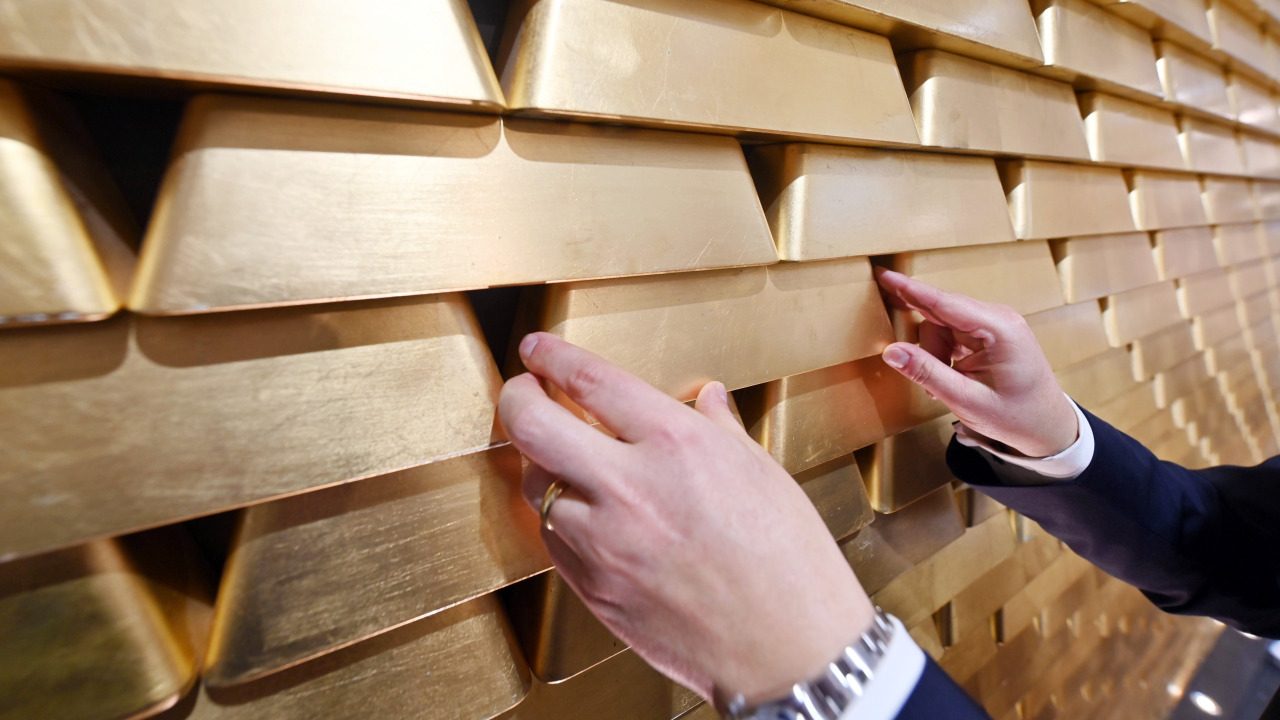
This institutional hedging has clear implications for global markets, particularly in commodities. Structural demand from central banks has helped push gold to near-historic highs, even amid recent volatility. The metal has surged more than 20% year over year and is up 112% over the past five years. Because gold cannot be printed at will by central banks and does not depend on any single country's economic policies, it serves as a generational store of value.
Market participants have taken note of this sovereign diversification. Bridgewater Associates founder Ray Dalio recently articulated a similar rationale in Time, writing that "gold is a money" that is "least at risk of being devalued." Dalio argues that investors should view gold primarily as a diversifier rather than an outright replacement for traditional assets.
For institutional investors and portfolio managers, the central banking community's evolving posture serves as a leading indicator of macroeconomic risk. While the dollar's dominant position in global trade and reserves remains intact, the steady, structural accumulation of gold highlights a growing consensus. Sovereign institutions are actively building buffers against a potentially more fragmented economic landscape over the next ten years.