Poor management drives $10tn global productivity loss
Widespread employee disengagement is costing the global economy $10 trillion annually, a figure Gallup's CEO blames squarely on poor management rather than the nature of work itself.
Global workforce disengagement has returned to pandemic-era lows, with roughly 80% of employees effectively checking out. The scale of this disconnect represents a massive drag on corporate bottom lines. Gallup estimates this lack of engagement drained roughly $10 trillion from the global economy in lost productivity last year alone, equivalent to about 9% of global GDP.
The underlying drivers of this economic drain challenge standard corporate assumptions. The crisis is not driven by a fundamental dislike of daily tasks. In fact, 80% of workers report enjoying the actual work they do.
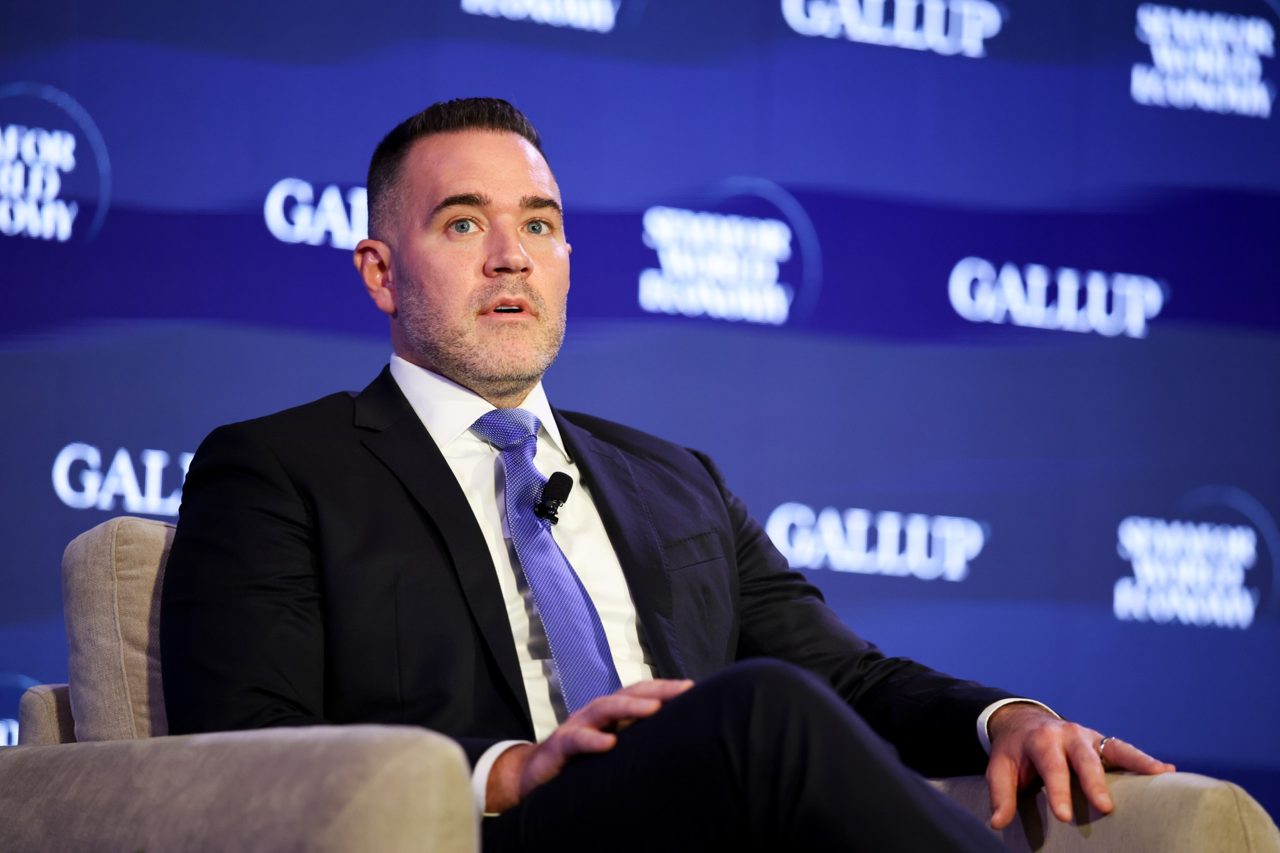
“The problem, therefore, is not work,” Gallup CEO Jon Clifton said at a Jobs for the Future Horizons conference panel on Monday. “The problem is the workplace.” Clifton characterized the current corporate environment as broken, joking that humanity is currently “closer to colonizing Mars than we are to fixing the world’s broken workplace.”
For investors and executives, the operational root cause points directly to middle management. Clifton highlighted internal research showing that managerial quality accounts for 70% of the variance in workplace misery. “If you don’t fix that, you’re going to drive the life out of those individual contributors,” he warned.
The rapid integration of artificial intelligence is only complicating this management deficit. Rather than boosting morale, AI adoption is currently fueling anxiety, particularly among younger demographics. Between 2025 and 2026, Gen Z's excitement about AI dropped 14% while feelings of anger rose 9%. “We’ve seen hope plummet,” Clifton said.
Aneesh Raman, LinkedIn’s chief economic opportunity officer, attributed this anxiety to a sense of fatalism. Workers feel the technology's trajectory is being dictated entirely by executives and technologists, stripping them of agency over their careers. Yet Raman argued the tools remain fundamentally agnostic. “AI is the easiest used technology humans have ever created,” he said, noting it could ultimately democratize access to expertise if deployed correctly.
The critical variable for unlocking this value is leadership. Employees who say their manager actively helps them use AI are eight times more likely to believe they have the opportunity to excel at what they do best. As Gallup concluded, realizing the economic potential of AI “runs through managers, not technology alone.”