Logistics Closures Erase 250 Jobs Amid Fresh Freight Bankruptcies
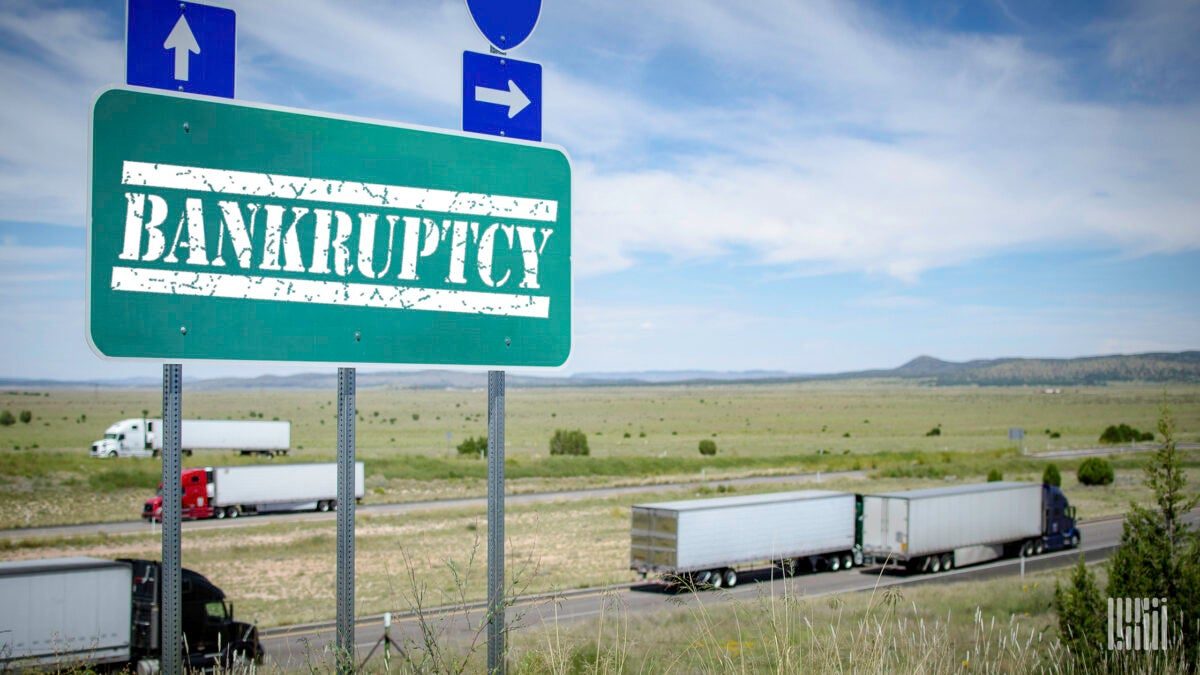
A wave of recent bankruptcies and facility closures across the US logistics sector signals deepening financial distress among smaller freight operators as soft demand continues to strain margins.
Four logistics and distribution companies are eliminating nearly 250 jobs across New Jersey, North Carolina, Illinois and California. The workforce reductions coincide with bankruptcy filings from nine transportation and logistics firms over the past two weeks, underscoring widespread financial stress across the freight economy.
The largest single layoff involves Fusion Transport LLC, which will cut 79 employees at its Piscataway, New Jersey facility on Oct. 1, according to a state WARN notice. The company, which provides freight management, e-commerce fulfillment and retail consolidation, has not confirmed whether the location will close permanently.
The recent bankruptcy docket reveals distress spanning trucking, freight forwarding, warehousing, trailer manufacturing and supply chain services. Jackson and Son Hauling LLC, a Virginia-based carrier with just two trucks and two drivers, filed for Chapter 7 liquidation on July 13. Victory Freight Corp. in California also filed for Chapter 7 on July 2, citing a multimillion-dollar legal claim among its primary liabilities. IPS Express Logistics Inc. of San Leandro, California, similarly sought Chapter 7 protection.
In a potentially more complex restructuring, Talon Logistics Inc. filed for Chapter 11 bankruptcy on June 29. The Woodland Hills-based drayage and intermodal carrier operates 40 to 50 power units. It has also invested heavily in zero-emission equipment, including electric and hydrogen-powered trucks serving the Los Angeles market.
For investors and market professionals, the clustering of these closures highlights the ongoing margin compression facing the US freight sector. Smaller operators are particularly vulnerable to the current environment of soft demand and elevated costs. Talon’s filing is especially notable, suggesting that the heavy capital expenditures required to transition to clean-fleet mandates may be exacerbating balance sheet vulnerabilities for regional carriers. Until freight volumes rebound, the sector will likely continue to see smaller players either consolidate or liquidate entirely.