Oil jumps on US-Iran strikes, Goldman sees Brent hitting $110
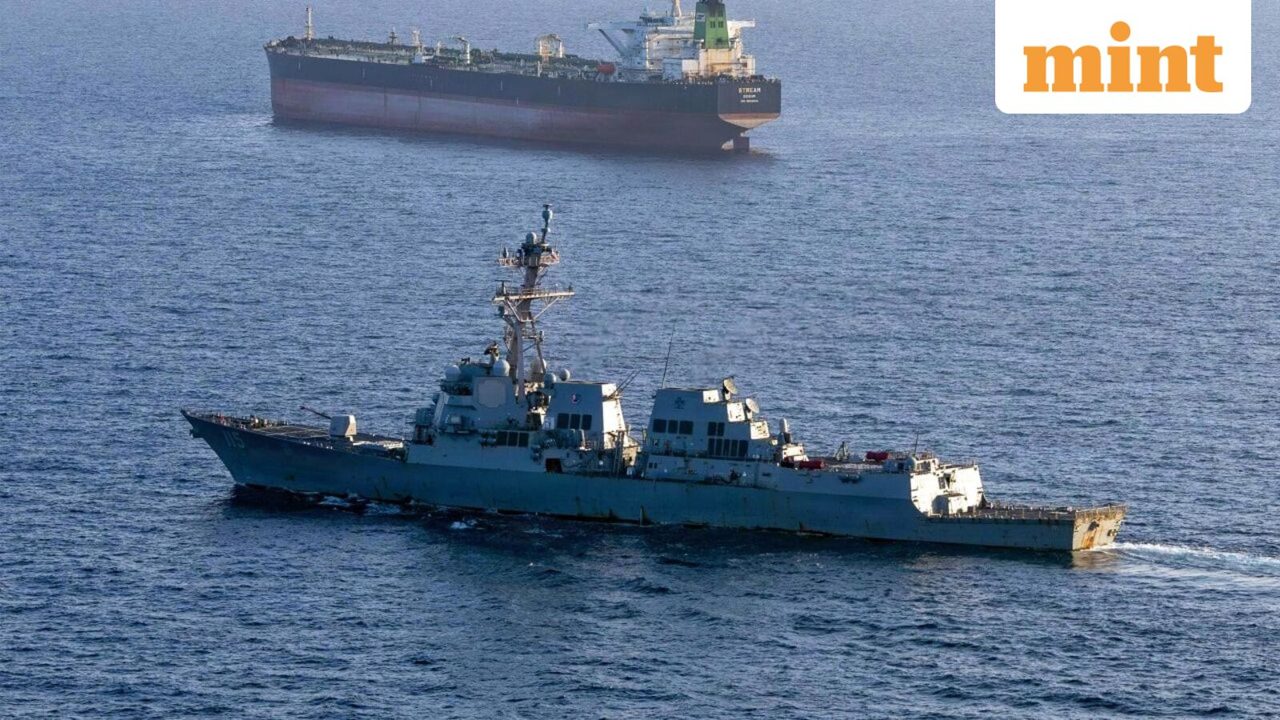
Crude prices surged to one-month highs as US military strikes on Iran raised the threat of supply disruptions through the Strait of Hormuz, creating a wide valuation divergence for energy markets.
Brent crude futures rose 33 cents to $85.28 per barrel on Thursday, while US West Texas Intermediate gained 42 cents to $80.02. The benchmarks extended gains for a fourth consecutive session, adding to a 12% surge over the previous three days and pushing prices near one-month highs.
The escalation followed fresh US airstrikes on Iranian military sites and the interception of an empty oil tanker bound for an Iranian port. US President Donald Trump pledged to intensify military action until Tehran stops attacking ships and reopens the Strait of Hormuz. According to The Wall Street Journal, Trump is considering targeting Kharg Island, which houses Iran's primary oil export terminal.
Iran has shown no signs of yielding, with the Islamic Revolutionary Guard Corps stating the strategic waterway will remain closed until US strikes end and port blockades are lifted. The standoff has already disrupted the "shuttle run" trade, where crude is transferred between vessels outside the Strait to bypass the conflict. This workaround had become a vital export channel for the United Arab Emirates.
Despite the closure threats, physical flows have not stopped entirely. US Central Command spokesperson Captain Tim Hawkins noted that American forces assisted double-digit vessel transits on Tuesday night. Nearly half of the roughly 300 ships that navigated the Strait over the past week received US escort.
For markets, the conflict is reversing nearly a 30% crude price decline recorded in the second quarter. It also compounds existing supply anxieties driven by frequent Ukrainian attacks on Russian fuel facilities and tankers. Investors are now forced to price extreme outcomes for the fourth quarter.
Goldman Sachs projects Brent could exceed $110 per barrel in the fourth quarter if Gulf export disruptions persist. Conversely, the bank forecasts a drop into the $60s by year-end if tensions ease and production rebounds quickly.
Aamir Makda, a commodity and currency analyst at Choice Broking, also expects prices to breach $100 per barrel. “Prices reflect psychological risk premiums, with the Strait of Hormuz's vulnerability playing a critical role in this shift. A military confrontation affecting navigation could trigger speculative buying, pushing Brent crude prices above $100 and creating stagflation risks,” Makda said.