Rig Shortage Threatens Venezuela's 194,000 Bpd Oil Recovery
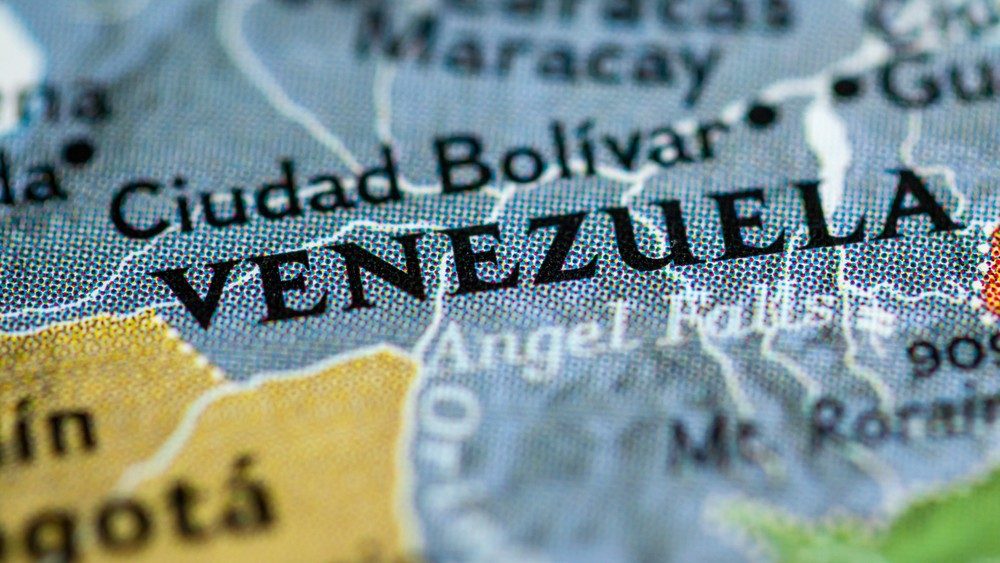
Venezuela aims to boost crude output by 194,000 barrels per day by 2028, but a severe shortage of drilling rigs and lingering fiscal uncertainty threaten to derail the recovery.
Venezuela is on track to increase its crude production by roughly 194,000 barrels per day by the end of 2028, according to Rystad Energy. However, achieving this 17% growth target relies less on discovering new reserves and more on overcoming a severe bottleneck in oilfield services. The country simply lacks the drilling rigs and operational infrastructure to execute its planned recovery.
The Venezuelan Oil Ministry estimates the industry will need 93 active drilling rigs by 2028 to meet production goals. Reaching that threshold requires a massive logistical effort spanning the reactivation of domestic fleets, the refurbishment of idle equipment, and the eventual import of foreign rigs. While local contractors have begun bringing equipment back online, international service providers remain largely sidelined. These global firms are waiting for concrete evidence that recent policy reforms will translate into a stable, commercially attractive operating environment before committing their own capital to mobilization costs.
International oil companies are expected to drive nearly two-thirds of the forecast production increase. Chevron leads this effort, leveraging its strengthened position in the Orinoco Oil Belt through brownfield optimization and phased development of the Ayacucho 8 block. Repsol and Eni are also expanding output, utilizing assets like the Cardón IV block and the Perla gas field to balance both crude and natural gas production.
Because roughly three-quarters of Venezuela's projected output through 2028 will consist of heavy, extra-heavy crude and bitumen, operational execution is paramount. The Orinoco Oil Belt alone is expected to account for 60% of total national production. This heavy crude slant makes continuous access to diluents, infill drilling, and mature field management far more critical than adding new reserves.
The 2026 Hydrocarbons Law introduced greater fiscal flexibility and expanded opportunities for private participation, representing the most significant structural reform to the sector in decades. Yet legislation alone cannot restore production. International operators have indicated that future capital commitments depend on further improvements to royalty rates and taxation. Lowering project breakeven costs through more competitive fiscal terms is viewed as essential to offsetting the operational complexity and long-term investment risks inherent to the region.
The reform momentum of early 2026 has successfully shifted the narrative in Caracas from whether the oil sector can reopen to whether it can scale. Ultimately, Venezuela's production trajectory over the rest of the decade will be defined not by the size of its resource base, but by its ability to rebuild operational capacity and secure competitive fiscal terms.