Guyana pivots from oil services to precision manufacturing
Guyanese contractors are now fabricating high-value subsea and drilling components for major offshore projects, a structural shift driven by strict local content laws that is creating a new industrial investment class alongside the country's extraction boom.
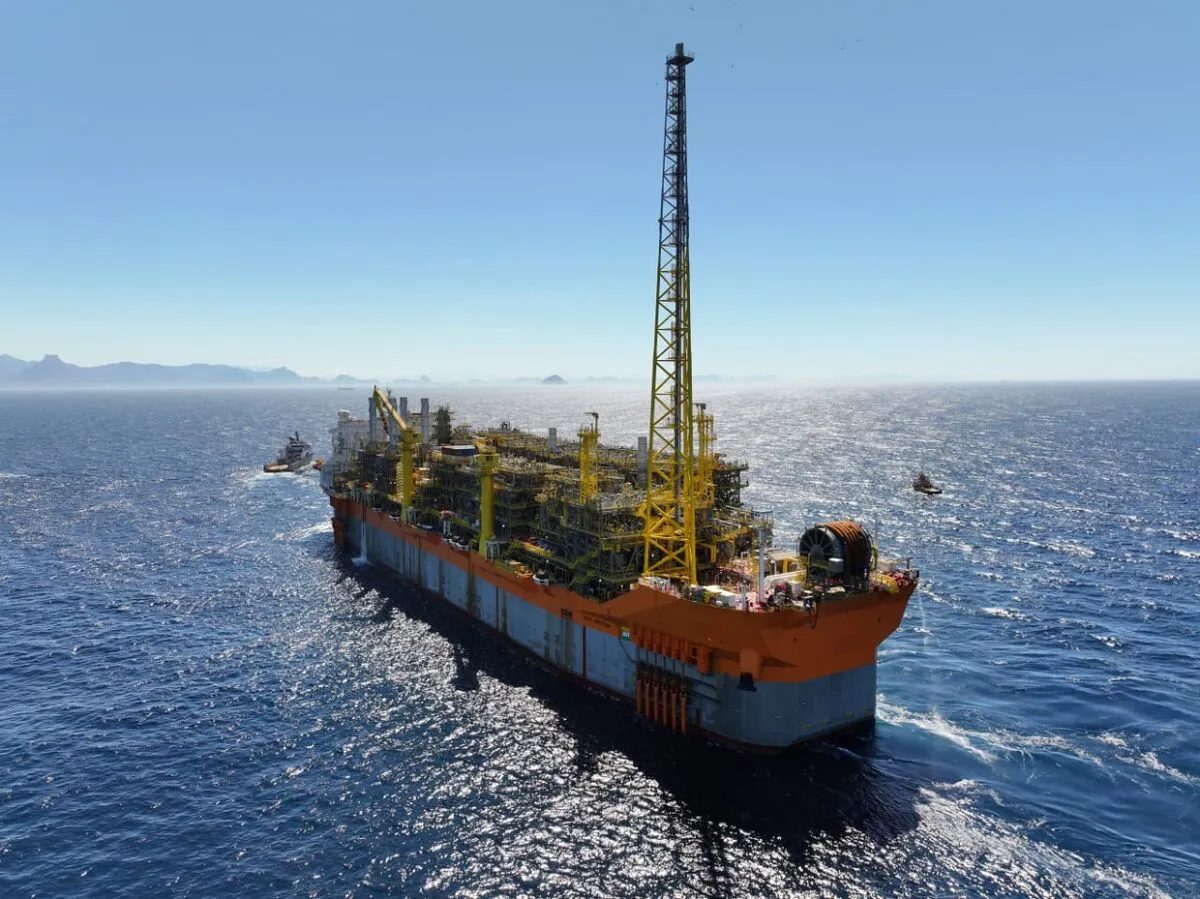
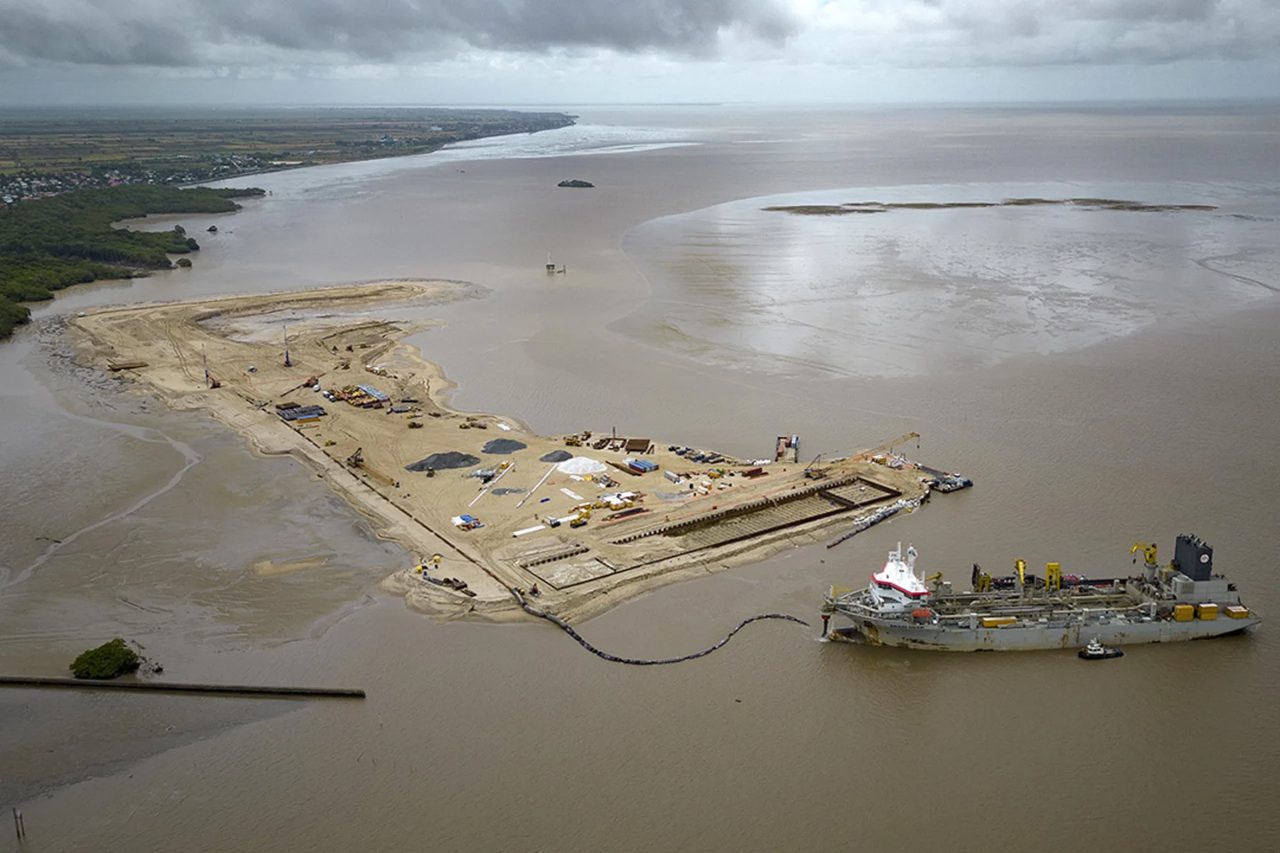
Guyana is moving beyond basic services to fabricate high-value subsea and drilling components for its offshore oil sector. At the Vreed-en-Hoop Shorebase, commissioned in January 2024, contractor Saipem is building subsea jumpers and pipeline end terminations. Three Guyanese companies are providing fabrication services for the Jaguar FPSO, while local machining shops now produce specialized downhole drilling accessories.
This industrial pivot is underpinned by massive procurement spending. Oil operators spent $743 million on Guyanese suppliers in 2024, with $612 million directed through 40 ring-fenced service areas. Since 2021, cumulative procurement has surpassed $1.5 billion, and ExxonMobil alone has spent roughly $2.5 billion across more than 2,000 local suppliers since 2015.
The catalyst is the Local Content Act 2021, which enforces rigid domestic participation thresholds. A certified Guyanese firm must be 51% locally owned, with 75% of senior management and 90% of non-managerial staff being nationals. A dedicated Local Content Secretariat polices these rules, having registered over 1,000 compliant firms to prevent foreign shell companies from accessing the supply chain.
Investment Implications
For institutional investors, this policy framework transforms Guyana from a pure resource extraction play into a diversified industrial economy with break-even costs of $25 to $35 per barrel. The shift reduces operational vulnerabilities tied to distant manufacturers and imported specialist labour. It also establishes a parallel investment universe in shorebase infrastructure, precision machining, and logistics that did not exist prior to 2021.
The macroeconomic backdrop supports this transition, with the IMF projecting average annual growth of 14% over the next five years. The Natural Resource Fund is expected to exceed $3 billion by the end of 2024, providing a fiscal buffer as the government eyes heavy manufacturing, refining, and power generation. Local firms already control 88% of cargo-carrying unit services and over 90% of freight forwarding.
The central risk for outside capital is whether these nascent fabrication workshops and machining operations can survive once policy incentives taper. The government must use the current window of high oil revenues to build durable industrial capacity before price cycles or the global energy transition constrain the sector. If local firms fail to compete on cost and quality without regulatory support, the industrialization narrative will stall.