AI power demand fuels utility M&A as consumer arrears hit $25bn
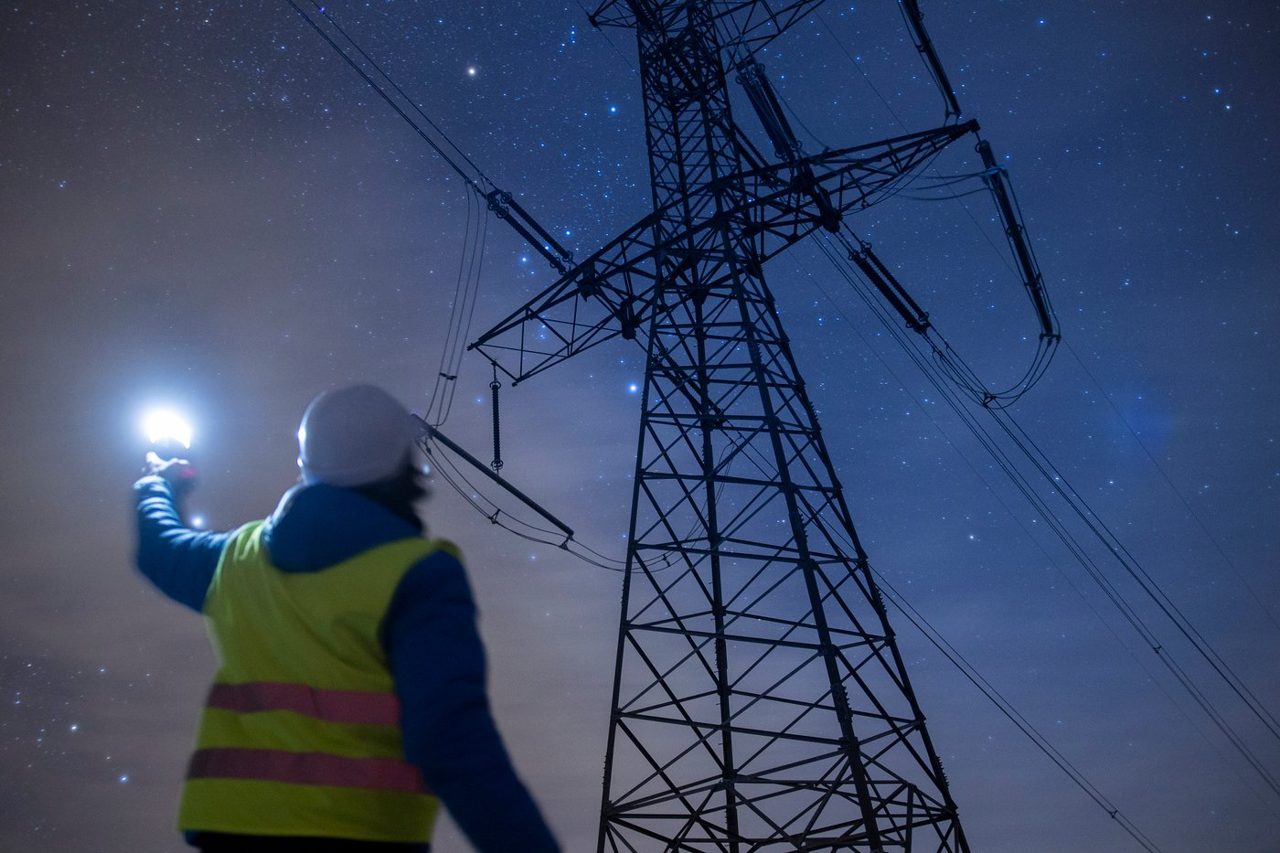
A wave of utility mergers led by NextEra Energy's acquisition of Dominion Energy highlights how artificial intelligence infrastructure needs are straining regulator relationships and pushing consumer arrears to $25 billion.
NextEra Energy has agreed to buy Dominion Energy, marking a major consolidation move in a sector scrambling to finance artificial intelligence infrastructure. The deal follows plans by Black Hills, a Dividend King with a 50-year streak of annual increases, to merge with NorthWestern Energy, a transaction that would nearly double its size. These moves reflect a new reality for power providers: AI-driven electricity demand requires massive capital and scale to navigate growing regulatory friction.
The financial strain on consumers is already visible across the grid. Unpaid utility bills across the U.S. swelled from roughly $15 billion in 2022 to $25 billion by 2025, a period that also saw a rising number of electricity shutoffs. In Virginia, a crucial global hub for data centers operated by companies like Dominion Energy, local electricity prices surged more than 260% over a recent five-year period. As AI facilities consume more grid capacity, traditional utilities are caught between the need to fund expensive infrastructure upgrades and the political reality of soaring residential bills.
This tension is forcing the industry to consolidate for scale. NextEra's purchase of Dominion exposes it directly to the heart of AI demand growth, but it also inherits the heavy burden of convincing regulators to approve the necessary rate hikes. While NextEra traditionally benefits from relatively low base rates and strong regulatory relationships, giving the deal a fairly solid outlook, the broader sector faces a tightrope walk. Size is becoming an increasingly critical asset for raising the vast capital required for grid improvements and successfully negotiating with state authorities.
For investors, the regulatory bottleneck highlights a growing divergence within the power sector. Utilities with significant unregulated businesses can monetize AI demand without relying on rate case approvals. NextEra is a prime example, operating one of the world's largest unregulated contract solar and wind power businesses alongside its regulated grid. This dual structure provides a natural hedge against potential regulatory pushback on consumer electricity rates.
That dynamic suggests the ultimate beneficiaries of the AI power surge may be the sector's outsiders. Constellation Energy operates entirely outside the regulated utility framework, allowing it to capture rising power demand without the political baggage of consumer bill increases. As data center buildouts accelerate, market participants are likely to place a premium on power producers that can sell into soaring demand without needing government permission to raise prices.